
Tea stains come from tannins that bind to ceramic surfaces. These six methods break that bond effectively.
Baking soda paste works for light stains. Denture tablets handle stubborn ones. Prevention is easier than removal, so rinse cups promptly after use.
Why Does Tea Stains Cups
Tea is a relatively light drink. It contains mostly water. It also contains tannic acid, which gives the tea its color.
Tannins are used as an agent for tanning and in ink dyes. It is this dye that rubs against the cup, causing it to stain.
Of course, the stronger the tea, the heavier the stain. So, black teas like English Breakfast are much worse than white teas like White Peony.
How To Remove Tea Stains From Cups?
There are many methods for cleaning tea stains from cups. However, while it is possible to have your cups cleaned by a professional—yes, this service exists—you may not be willing to pay the money. And besides, most people find the thought of handing their cups over to a professional for cleaning utterly ridiculous.
Here are some home remedies that can get the job done:
1. Apply Soap And Water
Good old-fashioned soap and water can still work wonders in removing stains. Dish soap contains powerful chemicals to lift stains. You should put that power to good use.
To remove the stain, you will need to soak the inside of your cup in dishwater. Then, all you need do is squirt a little soap into the teacup, add enough warm water to cover the stain, swish the mixture around, and let the cup sit for a few minutes. This will allow the dish soap to penetrate and dissolve the stain.
Once the soap has sat for the required time, you should scrub the stain with a sponge. This method is ideal for lighter tea stains or for stains that have only recently formed.
If your fine china has is stained, make sure you use a soft sponge. Abrasive scrubbers can scratch the surface and damage your cup.
2. Use Baking Soda
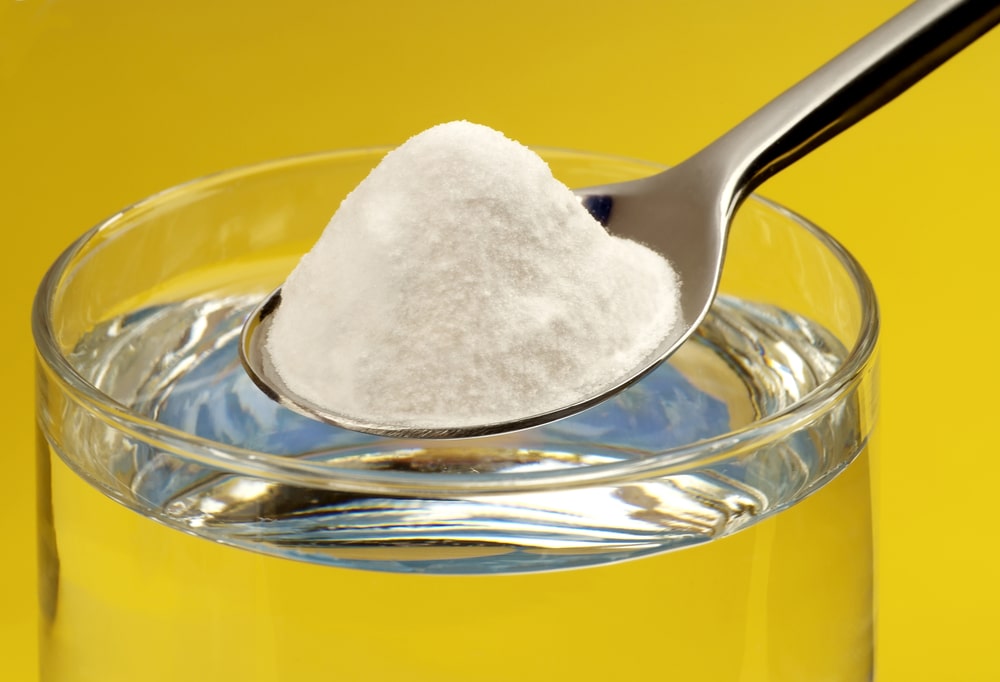
A dish soap soak does not always work—especially if the stain has been in the cup for a while. If this is the case, then you should turn to baking soda.
To use this method, sprinkle 1 tsp of baking soda on the stain and add a little water to make a paste. Then scrub the stain with a damp and soft sponge. The baking soda will help lift the tea stain from the surface of your cup.
Once you have finished scrubbing, rinse the mug thoroughly to remove all the baking soda.
3. Use A Vinegar Scrub

If the above methods have failed, you can turn to vinegar. To do so, you must fill your cup halfway with distilled vinegar. Then fill the rest of your cup with very hot but not boiling water.
Allow the mixture to sit for 10 minutes. This will give the vinegar time to soak into the stain and lift the stain from the dish.
You will then need to scrub away the stains using dish soap and a soft sponge. After you have completed this process, rinse out the cup thoroughly.
4. Purchase The Right Cleaning Tools
If your cups are long and skinny and your hands are large, you will not be able to scrub the stain out manually. Instead, you will need to purchase a bottle brush. Make sure you buy one that reaches the bottom of your cup.
Don’t look down your nose at baby bottle brushes. They often come with a small scrubber designed to get into nooks and crannies.
5. Try Denture Tablets
Denture tablets are designed to keep dentures clean. But, did you know you can use them to do the same thing for cups and mugs?
Follow the instructions on the package, and make sure you use enough water to cover the stain. And, as always, don’t forget to scrub and rinse thoroughly.
6. Wash Cups Early And Often
If you are serious about preserving and protecting your teacups, then you should wash them out immediately after each serving of tea. Rinsing will remove the drops of tea in your cup, and once these drops are gone, there will be nothing left to form a stain.
Before applying any of the methods described above, make sure you know what your cups are made of and the amount of TLC they require. Also, make sure you always follow the artisan’s or manufacturer’s guidelines.
Like this? Learn how to clean a coffee pot.
The Bottom Line
Here’s the practical takeaway after researching and testing this extensively:
Theory is great, but real-world application is messier. We’ve found that understanding the ‘why’ behind coffee science helps you troubleshoot when things go wrong—and they will. Your water, your beans, your grinder, and even humidity levels create variables that no guide can perfectly account for.
Start with the fundamentals in this article, but don’t be afraid to experiment. Some of our best cups have come from “mistakes” that turned into happy accidents. Coffee brewing rewards curiosity.