
These seven alternatives sweeten coffee without the blood sugar spike of regular sugar.
From stevia to monk fruit to erythritol, each has different taste profiles and aftertastes. We help you find one that works for your palate.
1. Honey

The first time I heard of honey in coffee, I had my doubts. But after the first two sips, I decided to ask my mom for another cup.
The best honey you want to go for must be organic. Some “fake” honey has lots of sugar. Honey has a rich, concentrated texture, and that’s why you don’t have to worry about it ruining the consistency and quality of your coffee.
I suggest one teaspoon of organic honey for an average cup of coffee. Don’t overdo it; otherwise, it’s going to out-mask the flavor of your coffee and ruin the drink. You might also be interested in our guide on the best sweetener for coffee.
2. Stevia
You can buy stevia in a small bottle and add a few drops into your coffee. Alternatively, you can get them in bags and give half a tablespoon of stevia into your cup of Joe before stirring. Organic stevia is a zero-calorie sweetener, alcohol-free, gluten-free, and non-GMO.
The cardiotonic properties in stevia help stabilize blood pressure and control weight gain. However, overconsumption of stevia products that contain sugar alcohol may cause nausea, abdominal cramps, and diarrhea.
Only use a limited amount of stevia in your coffee; stevia is 200 times sweeter than table sugar, so you’ve been warned.
3. Coconut Sugar Or Coconut Liquid Flower Nectar
Plant-based and naturally sweet, coconut sugar is another stellar substitute for refined sugar in coffee. Many brands sell dried and crystallized coconut palm in the market that you can buy in bags. Other than that, you can also get liquid flower nectar extracted by boiling coconut sap and water.
The latter product is a tad more expensive and harder to find. Both are nutrient-rich with a smooth, creamy texture.
The only downside to coconut sweetener is the number of calories; there are about 18 calories in one teaspoon of coconut sugar with five grams of carbs. Coconut sugar is a healthy product that aids digestion, normalizes blood sugar, and regulates heartbeat.
You might also be interested in learning what is microdosing caffeine.
4. Cinnamon Ground

I know cinnamon is not downright an equivalent to the sugar in coffee. But if you know how to make it right, your coffee will taste a lot sweeter with an elegant aroma without adding any sugar.
I like to add a quarter teaspoon of cinnamon ground on the coffee surface before brewing. This brewing method will blend a sweet and woody flavor of cinnamon into the bitterness of coffee and leave a subtle citrusy note and a spicy kick in the aftertaste.
One of the most outstanding health benefits of cinnamon is that it helps regulate the insulin level. Plus, cinnamon reduces the feeling of hunger throughout the day and is rich in antioxidants.
5. Organic Cacao Powder
Note that many cacao powder products out there are not organic. They add an insane amount of artificial sweetener into the powder to enhance its initial sweetness, which keeps you buying more. But at the end of the day, those redundant and unhealthy additives only make things worse.
Organic cacao powder is recognized for its smooth, sweet taste and cozy bitterness. I like to use one tablespoon of cacao powder and mix it with freshly ground coffee before the brew. Add a dash of plant-based milk into the drink and enjoy it to make it even creamier.
6. Nutmeg Powder
Sounds odd? I know. But if you haven’t tried it with coffee before, do it now.
This mild, tasty pick-me-up lends a hint of earthiness and a slightly sweet smell to your morning coffee fix. The way nutmeg powder enhances the coffee flavor is not exactly similar to how sugar does with its sweetness. Nutmeg powder gives you a spicy-sweet tang.
Nutmeg is rich in vitamin compounds and anti-inflammatory properties to relieve pain, treat digestive disorders, and regulate blood pressure.
The preparation of nutmeg coffee is fast and straightforward. Add a quarter teaspoon of nutmeg powder into your ready-brewed coffee, stir the mixture consistently to ensure no clumps are left behind, add a dash of your favorite milk, and enjoy.
7. Vanilla Extract
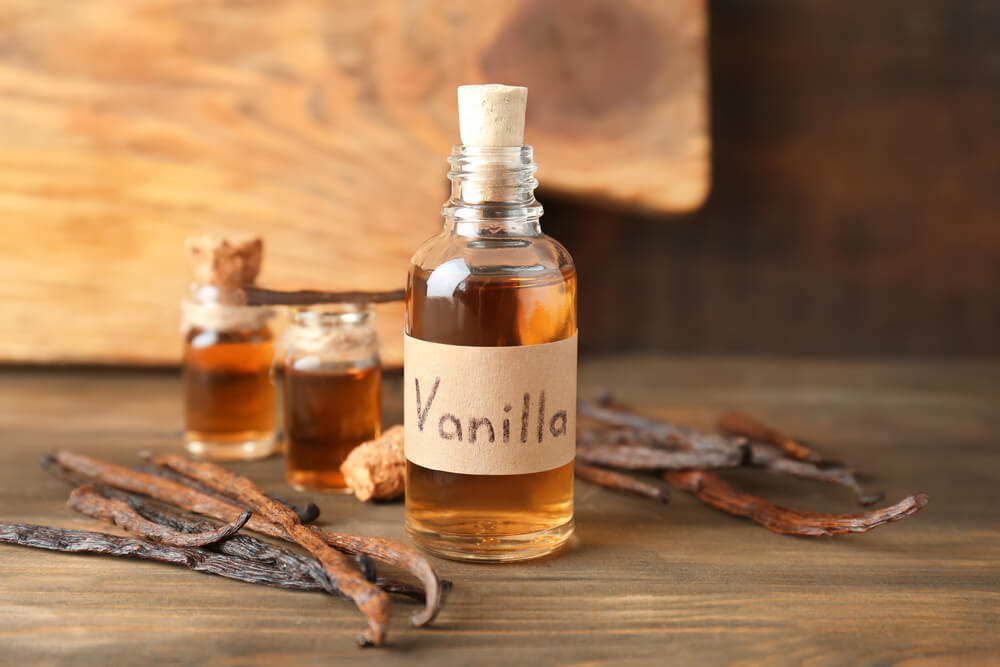
If you’re a home baker like me, there’s no reason to leave your beloved vanilla extract to waste. Not many people think of vanilla extract as the best alternative to sugar in coffee. It doesn’t only add an extra amount of sweetness to my cup of Joe but also enhances the overall tasting profile and aroma with a rich, mouthful, and full-bodied texture.
You need to add two drops of vanilla extract into your black coffee, stir it up, and you’re ready to go. Please don’t exceed this amount; otherwise, the drink ends up with an annoying bitterness.
How We Tested
Our team actually purchased and used every product on this list—no sponsored placements or affiliate-driven rankings here.
We evaluated each option over at least two weeks of daily use. First impressions matter, but so does how something holds up after the novelty wears off. Some products that wowed us initially became frustrating after a month. Others grew on us.
Price-to-quality ratio factored heavily into our rankings. The most expensive option isn’t always the best, and we’ve been genuinely impressed by some budget picks that punch well above their weight class.