
White filters are bleached, brown are natural. The taste difference is minimal with proper rinsing.
Rinse either type with hot water before brewing to remove paper taste. Environmental impact is the main reason to choose one over the other.
A Brief Overview Of White And Brown Coffee Filters
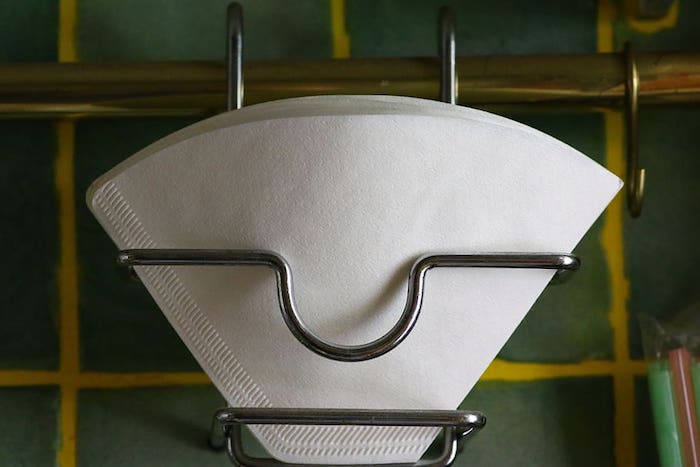
In general, paper filters are the most popular and widely used of all coffee filters, especially the white ones. This is because they are cheap and also do their job well. Since paper filters are tightly woven and super absorbent, they soak up most of the coffee oils and sediment, leaving you with a crispy clear cup of coffee.
So, apart from color, what’s the difference between white and brown coffee filters? Well, white filters have been bleached, either with chlorine or through the process of oxygen bleaching. Brown filters, on the other hand, are unbleached and, therefore, more natural. If you like this post, you might be interested in our guide on bamboo filters vs. paper coffee filters and our guide on the best coffee filters for coffee lovers.
What Do White Or Brown Coffee Filters Have In Common?
Both white and brown coffee filters are made from paper and are effective at filtering out most of the coffee oils and sediment. Both types of filters can also be put in the compost.
White Vs. Brown Coffee Filters: The Differences
| White Coffee Filters | Brown Coffee Filters |
| The production of white filters, especially those chemically bleached, is bad for the environment. | Since there are no chemical processes involved in producing brown filters, it is a more eco-friendly choice. |
| White filters don’t impart a papery taste to brews. | Some say that brown filters leave a papery taste behind in a brew. |
| They are cheap and readily available. | Since fewer consumers buy brown coffee filters, they are more expensive and not as readily available. |
| White coffee filters are whitened in two ways: chlorine bleaching and oxygen bleaching. | Brown filters are not bleached. Watch out for cheap products, though, that have been bleached and then colored brown. |
What’s Better About White Coffee Filters?
White coffee filters are cheap and easy to come by. They also leave absolutely no papery aftertaste in a brew. In addition, they are entirely safe to use.
If you opt for filters that have been whitened through oxygen bleaching, you can have the peace of mind that they are free of chlorine. The production of this type of white filter is also better for the environment.
What’s Better About Brown Coffee Filters?

The production of brown filters requires less processing time and involves no chemical processes. This means that they are the more eco-friendly choice. If you’re scared that they may impart a papery taste to your coffee, you simply need to rinse them before use and you will notice no off-flavors in your brews.
Who Should Get White Coffee Filters (And Why)?
If you prioritize convenience and price, then white coffee filters are for you. Apart from being cheap, they are readily available.
Check out these uses for coffee filters around the house.
Who Should Get Brown Coffee Filters (And Why)?
If you feel strongly about making more eco-friendly and responsible choices for the products you buy, brown coffee filters are a better option. You can easily compost brown coffee filters.
Our Testing Notes
We’ve tested this brewing method extensively in our coffee lab, and here’s what the data doesn’t always tell you:
Water temperature matters more than most guides suggest. We found that 200-205°F consistently produced better extraction than the often-recommended 195°F. The difference was especially noticeable with lighter roasts—underheat them and you get sour, underwhelming coffee that wastes good beans.
The grind size recommendations online are a starting point, not gospel. Your specific grinder, beans, and even altitude affect optimal grind. We keep a brewing journal and adjust by one click finer or coarser until dialing in a new bag. Takes about 3 brews to nail it.