
A ristretto is a short espresso shot pulled with half the water, which makes it more concentrated and — counterintuitively — less bitter than regular espresso.
Three months I spent thinking ristretto was just a small espresso. Like a size on the menu. Ordered one at a specialty café. Barista gave me this look — the look you give someone who has made an obvious mistake. He explained patiently. I nodded along. Still didn’t understand until I tried one next to a regular shot. The difference was dramatic. And backwards from what I expected.
History Of The Ristretto Shot
Italy gave us espresso. Italy gave us ristretto. Angelo Moriondo patented a steam brewer in 1884. Luigi Bezzera refined it into the first real espresso machine in the early 1900s. When exactly baristas started pulling shorter shots isn’t clear — ristretto evolved through experimentation, not a single invention moment.
David Schomer at Espresso Vivace in Seattle is widely credited with bringing ristretto into American coffee culture in the 1980s. Schomer was obsessive about extraction in ways that weren’t common then. His influence on how American specialty coffee thinks about shots is significant enough that you can trace a line from his early work to what serious coffee shops do today.
Today you’ll find ristretto at Starbucks, though fair warning: ask for one and most baristas default to a double shot. Not the same. Be specific. Nespresso also makes dedicated ristretto pods if you want the flavor without learning a new technique. Worth checking if your Nespresso pods expire before stocking up in bulk.
What About An Espresso?
All ristretto is espresso. Not all espresso is ristretto. The word means “restricted” — restricted water, restricted extraction, smaller yield. Same coffee dose as a standard shot, but you stop at 15-20ml instead of 30ml.
What you get in that first half of extraction is mostly the sweet, fruity, aromatic compounds. Bitter stuff comes later in the pull. Stop early and the bitterness never develops. That’s why ristretto is more concentrated but less harsh than regular espresso — you’re getting a highly compressed version of the early-extraction flavors. See our full Ristretto vs Espresso comparison.
Both require an espresso machine. No substitutes work properly. Espresso and ristretto need pressure — hot water forced through tightly compacted grounds at 9 bars. French press and pour-over produce different things. Good things, but not this.
Is A Double Ristretto The Same As Espresso?
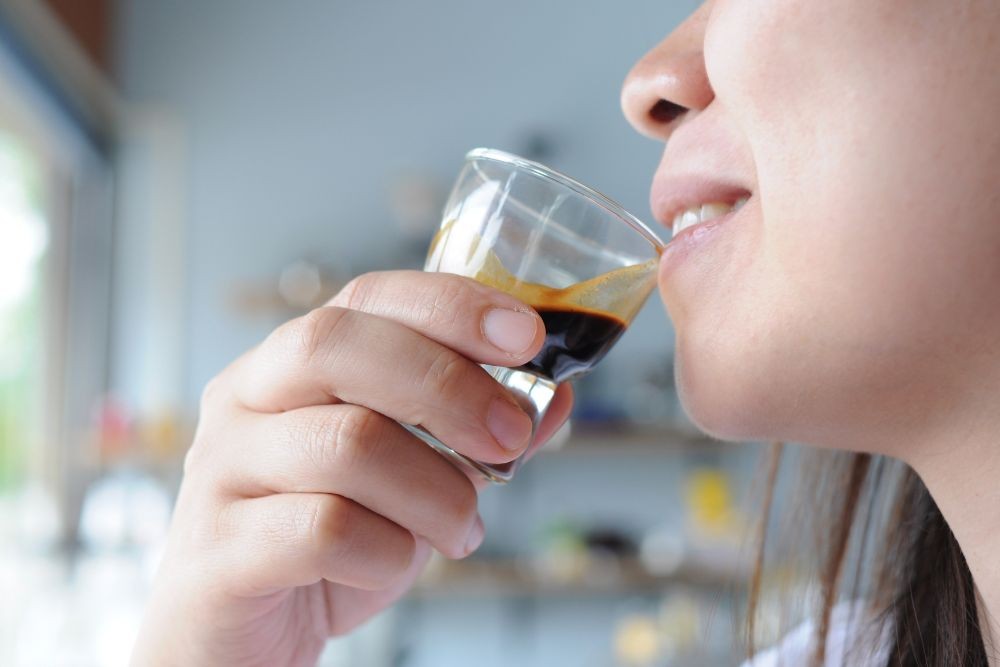
Volume-wise, yes — a double ristretto and a single espresso come out to similar liquid volume. Taste-wise, completely different. A double ristretto is dramatically more intense. Twice the coffee mass extracted into the same volume of water. Almost syrupy. Some people love it; some find it overwhelming. I’d call it espresso turned up to eleven.
On caffeine: a single ristretto has slightly less caffeine than a single espresso because caffeine extraction continues throughout the pull and you stopped it early. Double the shots, a double ristretto overtakes a single espresso on caffeine. Maximum caffeine? Double regular espresso beats both. But choosing between these drinks based on caffeine math is backwards — the taste differences are dramatic enough to drive the choice on their own.
How To Brew Ristretto
You need an espresso machine. No real workaround. On a manual lever machine, pull a short shot — same motion, stop earlier. On a programmable machine, dial in water volume to 15-20ml.
The part most people miss: grind finer than your normal espresso setting. This matters. A finer grind slows water flow through the puck, giving the extraction enough contact time to develop properly even though you’re stopping early. Use your regular grind and stop the shot short, you get something thin and underdeveloped. Grind adjustment is the whole trick.
Without a machine: AeroPress or Moka pot gets you in the right direction. Grind as fine as possible, use about half the normal water, extract quickly. Won’t be technically ristretto — no 9 bars of pressure — but the flavor shifts toward sweeter and more concentrated. Good enough to figure out whether you like the profile before buying equipment.
Roast: dark or medium, same as regular espresso. Light roasts tend to go sour under short extraction — the bright acids in a light roast need more water contact time to balance. Stick with darker roasts until you’ve got the technique down.
How To Serve Ristretto
Traditionally: small demitasse cup, straight, nothing added. That’s the honest way to taste what you’re working with. Add cream and sugar and you’ve hidden exactly what makes ristretto worth trying. At least try it plain once.
That said — ristretto in milk drinks is genuinely excellent. A flat white with ristretto shots instead of standard espresso is sweeter and more rounded. Many specialty cafés now default to ristretto for flat whites specifically because of that. If your regular flat white has ever tasted slightly harsh, ask for ristretto shots and compare. It’s a different drink.
Ristretto Vs. Lungo
Lungo is the mirror image. Same coffee, twice the water, longer pull. “Lungo” is Italian for long. More bitter, more caffeine, larger volume. Usually served straight as a strong black coffee — the flavor profile doesn’t work as well with milk. Everything ristretto avoids, lungo amplifies.
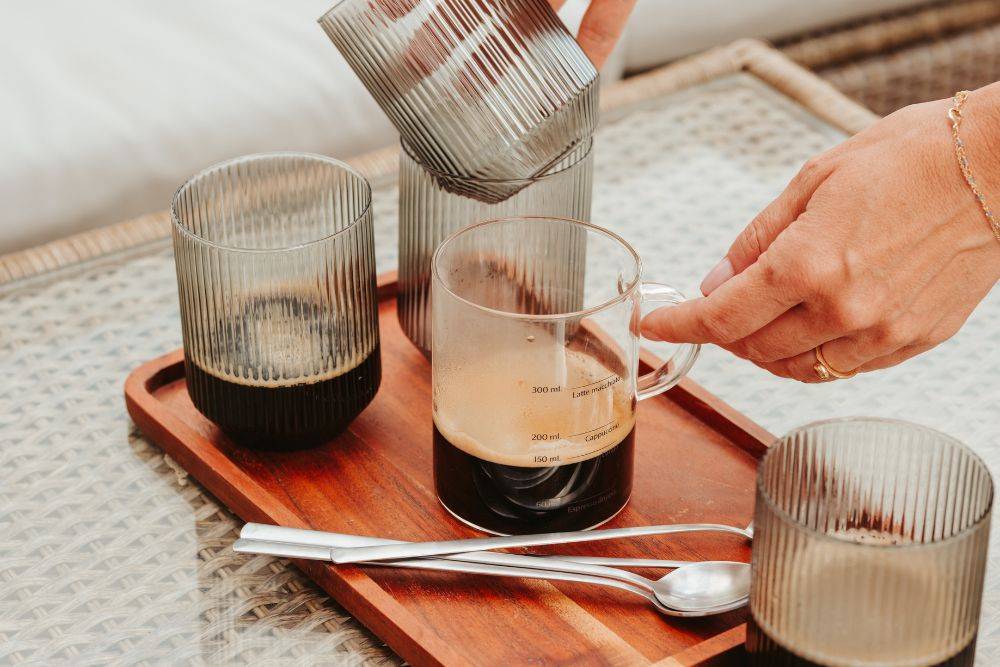
The full spectrum, simplified: ristretto (sweetest, shortest, least bitter) → espresso (balanced) → lungo (most bitter, most caffeine, longest). Knowing where you land on that scale makes ordering coffee a lot easier. Our guide on types of espresso drinks covers the full picture.
FAQ About What Is A Ristretto
What is the difference between a ristretto shot and a regular shot?
A ristretto shot and a regular shot are both espresso shots, but the difference lies in the amount of water used and the extraction time. A ristretto shot uses the same amount of coffee grounds as a regular shot but is extracted with half the amount of water in the same amount of time. This results in a more concentrated and intense flavor with less bitterness.
A regular shot, on the other hand, uses more water and is extracted for a longer period, resulting in a milder and more balanced flavor. I find the differences is also a personal preference and the desired taste profile.
Should You Order Ristretto?
If bitterness is your issue with espresso, ristretto is worth ordering. The shorter extraction cuts off before bitter compounds develop. If espresso just feels too strong overall, ristretto won’t help — it’s more concentrated, not less. Know which problem you’re actually solving.
Best entry point: try it in a milk drink before going straight. A flat white with ristretto shots is an easier introduction than a straight shot, and the taste difference will tell you right away if the profile works for you. From there, working toward a straight ristretto makes sense. Going in cold without knowing what to expect is a harder sell — even for people who end up loving it.