
Strong coffee comes from higher coffee-to-water ratios, not longer brewing or darker roasts.
Strong coffee has gotten complicated with all the conflicting advice flying around. As someone who’s experimented with every brewing method I could get my hands on, I learned what actually moves the needle on strength. Today, I’ll walk you through the whole process — because there’s more to it than just scooping in extra grounds.
Step 1: Consider Caffeine and Strength
Before anything else, think about what “strong” actually means to you. Are you after a raw caffeine hit, or do you want that full-body flavor experience? Those aren’t the same goal, and chasing the wrong one leads to disappointment. Making a strong cup of coffee starts with being honest about what you actually want from it.
Here’s something that tripped me up for a long time: drip brew coffee contains the most caffeine overall, but espresso and French press deliver the most robust flavor. They’re not the same thing.
The most reliable way to adjust strength in either direction is by changing the ratio of ground coffee to water. Everything else is fine-tuning.
My personal favorite for maximum impact: slow-drip coffee with a couple of espresso shots mixed in. It sounds indulgent, but it delivers on both flavor depth and caffeine content. I started doing this during a deadline stretch and never looked back.
Step 2: Choose Your Coffee Beans
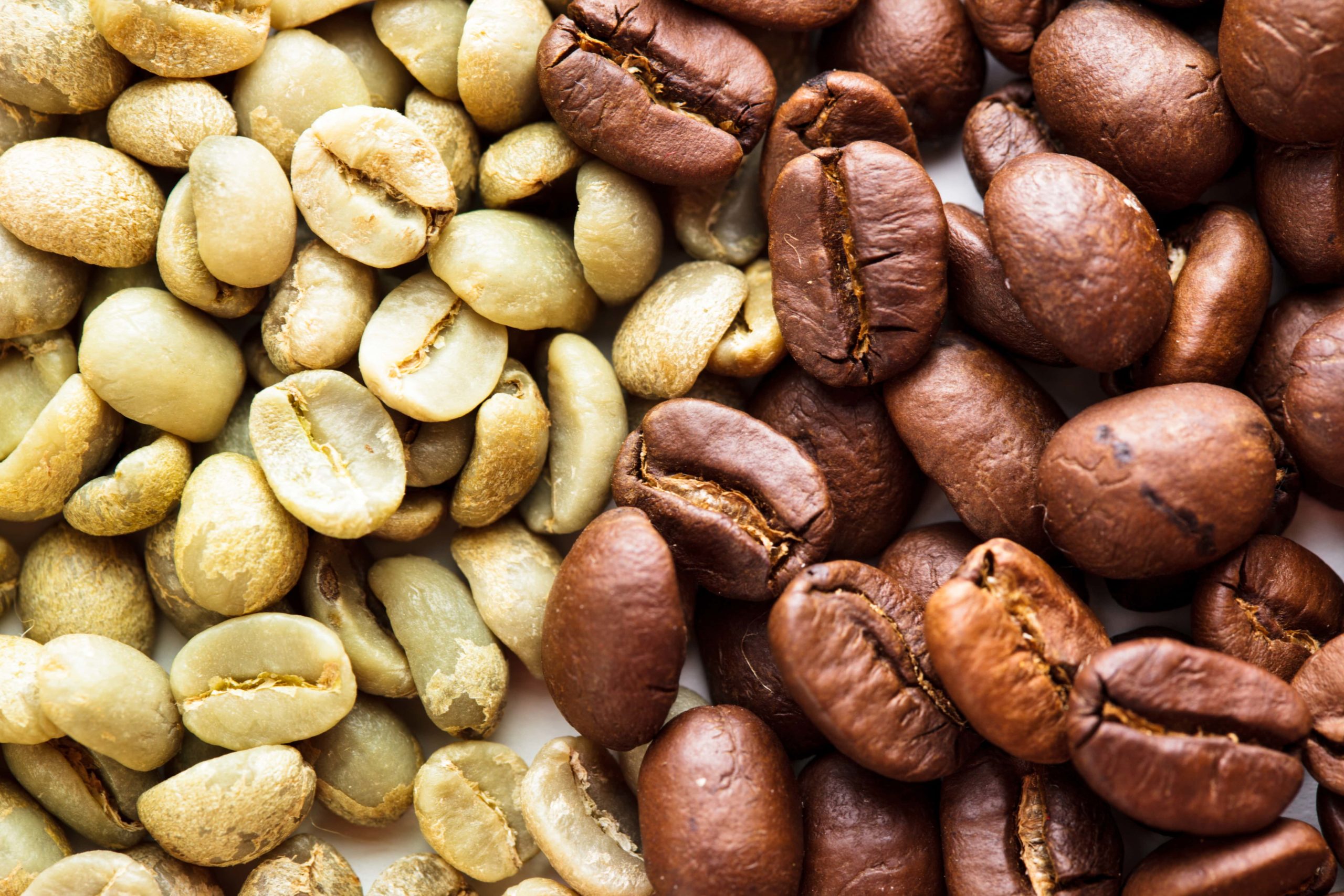
Bean selection matters more than most people give it credit for. When you’re making a strong cup, the wrong bean can undercut everything else you do right. Here are the four main varieties worth knowing:
- Robusta beans are bitter and rugged, with a higher caffeine content and a longer harvest season. They’re less delicate and less expensive, which makes them practical for high-volume brewing.
- Excelsa is genuinely unusual — it manages to deliver a dark flavor while remaining a light roast. It’s a real hodgepodge of tasting notes, which is why you typically see it used as a blending component rather than a standalone.
- Liberica, which is almost an urban legend in coffee circles. Very few people have actually tried it. It’s native to Liberia in central Africa, and its woodsy flavor is unlike anything else. Significantly few producers grow it, so it’s genuinely hard to find.
Some who’ve tried Liberica report it doesn’t taste like coffee at all — which, honestly, sounds kind of fascinating.
- Arabica is the workhorse of American coffee culture. Chocolaty notes, smooth finish, slight sweetness underneath — it’s what you’re probably drinking right now without realizing it. It makes up the majority of what’s sold in grocery stores across the country.
Step 3: Roasting Beans (Optional)
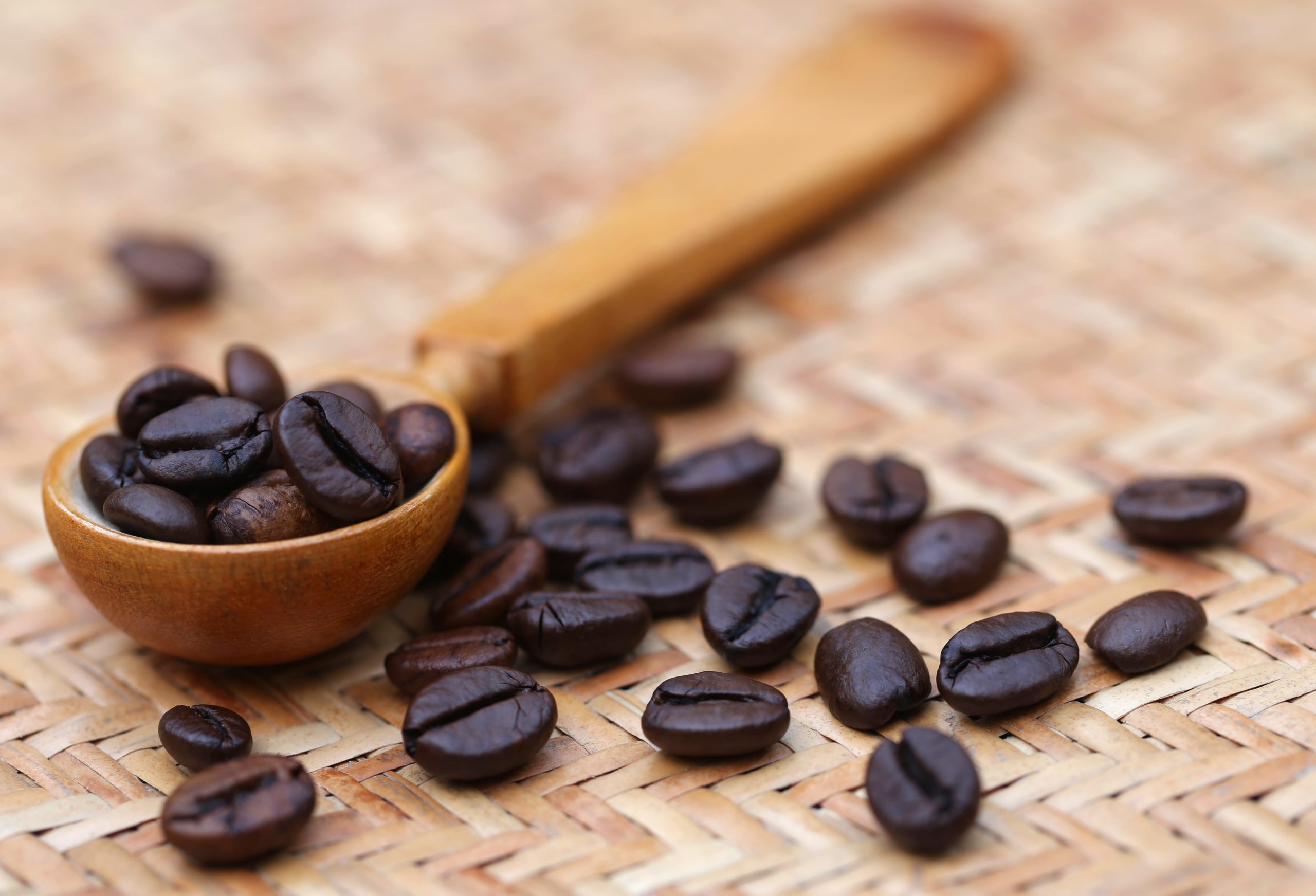
Roasting is where the transformation happens. Heat triggers a chemical change that draws out flavor compounds and fundamentally alters both the taste and caffeine profile of the bean.
Dark roasts develop a single-note, bold flavor and lose density during the process. Light roasts stay less bitter with a wider, more complex flavor range. If you’re into DIY and want to try roasting at home, the equipment is more accessible than you’d think — there are solid countertop roasters worth exploring.
Step 4: Grind Your Beans
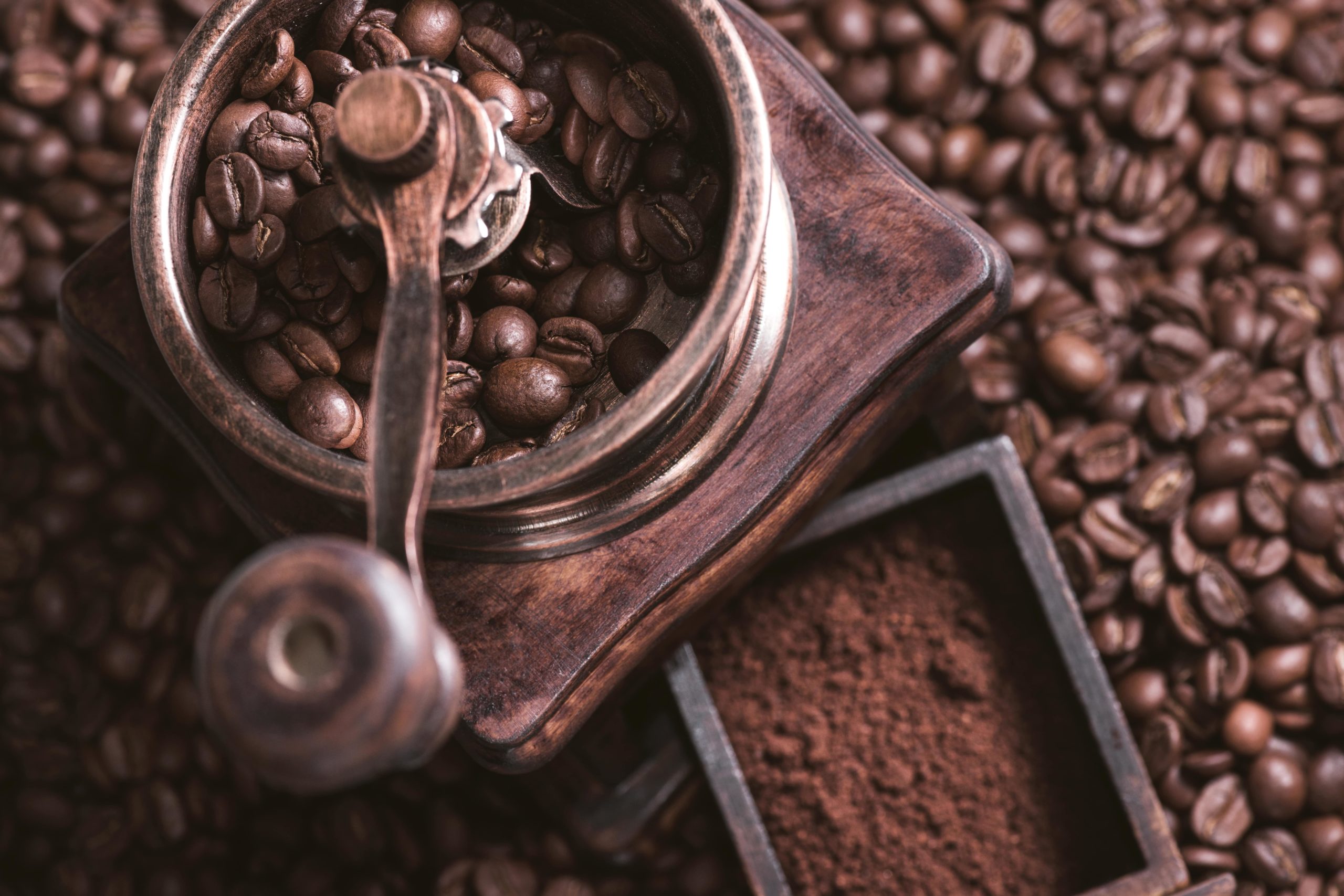
Grinding fresh immediately before brewing is the single biggest quality upgrade most people can make. Seriously — pre-ground coffee sitting in a bag for weeks is already losing the aromatic compounds you want in your cup. The strongest coffee starts with freshly ground beans.
A burr grinder gives you real control over grind consistency — something the basic blade grinders at most stores just can’t match. Each brewing method has its preferred grind size, and getting that wrong affects the whole cup.
Step 5: Choose a Brewing Method
This is where personal preference really comes in. There’s no single “strongest” brewing method — it depends on what you mean by strong, your budget, and how much time you want to spend.
The Pour-Over Method
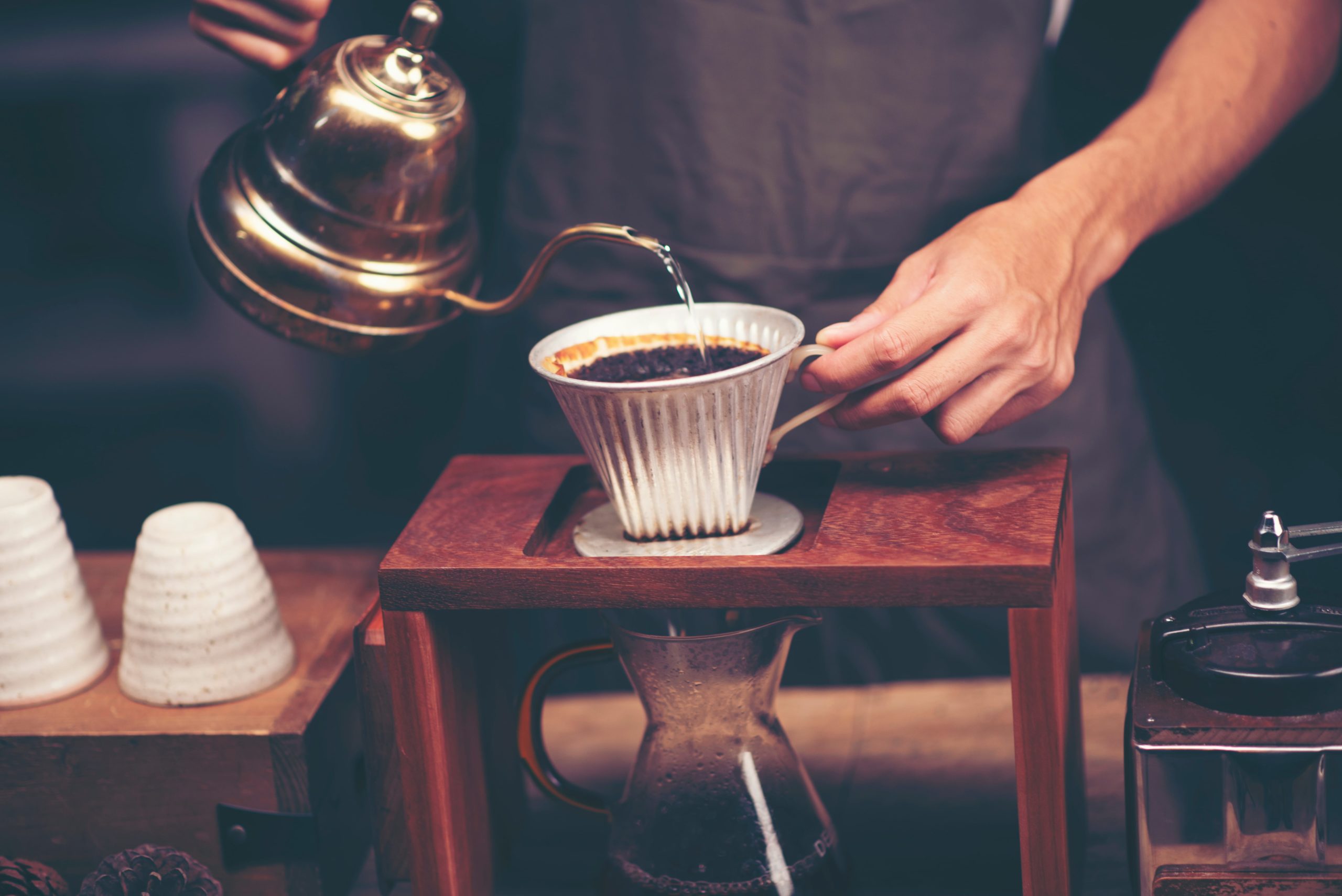
Place a filter on your dripper, and for a strong cup, go with 4 to 5 tablespoons of coarsely ground beans and water around 200°F. A Chemex is my preference here — the thick filter catches more of the bitter compounds and produces an incredibly clean, strong cup. Worth the investment if you haven’t tried one.
Aeropress
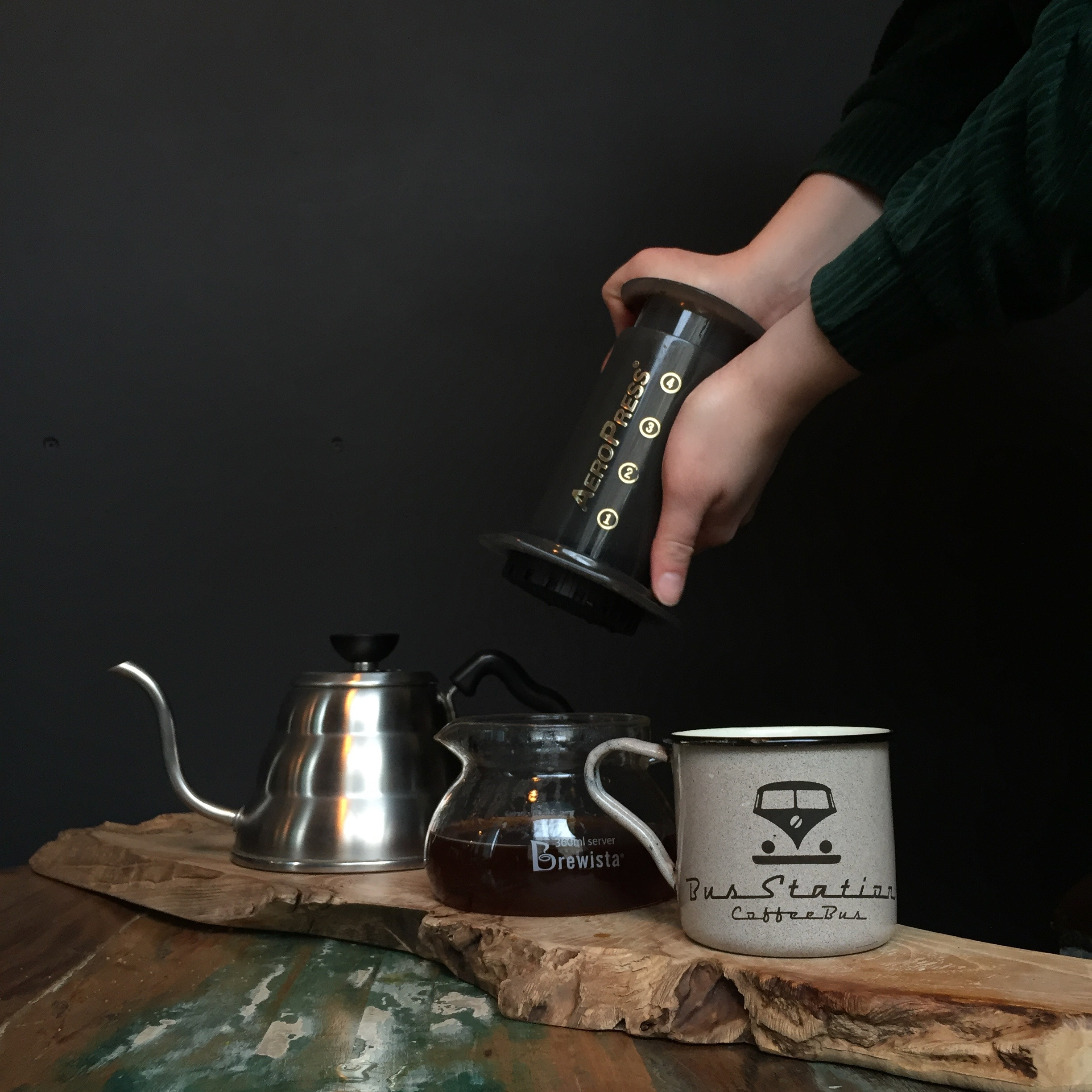
The Aeropress works by pushing pressurized water through the grounds using an airtight cylinder. Grind to a medium-fine consistency, lock in a paper filter, load the grounds, and fill with 200°F water almost to the top. Let it steep for a minute or two before plunging. It’s fast, portable, and makes a genuinely excellent strong cup with minimal cleanup.
Cold Brew Coffee
Cold brew is a slow game — extra coarse grounds steep in cold water for up to 12 hours in the fridge. The payoff is a concentrated, smooth coffee with almost no bitterness. A reliable starting ratio is 1 cup of grounds to 4 cups of water, but dial it up or down based on what you like.
You can also serve cold brew warm if you want. Adding espresso shots on top cranks up both the caffeine and the intensity. It sounds excessive, but if you’re going for strong, this is the way.
Siphon Method
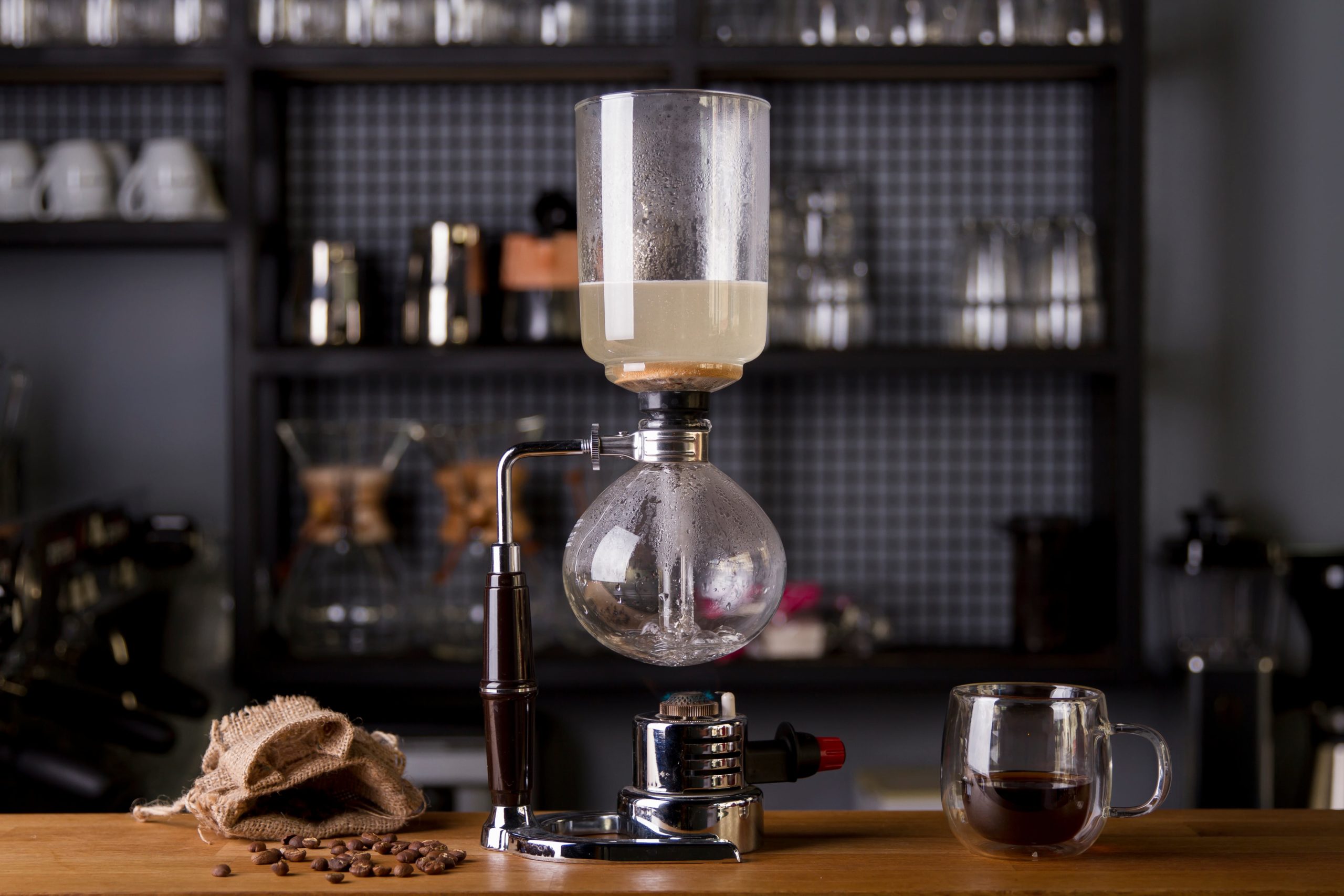
The siphon — sometimes called a vac pot — looks like a prop from a chemistry lab, and watching it work is half the fun. A vacuum extraction uses heat and gravity to force water upward through the grounds, then back down as it cools. Use medium grounds and get the water temperature just under a boil. The result is clean, strong, and theatrical. Great for impressing people on weekend mornings.
French Press
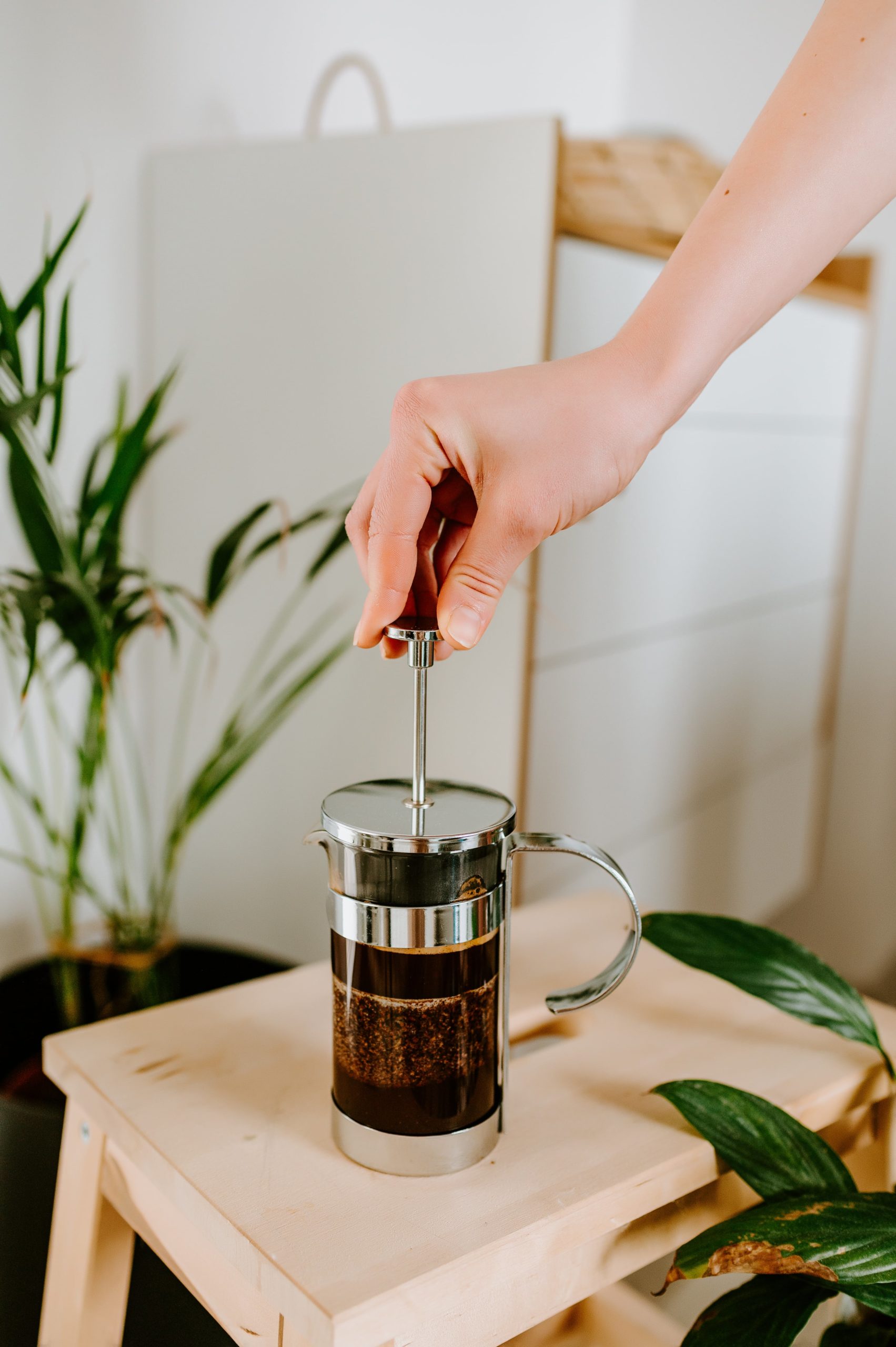
A French press is my go-to for camping and travel — it requires no electricity and follows you anywhere. The coarse grounds steep in boiling water inside the beaker, and then a metal plunger separates them when you’re ready to pour. No paper filter means more oils make it into the cup, which is part of what makes it so rich.
For a French press with that classic dark, slightly smoky quality, leave it for four full minutes with boiling water. The French roast style — where beans are pushed to the edge of burnt — works particularly well here. Once you try it that way, the style suddenly makes sense.
Espresso
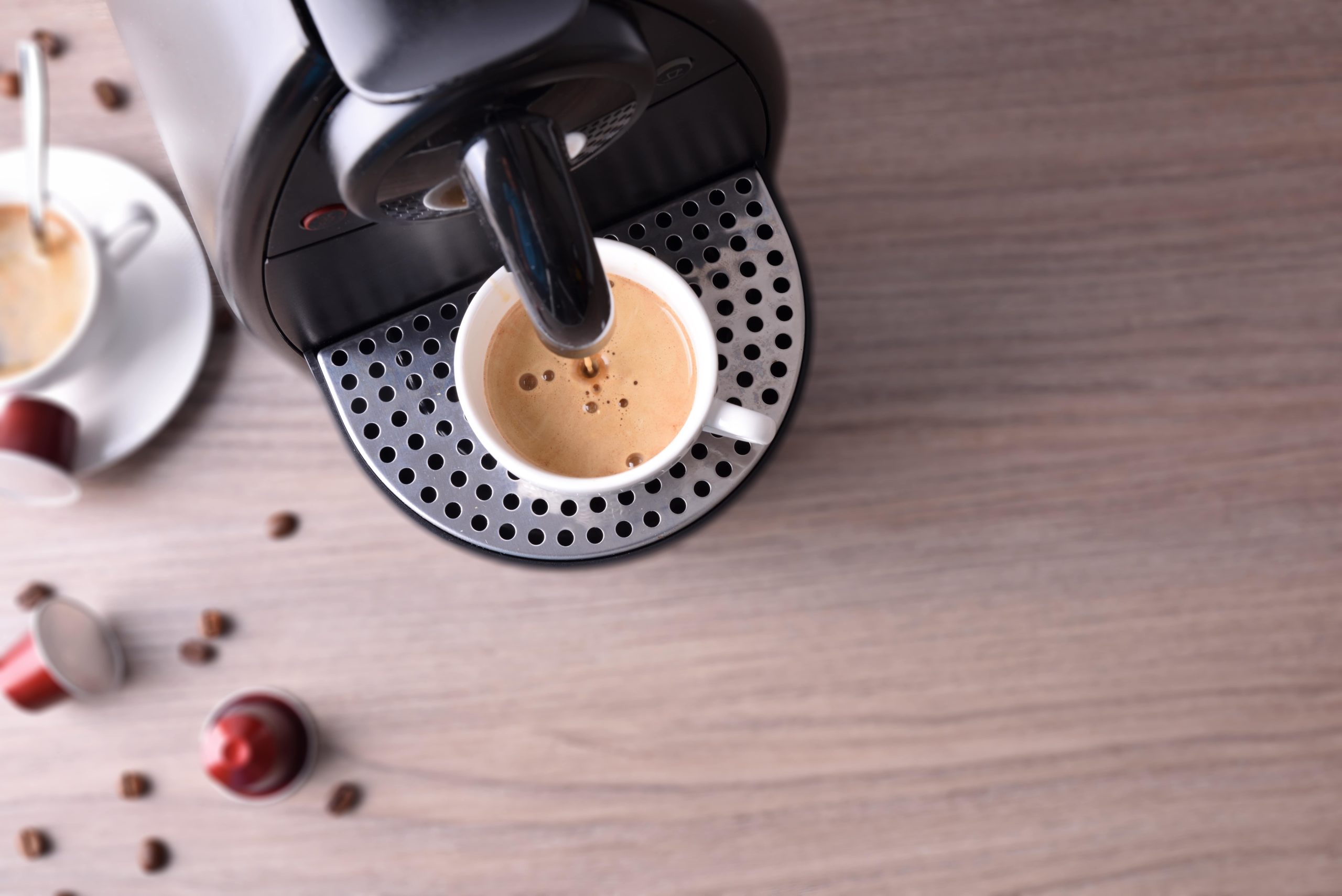
Espresso machines carry a real price tag — that part is just true. But the people who own them tend to be the most evangelical about their coffee setup, and I understand why. A good espresso machine changes your morning routine in ways that are hard to explain until you’ve lived with one.
For strong espresso at home, grind dark roast or dedicated espresso beans very fine and press a double dose into the portafilter. Two shots — 2 ounces — is the standard strong serving. Water forced through the grounds at 195–205°F under pressure creates a concentrated extraction unlike anything else. The steam wand attachment lets you froth milk for lattes without burning it — keep it under 149°F and you’re in good shape.
No espresso machine? A stovetop moka pot gets you surprisingly close at a fraction of the cost. Definitely worth trying before you invest in full equipment. And if you’re troubleshooting weak results, check out why your coffee tastes like water.
Additional Tips for Making Strong Coffee
Water quality matters more than most guides admit. Minerals in tap water can amplify flavor and richness — in a good way, when the mineral content is balanced. If your tap water tastes off or you’re in a hard water area, filtered water will make a noticeable difference. Hard water can push bitterness into even a well-brewed cup.
Regular cleaning of your equipment is one of those things that sounds obvious but gets skipped constantly. Old sediment and oils build up inside grinders and brewers and start influencing the flavor of every cup. A simple vinegar rinse goes a long way. Coffee grounds build up in grinders specifically, and clearing that out regularly keeps the machine running at its best.
Coffee Storage
An airtight, opaque container is the right move. Light breaks down the compounds that give coffee its flavor, so any container you can see through is already costing you quality. Freezing beans can extend their life but also introduces the risk of freezer burn, which changes the flavor in ways you generally won’t like. Unless you’re storing beans for months, room temperature in a sealed container is the way to go.
Coffee Filters
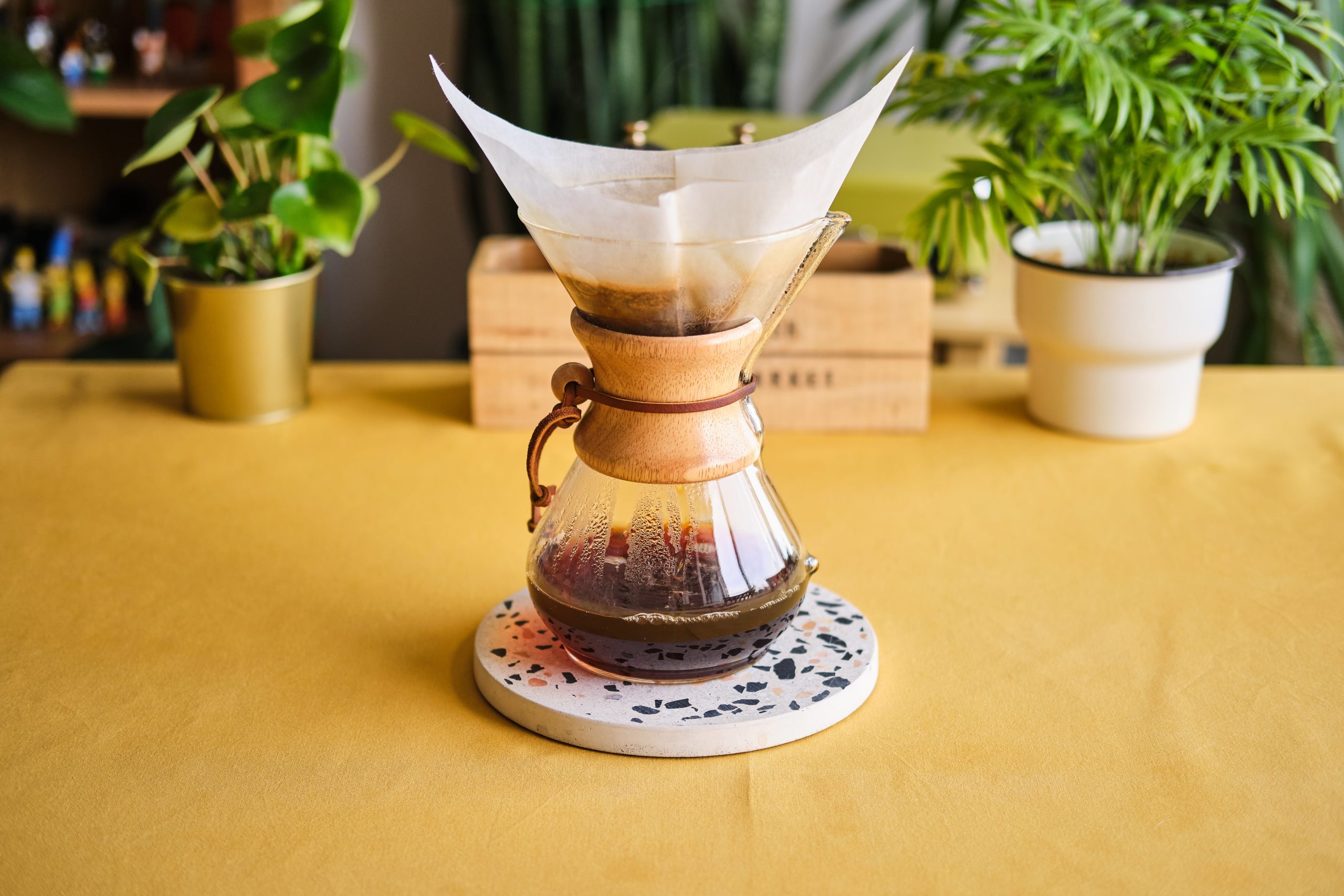
Research suggests filtered coffee is better for cardiovascular health without affecting flavor meaningfully. The brown unbleached filters are just as effective as white ones and generate a bit less waste. If you use a lot of filters, reusable metal ones are worth the investment — they pay for themselves quickly and work just as well.
The Final Step: Becoming a Coffee Connoisseur
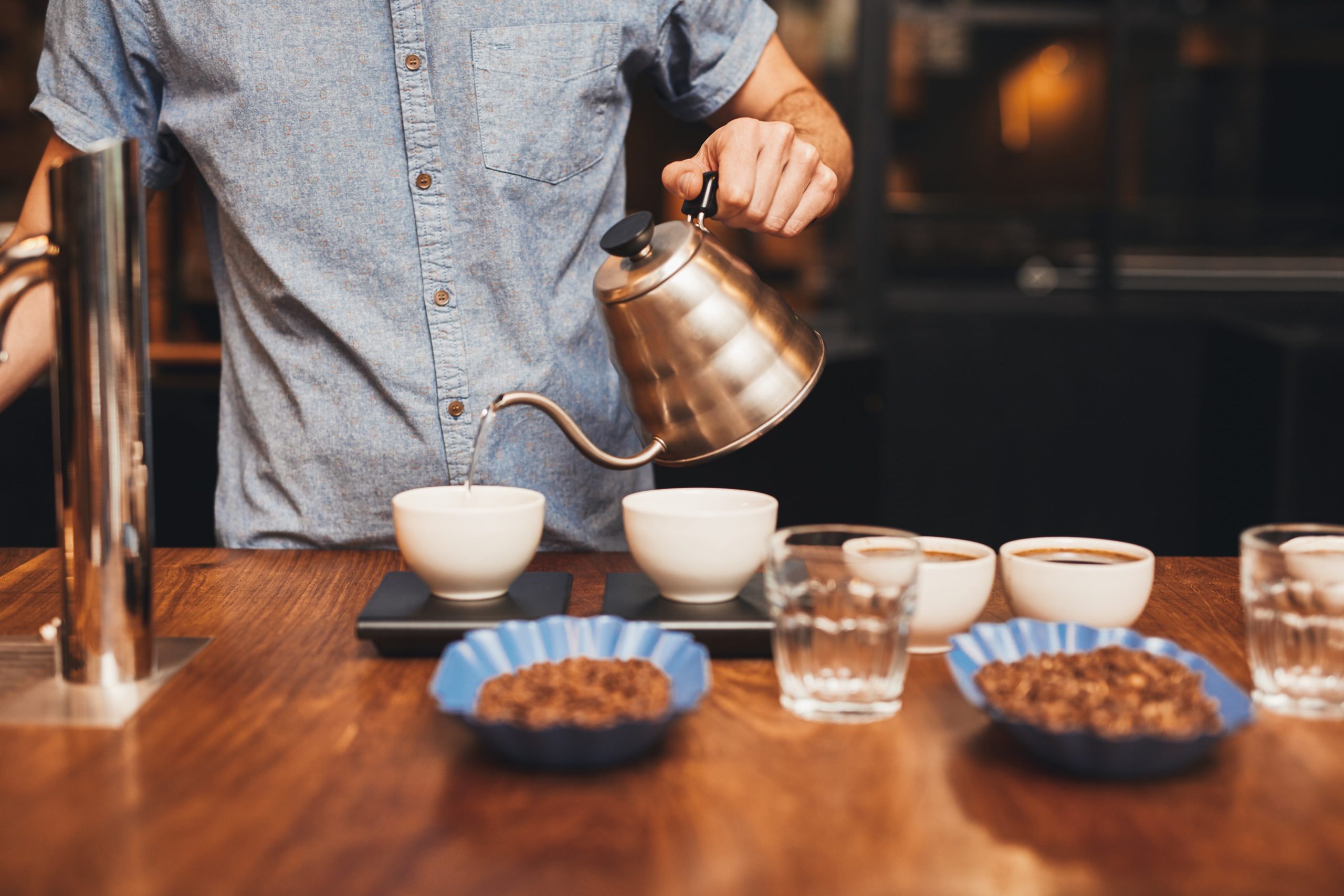
Strong coffee doesn’t have to mean expensive coffee. Whether you’re working with a simple French press or an elaborate espresso setup, the fundamentals stay the same: better beans, fresh grind, correct ratio, right temperature.
There are a dozen ways to brew a strong cup, and now you know the ones worth trying. All you really need is hot water, a freshly roasted bean, and a willingness to experiment. The rest takes care of itself.
What We Actually Do Differently
Full disclosure: we’ve made strong coffee dozens of different ways, and here’s what we’ve learned through actual trial and error:
The measurements above are solid starting points, but coffee strength is deeply personal. I typically bump the coffee dose up about 15% from standard recommendations because I like it punchy. If bitterness is a problem for you, scale back a bit and compensate with a slightly longer steep or a coarser grind instead.
Fresh beans make a genuinely noticeable difference here. Anything roasted within the last three weeks performs well. Supermarket beans that have been sitting on shelves for months will taste stale no matter what you do to them. Not a dealbreaker when nothing else is available, but worth knowing.
If you would rather choose a purpose-built bag than adjust your existing recipe, compare our strong coffee recommendations for caffeine and bold flavor.