
I started making my own coffee syrups about three years ago because I was spending an embarrassing amount of money at Starbucks — not on the coffee itself, but on the flavor add-ons. A vanilla latte here, a caramel cold brew there, and suddenly I was looking at $200 a month on what is essentially sugar water with flavor. That realization hit hard.
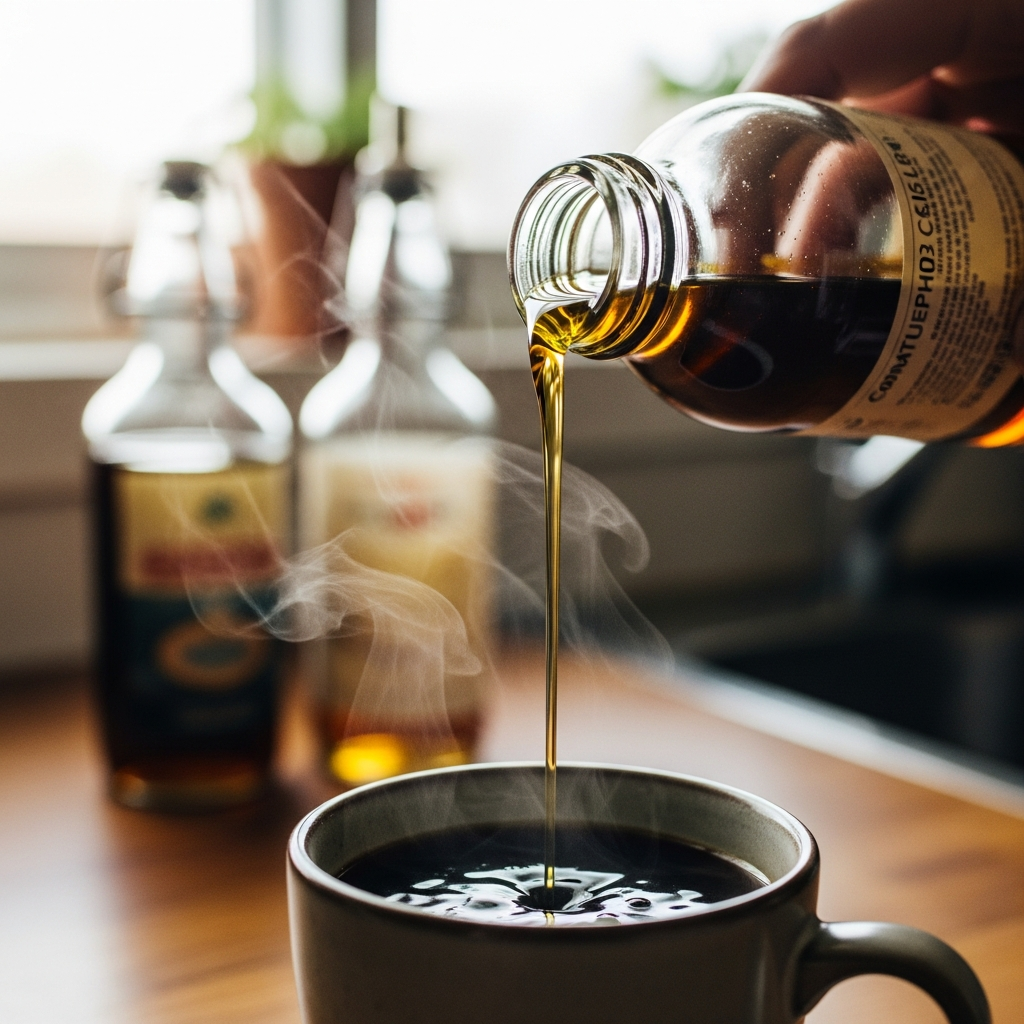
So I started making syrups at home, and here is what I discovered: not only is it absurdly cheaper (we are talking about $1 per bottle vs $0.80 per pump at Starbucks), the homemade versions taste significantly better. No artificial flavors, no high fructose corn syrup, no mysterious “natural flavors” that taste nothing like the real thing. Just real ingredients, real flavor, and complete control over the sweetness level.
Below are 8 coffee syrup recipes I have tested, refined, and used daily over the past three years. Each one starts with the same basic technique, and I have included the exact shelf life, the best drinks to pair them with, and even some ideas for bottling them as gifts (they are genuinely excellent presents for the coffee lover in your life).
The Base Simple Syrup Recipe (Master This First)
Every flavored syrup starts with a basic simple syrup. Get this right and the rest is just adding ingredients. It takes 5 minutes.
Ingredients
- 1 cup granulated white sugar
- 1 cup water
Equipment
- A small saucepan
- A whisk or spoon
- A fine mesh strainer
- A clean glass bottle or jar with a tight-fitting lid (swing-top bottles work great)
Steps
- Combine the sugar and water in a small saucepan over medium heat.
- Stir continuously until the sugar is completely dissolved. You will see the liquid go from cloudy to perfectly clear — that is how you know the sugar is fully dissolved.
- Once clear, let it simmer gently for 2-3 minutes. Do not let it boil vigorously — you do not want the water to evaporate and change the sugar concentration.
- Remove from heat and let it cool to room temperature.
- Pour into a clean glass bottle using a funnel. Store in the refrigerator.
Shelf life: Plain simple syrup keeps for 3-4 weeks refrigerated. Adding a tablespoon of vodka extends it to 6-8 weeks by inhibiting mold growth (you will not taste the vodka).
Yield: This recipe makes about 12 oz of syrup, which is roughly 24 tablespoon-sized servings — enough for about 3 weeks of daily use.
1. Vanilla Bean Syrup
Real vanilla syrup made with actual vanilla beans is in a completely different universe from the artificial vanilla flavoring in most store-bought syrups. The flavor is warmer, deeper, and more complex — you get floral notes, a slight booziness, and that unmistakable vanilla aroma that fills your kitchen while it simmers.
Ingredients
- 1 cup sugar
- 1 cup water
- 1 whole vanilla bean, split lengthwise and seeds scraped out (use both the seeds and the pod)
Steps
- Follow the base simple syrup recipe, but add the vanilla bean seeds and the split pod to the saucepan with the sugar and water.
- After the sugar dissolves, reduce heat to low and let it simmer for 10 minutes (longer than the base recipe — you want the vanilla to infuse fully).
- Remove from heat and let it steep for 30 minutes with the vanilla pod still in it.
- Strain through a fine mesh strainer into your bottle. The tiny vanilla bean specks will pass through — that is normal and actually looks beautiful in the bottle.
Shelf life: 3-4 weeks refrigerated.
Best used in: Vanilla lattes, cold brew, iced coffee, as the sweetener in an espresso-based cocktail like a carajillo. This is also my go-to syrup for Nespresso Vertuo drinks when I want to elevate a basic pod.
Cost: One vanilla bean costs about $3-5 (buy them online in bulk for closer to $2 each). Total cost per bottle: approximately $3.50. A vanilla syrup pump at Starbucks is $0.80, so you break even after about 4 drinks.
2. Caramel Syrup
Real caramel syrup is not the same as caramel-flavored simple syrup. The difference is that you actually caramelize the sugar first, which creates hundreds of complex flavor compounds through the Maillard reaction. The result tastes like butterscotch, toffee, and toasted marshmallow — nothing like the one-dimensional artificial caramel flavor in most commercial syrups.
Ingredients
- 1 cup sugar
- 1/4 cup water (for the initial caramelization)
- 3/4 cup hot water (added after caramelization — be careful, it will bubble violently)
- A pinch of sea salt (optional but highly recommended — it rounds out the sweetness)
Steps
- Combine the sugar and 1/4 cup water in a clean saucepan over medium-high heat. Stir just once to wet all the sugar, then stop stirring completely. Stirring during caramelization causes crystallization — let the heat do the work.
- Watch the sugar carefully. It will bubble, then start turning golden around the edges after about 5-7 minutes. Gently swirl the pan (do not stir) to distribute the color evenly.
- When the sugar reaches a deep amber color (like the color of an old penny), immediately remove from heat. The caramel goes from perfect to burnt very quickly — about 30 seconds separates them.
- Very carefully pour in the 3/4 cup of hot water. Stand back — the caramel will bubble aggressively and release a burst of steam. This is normal. Whisk until smooth.
- If any hardened caramel chunks formed, return the pan to low heat and stir until everything is dissolved. Add the pinch of sea salt. Let cool and bottle.
Shelf life: 4 weeks refrigerated. Caramel syrup is actually more shelf-stable than plain simple syrup because the caramelization process changes the sugar structure.
Best used in: Caramel lattes, caramel cold brew, caramel macchiatos, or drizzled over whipped cream on any coffee drink. Also excellent in an iced coffee made with your Keurig — the homemade caramel syrup elevates a basic K-Cup dramatically.
Cost: About $0.75 per bottle (just sugar, water, and salt). This is the most cost-effective syrup on this list.
3. Hazelnut Syrup
Most commercial hazelnut syrups taste like chemical perfume. Homemade hazelnut syrup, made with actual toasted hazelnuts, tastes like Nutella in liquid form — warm, nutty, and genuinely delicious. The toasting step is critical because it develops the oils and flavor compounds that make hazelnuts taste like hazelnuts.
Ingredients
- 1 cup sugar
- 1 cup water
- 1/2 cup raw hazelnuts, roughly chopped
- 1/4 teaspoon vanilla extract (optional but recommended)
Steps
- Toast the hazelnuts in a dry skillet over medium heat for 5-7 minutes, stirring frequently, until they are golden brown and fragrant. You will know they are done when your kitchen smells amazing. Let them cool slightly.
- Combine the sugar, water, and toasted hazelnuts in a saucepan over medium heat. Stir until the sugar dissolves.
- Reduce heat to low and let the mixture simmer for 20 minutes to allow the hazelnut flavor to fully infuse.
- Remove from heat and let it steep for an additional 30 minutes with the nuts still in it.
- Strain through a fine mesh strainer (press on the nuts to extract maximum flavor), then strain again through cheesecloth or a coffee filter to remove any fine particles. Add vanilla extract if using.
Shelf life: 2-3 weeks refrigerated. The nut oils shorten the shelf life compared to plain simple syrup.
Best used in: Hazelnut lattes, mocha hazelnut drinks (chocolate + hazelnut = basically Nutella), or added to hot cocoa for an adult hot chocolate experience.
Cost: About $2.50 per bottle (hazelnuts are the expensive ingredient here).
4. Brown Sugar Cinnamon Syrup (The Starbucks Shaken Espresso Copycat)
This is the syrup that Starbucks uses in their Brown Sugar Oatmilk Shaken Espresso — one of their most popular drinks. The good news is that it is incredibly easy to make at home and tastes even better than the original because you are using real cinnamon instead of “natural flavors.”
Ingredients
- 1 cup dark brown sugar (packed)
- 1 cup water
- 2 cinnamon sticks (or 1.5 teaspoons ground cinnamon, but sticks give a cleaner flavor)
Steps
- Combine the brown sugar, water, and cinnamon sticks in a saucepan over medium heat.
- Stir until the brown sugar is completely dissolved. Brown sugar dissolves a bit slower than white sugar, so give it an extra minute.
- Let it simmer on low heat for 10 minutes with the cinnamon sticks steeping.
- Remove from heat and let the cinnamon continue to steep for another 20 minutes.
- Strain out the cinnamon sticks (or strain through a fine mesh if you used ground cinnamon) and bottle.
Shelf life: 3-4 weeks refrigerated.
Best used in: Shaken espresso with oat milk (the Starbucks copycat), chai lattes, oatmeal, or drizzled over pancakes. This is a genuinely versatile syrup that crosses over into breakfast territory.
Cost: About $1.00 per bottle. Brown sugar is slightly more expensive than white, but still negligible.
5. Lavender Syrup
Lavender and coffee is one of those pairings that sounds like it should not work but absolutely does. The floral, slightly herbal quality of lavender contrasts beautifully with coffee’s roasty bitterness. A lavender latte made with this syrup is one of the most elegant coffee drinks you can make at home. The key is restraint — too much lavender tastes like soap. A little goes a long way.
Ingredients
- 1 cup sugar
- 1 cup water
- 2 tablespoons dried culinary lavender (make sure it is food-grade — not the potpourri stuff from the craft store)
Steps
- Combine sugar and water in a saucepan over medium heat. Stir until dissolved.
- Add the dried lavender. Reduce heat to low and simmer for 5 minutes only. Over-simmering lavender makes it taste bitter and medicinal.
- Remove from heat and let the lavender steep for 15-20 minutes. Taste it — when it has a clear lavender flavor without being overwhelming, it is ready.
- Strain through a fine mesh strainer to remove all the lavender buds. Press on them gently to extract the last bit of flavor.
Shelf life: 3-4 weeks refrigerated.
Best used in: Lavender lattes (hot or iced), lavender cold brew, or mixed into lemonade for a lavender lemonade that has nothing to do with coffee but is too good not to mention.
Cost: About $1.50 per bottle. Dried culinary lavender is inexpensive and a small bag lasts for dozens of batches.
6. Pumpkin Spice Syrup
The Starbucks Pumpkin Spice Latte is arguably the most famous seasonal coffee drink in the world — and you can make a better version at home for a fraction of the cost. The secret that most homemade PSL recipes miss: you need actual pumpkin puree, not just pumpkin pie spice. The puree adds body, color, and a subtle earthy sweetness that spice alone cannot replicate.
Ingredients
- 1 cup sugar
- 1 cup water
- 3 tablespoons canned pumpkin puree (not pumpkin pie filling — just plain pumpkin)
- 1 teaspoon ground cinnamon
- 1/2 teaspoon ground ginger
- 1/4 teaspoon ground nutmeg
- 1/8 teaspoon ground cloves
- 1 teaspoon vanilla extract
Steps
- Combine sugar, water, pumpkin puree, and all spices in a saucepan over medium heat.
- Whisk until the sugar dissolves and the pumpkin is fully incorporated. It will look a bit chunky at first — keep whisking.
- Simmer on low for 10 minutes, stirring occasionally.
- Remove from heat and add the vanilla extract. Let it cool for 15 minutes.
- Strain through a fine mesh strainer, pressing on the solids to extract all the liquid. Then strain a second time through cheesecloth or a coffee filter for a smoother syrup. Some people skip the second strain and leave it slightly thick — both ways work.
Shelf life: 2 weeks refrigerated (shorter than other syrups because of the pumpkin puree). Make it in smaller batches during pumpkin season.
Best used in: Pumpkin spice lattes (obviously), pumpkin cold brew, added to oatmeal or yogurt, or stirred into hot apple cider for a fall drink that will make your house smell incredible.
Cost: About $1.25 per batch. A can of pumpkin puree costs less than $2 and contains enough for 4-5 batches of syrup.
7. Peppermint Syrup
Peppermint mocha season runs from November through February in my house, and this syrup is the reason. It is the simplest flavored syrup on this list — just simple syrup plus peppermint extract — but the result is clean, bright, and intensely minty in a way that store-bought peppermint syrups cannot match because they are often diluted with other flavors.
Ingredients
- 1 cup sugar
- 1 cup water
- 1 teaspoon pure peppermint extract (not spearmint — there is a difference)
Steps
- Make a basic simple syrup: combine sugar and water in a saucepan, heat until dissolved, simmer for 2-3 minutes.
- Remove from heat and let it cool for 5 minutes.
- Add the peppermint extract and stir well. Start with 3/4 teaspoon and taste — you can always add more, but you cannot take it out. 1 teaspoon gives a strong, clearly minty flavor. 1.5 teaspoons is very intense (I like it that way).
- Let it cool completely and bottle.
Shelf life: 4 weeks refrigerated. The peppermint extract actually has preservative properties.
Best used in: Peppermint mochas, peppermint hot chocolate, candy cane lattes, or added to the coffee smoothie recipes we have for a minty twist.
Cost: About $1.00 per bottle. Peppermint extract is inexpensive and lasts forever.
8. Sugar-Free Vanilla Syrup (Erythritol Base)
For those watching sugar intake, erythritol is the best sugar substitute for syrups because it dissolves cleanly, does not have the bitter aftertaste of stevia, and has zero glycemic impact. The texture is slightly thinner than sugar-based syrup, but in coffee, you genuinely cannot tell the difference.
Ingredients
- 1 cup granulated erythritol (Swerve brand works well)
- 1 cup water
- 1 whole vanilla bean, split and scraped (or 2 teaspoons pure vanilla extract as a budget alternative)
Steps
- Combine erythritol and water in a saucepan over medium heat. Erythritol takes slightly longer to dissolve than sugar — stir continuously for 3-4 minutes until the liquid is completely clear.
- If using a vanilla bean, add the seeds and pod now. Simmer on low for 10 minutes.
- Remove from heat. If using vanilla extract instead of a bean, add it now (extract loses flavor if cooked).
- Let it steep for 30 minutes, then strain and bottle.
Shelf life: 2-3 weeks refrigerated. Erythritol-based syrups can sometimes crystallize in the fridge — if this happens, microwave for 15 seconds and shake to re-dissolve.
Best used in: Any drink where you would use regular vanilla syrup. It works especially well in iced coffee and cold brew where the thinness is less noticeable.
Cost: About $3.00 per bottle (erythritol is more expensive than sugar, but you are saving on Starbucks sugar-free syrup pumps at $0.80 each).
The Cost Comparison: Homemade vs Starbucks
Let me break down the actual math, because this is where homemade syrups really shine:
- Starbucks syrup pump: $0.80 per pump. Most drinks use 3-4 pumps, so $2.40-$3.20 in syrup per drink (on top of the base drink cost).
- Homemade syrup: Average cost per bottle is about $1.00-$3.50 depending on the flavor. Each bottle makes 20-24 servings. That is $0.04-$0.15 per serving.
- Annual savings: If you have one flavored coffee drink per day, switching from Starbucks pumps to homemade saves roughly $850-$1,100 per year. Not a life-changing number, but enough to fund some genuinely nice coffee equipment.
Bottling and Gifting Your Syrups
Homemade coffee syrups make genuinely thoughtful gifts, especially during the holidays. Here are my tips for presentation:
- Bottles: Swing-top glass bottles (like Grolsch beer bottles) look beautiful and seal well. You can buy them empty for about $3-5 each on Amazon. Small (8 oz) bottles work best for gifting — the syrup will be used up before it expires.
- Labels: Print simple labels on kraft paper or cardstock. Include the flavor name, a “made on” date, a “use by” date, and basic storage instructions (“refrigerate, use within 3 weeks”). Tie them on with kitchen twine for a rustic look.
- Gift sets: A set of 3-4 small bottles (vanilla, caramel, brown sugar cinnamon, and peppermint) in a small box or basket with a bag of good coffee beans is a $15 gift that looks and feels like it cost $50.
- Pairing cards: Include a small card with each bottle suggesting 2-3 drinks to make with it. People appreciate the guidance, especially if they are not sure how to use a lavender or hazelnut syrup.
Frequently Asked Questions
Can I use honey instead of sugar for the base?
Yes, but the flavor profile changes significantly. Honey has its own strong flavor that will compete with delicate flavors like lavender or vanilla. It works well for the brown sugar cinnamon and pumpkin spice syrups where the honey’s complexity is a benefit. Use a 1:1 ratio of honey to water, and heat just until the honey dissolves (do not boil it — boiling honey destroys its subtle flavors).
Why does my syrup crystallize?
Crystallization happens when the sugar concentration is too high or when sugar crystals on the side of the jar act as “seed” crystals. To prevent it: make sure you use a clean jar, do not let the syrup boil down too much (this over-concentrates it), and add a tiny squeeze of lemon juice (the acid inhibits crystallization). If it does crystallize, microwave for 20 seconds and stir — it will re-dissolve.
Can I make a 2:1 (rich) simple syrup instead?
Absolutely. A 2:1 ratio (2 cups sugar to 1 cup water) makes a thicker, sweeter syrup that lasts longer in the fridge (up to 6 weeks) because the higher sugar concentration inhibits microbial growth. The trade-off is that it is sweeter per serving, so you use less. Most cocktail bars use 2:1 syrups — if you are making coffee cocktails like the carajillo or a tea cocktail, a rich syrup integrates better.
How do I know if my syrup has gone bad?
The signs are obvious: mold on the surface (often white or green fuzzy spots), cloudiness that was not there before, an off or fermented smell, or bubbles forming on their own (signs of fermentation). If you see any of these, throw it out and make a fresh batch. This is why I recommend making smaller batches more frequently rather than one giant batch.
Can I use these syrups for cocktails too?
Every single one of them works beautifully in cocktails. The vanilla syrup is essential for espresso martinis and vanilla vodka drinks. The caramel syrup is incredible in a bourbon-based cocktail. The lavender syrup makes a killer gin cocktail. Making your own syrups is one of the easiest ways to level up both your coffee game and your cocktail game simultaneously.
Not sure which variation to make first? Our guide to popular coffee flavors compares vanilla, caramel, mocha, nuts, spice, floral and fruit combinations.