
My kid’s school had a bake sale last October. I signed up to bring brownies because — let’s be honest — that’s the lowest-effort commitment on the list. Cookies require scooping and timing. Cake requires frosting and transport anxiety. Brownies? One pan, cut into squares, done.
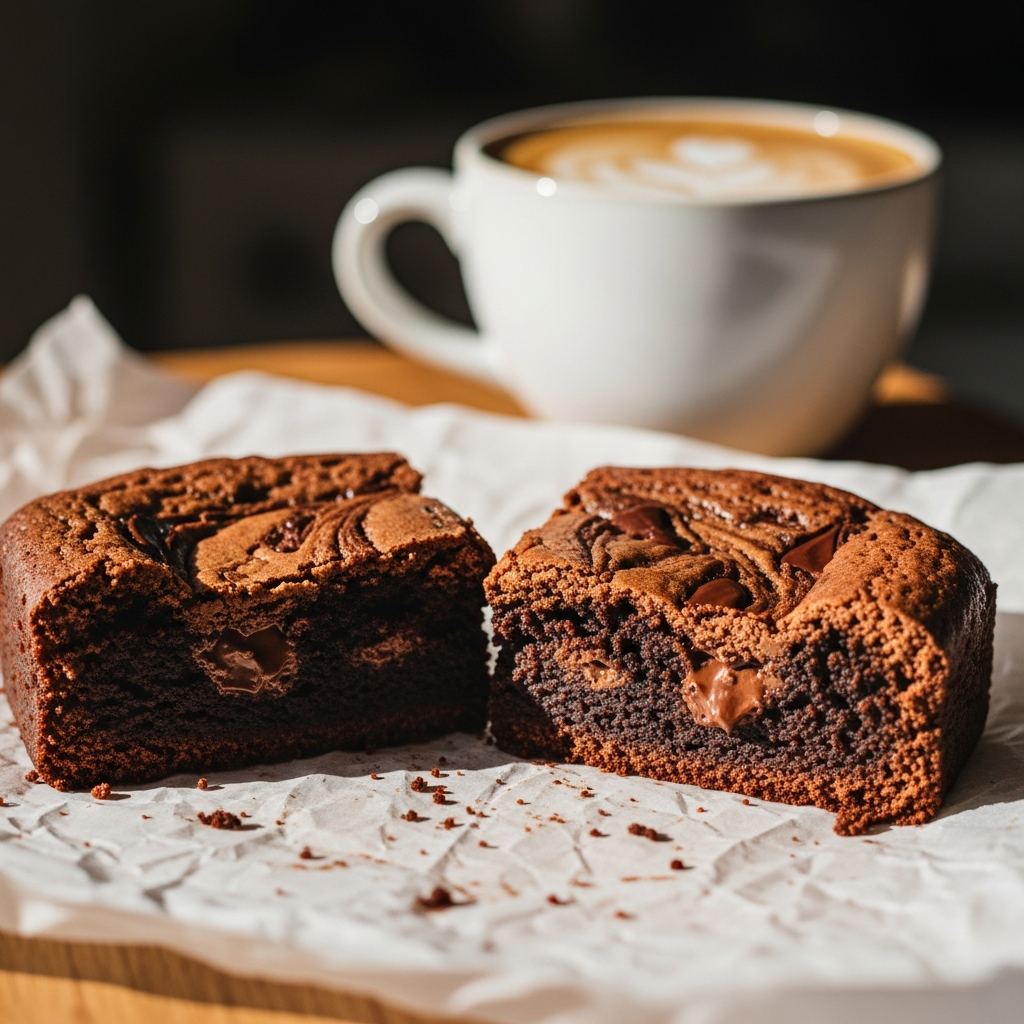
But I had this jar of instant espresso on the counter from another recipe, and on a whim I tossed two tablespoons into the batter. Figured it couldn’t hurt. What happened next is the reason I’m writing this. A mom I’d never met tracked me down in the pickup line — the PICKUP LINE — to ask for the recipe. Said her son ate three and wanted to know what was different about them. “They taste more chocolatey than normal brownies,” she said. Not coffee-flavored. More chocolatey.
That’s the whole trick. A tiny bit of espresso doesn’t make brownies taste like coffee. It makes the chocolate taste like more chocolate. Once you figure this out, you’ll never make a batch without it. I haven’t. Not once since that bake sale. And I’ve made these… a lot. (My wife stopped counting somewhere around batch thirty. She also stopped pretending she wasn’t going to eat three of them every time.)
Here’s the lineup: half a cup of butter, one cup of sugar, two eggs, a third of a cup of cocoa powder, half a cup of flour, two tablespoons of cooled espresso, a teaspoon of vanilla, and a pinch of salt. Notice anything missing? No baking powder. No baking soda. No leavening whatsoever. That’s on purpose — and it’s exactly what makes these dense, fudgy, and borderline obscene.
The Science Behind Espresso in Brownies
So here’s the thing nobody explains: the espresso isn’t adding coffee flavor. It’s turning up the volume on the chocolate. Chocolate has hundreds of volatile aromatic compounds, and the caffeine and other stuff in espresso basically amplifies your perception of those aromatics. Same trick as putting a pinch of salt in caramel — the salt doesn’t make it saltier, it makes the sweetness pop harder.
I did a side-by-side test. One batch with espresso, one without. Every single person said the espresso batch was “more chocolatey.” Not one person tasted coffee. Not one. That’s the magic right there.
Two tablespoons is the sweet spot. At one tablespoon, you’d have to taste both versions next to each other to notice anything. At three, you start picking up an actual coffee note — which isn’t what we’re going for here. Two gives you maximum chocolate amplification with zero detectable coffee. If you appreciate the intensity of a good dark roast, you’ll love what this does to chocolate.
What You’ll Need
- 1/2 cup (1 stick) unsalted butter
- 1 cup granulated sugar
- 2 large eggs, at room temperature
- 1/3 cup unsweetened cocoa powder (Dutch-process gives a deeper, darker result)
- 1/2 cup all-purpose flour
- 2 tablespoons espresso, cooled to room temperature (or 2 tsp instant espresso dissolved in 2 tbsp hot water, then cooled)
- 1 teaspoon pure vanilla extract
- 1 pinch of fine salt (about 1/4 teaspoon)
- An 8×8 inch baking pan
- Parchment paper
- Nonstick cooking spray
Step-by-Step Fudgy Mocha Brownies
Step 1: Prep the Pan (2 minutes)
Oven to 350°F. Line an 8×8 pan with parchment paper, leaving a couple inches hanging over two sides — those are your handles for lifting the whole slab out later. Clean cuts, no chiseling brownies out of a pan with a fork. (Not that I’ve ever done that. Multiple times.) Spray the parchment with nonstick spray. Double insurance.
Step 2: Melt the Butter (3 minutes)
Melt 1/2 cup butter in a saucepan over low heat, or microwave in 30-second bursts. Once it’s liquid, pull it off the heat. We melt the butter instead of creaming it because melted butter = fudgy. Creamed butter traps air = cakey. Nobody wants cakey brownies. I will die on this hill.
Let it cool for about 2 minutes. You want it warm, not hot, when the eggs go in — hot butter scrambles eggs and then you’re making a very confusing omelet.
Step 3: Mix the Wet Ingredients (3 minutes)
Add 1 cup sugar to the warm melted butter and stir until combined. Crack in 2 eggs, one at a time, stirring well after each. Watch the batter go from grainy and matte to glossy and smooth — that transition is weirdly satisfying every time. Add the 2 tablespoons of cooled espresso and 1 teaspoon of vanilla. Stir until everything’s uniform. Should look dark, shiny, and slightly thick. Like really good chocolate sauce.
Step 4: Add the Dry Ingredients (2 minutes)
Sift the 1/3 cup cocoa powder over the wet mixture. (Sift it. Cocoa clumps are STUBBORN — once they form in batter they’re basically permanent residents.) Add 1/2 cup flour and the pinch of salt. Grab a spatula — not a whisk, not a mixer — and fold everything together. Just until the flour disappears. Over-mixing develops gluten and makes brownies tough. You want tender, not chewy bread.
Twenty to twenty-five gentle strokes with the spatula. That’s it. See some flour streaks? Fine. They’ll sort themselves out in the oven.
Step 5: Bake (25 minutes)
Pour the batter into the pan, spread it even with a spatula. Into the oven at 350°F for exactly 25 minutes. Then: the toothpick test. Stick one in the center. What you want to see: moist crumbs clinging to it. Not wet batter (underdone), not a clean toothpick (overdone). Think of it like over-extracting coffee — pushing past the sweet spot ruins everything.
Wet batter on the toothpick? Three more minutes, test again. Clean toothpick? You went too far — they’ll still taste fine but the texture will lean cakey. Start checking at 23 minutes if your oven runs hot. Slightly underdone always beats overdone with brownies. Always.
Step 6: Cool Completely (45 minutes to 1 hour)
I know. I KNOW. The smell is torture. But let the brownies cool in the pan on a wire rack for at least 45 minutes before even thinking about ganache. Cutting into hot brownies is tempting but gets you a crumbly, falling-apart mess — the structure needs time to set up.
No ganache? You can cut at 30 minutes, but they’ll be cleaner at 45. Use the parchment handles to lift the whole slab out. Sharp knife. Wipe the blade between cuts for neat edges. This small step makes your brownies look professional instead of like a crime scene.
Espresso Ganache: The Topping That Changes Everything
I almost didn’t include this because the brownies are incredible on their own. But then I made the ganache one rainy Saturday afternoon and now I can’t NOT include it. It’s a glossy, truffle-like layer that snaps when you bite through it, giving way to the fudgy brownie underneath. The texture contrast is ridiculous.
What You’ll Need for the Ganache
- 4 oz dark chocolate (60-70% cacao), chopped into small pieces
- 1/4 cup heavy cream
- 1 tablespoon espresso, cooled (or 1 tsp instant espresso dissolved in 1 tbsp hot water)
How to Make It
Heat 1/4 cup cream in a small saucepan until bubbles form around the edges — 1-2 minutes over medium heat. Pour it over the chopped chocolate in a heatproof bowl. Now here’s the hardest part: don’t touch it for 2 minutes. Just let the hot cream melt the chocolate gradually. I know you want to stir. Don’t.
Okay NOW stir. Gentle circles from the center outward. It’ll look lumpy and terrible at first — don’t panic, keep stirring — then suddenly it snaps into this glossy, smooth, gorgeous thing. Add the tablespoon of espresso, stir once more. Pour it over the cooled brownies (this is why cooling matters — ganache on warm brownies just melts through instead of forming a layer). Spread with an offset spatula or the back of a spoon.
Fridge for 30 minutes to set the ganache. Then cut. That snap of the ganache layer followed by the fudgy brownie underneath… I mean. Come on.
Three Variations Worth Making
Variation 1: Salted Caramel Espresso Brownies
Make the batter as written. Pour half into the pan. Dollop 3-4 tablespoons of store-bought salted caramel sauce over it in random spots — don’t be precious about placement. Pour the rest of the batter on top. Take a knife or skewer and swirl the caramel through with two or three long strokes. Don’t over-swirl or it disappears into the batter. Sprinkle flaky sea salt (Maldon if you’re fancy) over the top. Bake as directed.
The caramel creates these pockets of gooey sweetness hidden throughout the brownie and the salt crystals on top give bursts of crunch. This is the variation my friends request by name. Every time.
Variation 2: Mocha Cream Cheese Brownies
Separate bowl: beat 4 oz softened cream cheese with 2 tablespoons sugar and 1 egg yolk until smooth. Pour brownie batter into the pan. Drop spoonfuls of the cream cheese mixture on top, then drag a knife through for a marbled effect. Bake at 350°F for 28-30 minutes — the cream cheese needs a bit more time. The tanginess cuts right through all that chocolate richness and creates something more complex. Plus the marbling looks absolutely gorgeous when you cut into squares.
Variation 3: Mini Brownie Bites
Skip the 8×8 pan. Pour batter into a greased mini muffin tin, filling each cup about two-thirds full. Bake at 350°F for 12-15 minutes only — they’re tiny, they cook fast. The edges get slightly crispy while the centers stay fudgy — every single bite is a perfect ratio of crust to fudge. Top each cooled bite with a spoonful of espresso ganache and a single coffee bean if you want to be fancy about it. Makes about 24 little guys. Perfect for parties, potlucks, or when you want to feel like you’re eating “just a small treat” twelve times in a row.
Freezer Instructions
These freeze like a dream. Cut the cooled brownies into squares. Lay them in a single layer on a parchment-lined baking sheet and freeze for 1 hour until solid. Transfer to a freezer-safe zip-top bag with parchment between layers. Good for up to 3 months — no quality loss. The ganache freezes perfectly too, keeps its glossy snap even after thawing.
To thaw: pull out however many you want, room temperature, 10-15 minutes. That’s it. Frozen-solid to perfect-fudgy in that window. Don’t microwave them — the chocolate and ganache melt unevenly and you get hot edges surrounding a cold center. Some people actually eat them straight from the freezer, though, and I get it — the texture becomes almost like a frozen chocolate truffle. Dense, cold, intensely chocolatey. Different vibe but honestly kind of amazing.
Choosing Your Chocolate and Espresso
What you put in matters. For cocoa powder: Dutch-process (alkalized) gives you a darker, smoother, more mellow chocolate flavor. Natural cocoa (like Hershey’s) is sharper and more acidic. Both work — it’s preference — but Dutch-process gives you that deep, dark brownie that looks incredible on a plate. Or in an Instagram post. Or just in your hand at midnight. No judgment.
For espresso: any espresso beans will work. Medium roast gives the most balanced enhancement. No espresso machine? Dissolve 2 teaspoons instant espresso powder in 2 tablespoons hot water, let it cool. This is my lazy-day method and it works identically in the final product. Nobody can tell the difference.
For the ganache: use a good dark chocolate bar, 60-70% cacao. Chopped from a bar, not chips — chocolate chips have stabilizers that help them keep their shape but prevent them from melting into silky-smooth ganache. Ghirardelli, Guittard, and Lindt are all solid grocery store options. You don’t need to mortgage your house for fancy chocolate here.
Why No Leavening Makes Better Brownies
Most brownie recipes throw in baking powder or baking soda. I don’t. On purpose.
Leavening creates air pockets — great for cake, terrible for brownies. A fudgy brownie should be dense, moist, and slightly chewy. Like a chocolate bar someone gently warmed up. The only air in this recipe comes from beating the eggs into the batter, which gives just enough lift to keep things from becoming a solid chocolate brick. The brownies collapse slightly as they cool (totally normal, actually what you want), creating that dense, truffle-like interior that makes people close their eyes when they take a bite.
Troubleshooting
Brownies are too cakey: Over-mixed batter, oven running hot, or too much flour. Measure flour with the spoon-and-level method — spoon it into the measuring cup, then level with a knife. Scooping directly from the bag packs in way too much.
Brownies are dry: Overbaked. That’s it. Pull them when the toothpick shows moist crumbs, not clean. The pan keeps cooking them for 5-10 minutes after they leave the oven. Carryover heat is real and it’s not messing around.
Ganache is grainy or seized: Too much heat hit the chocolate, or water snuck in. Let the hot cream sit on the chocolate for the full 2 minutes before stirring, and make sure your bowl and utensils are bone dry. If it seizes, add 1 tablespoon of warm cream and stir aggressively — usually saves it.
Brownies stuck to the pan: Skipped the parchment, or forgot to spray it. The combo of melted butter, sugar, and chocolate creates an incredibly sticky surface. Parchment plus spray is non-negotiable. Learn from my mistakes.
Frequently Asked Questions
Can I taste the coffee in these brownies?
Nope. That’s the whole point. Two tablespoons in a full batch is undetectable — people just taste richer, deeper chocolate. I’ve served these to coffee-hating friends. Nobody had a clue.
Can I use coffee instead of espresso?
Regular drip is too diluted for just 2 tablespoons to matter. Brew it double-strength, or use 2 teaspoons instant espresso in 2 tablespoons hot water. That gives you the concentration you need.
How do I know when the brownies are done?
Toothpick in the center at 23 minutes. You want moist crumbs, not wet batter, not clean. When in doubt, pull them out. Slightly underdone beats overdone every single time with brownies.
Can I double this recipe?
Yep. 9×13 pan, double everything, bake 28-32 minutes. Start checking at 25 — bigger pan means thinner layer means faster browning at the edges.
Do these brownies need to be refrigerated?
Without ganache: nope, room temp in an airtight container for up to 4 days. With ganache: fridge, because of the cream. Pull them out 10 minutes before eating for the best texture. Cold ones are denser and chewier. Room temp ones are softer and fudgier. Both good, different vibes.