
Burnt-tasting coffee usually results from over-roasted beans, overheated water, or stale grounds.
Check your water temperature first. Then examine your beans for an oily, dark surface that indicates over-roasting.
1. Overheated Coffee
The most obvious answer is also the easiest one to address. Burnt coffee flavor often comes from overheating. There is a fine line between hot coffee and burnt coffee, and depending on your brewing methods, it can cross that line quickly.
Typically, traditional coffee makers can make it easier to burn your beverage. Modern appliances like single-serving brewers and at-home espresso machines can help alleviate this problem. So, if you’re tired of your second and third cups of drip coffee tasting burnt, it may be time to upgrade.
How to Fix It: The simplest solution is to shut off the coffee machine as soon as you’re done brewing. While your coffee will cool down faster, it won’t burn. You can easily pour room-temperature coffee into a cup with ice and get the same flavor. Once it’s burnt, there’s no going back.
2. Over Roasted Coffee
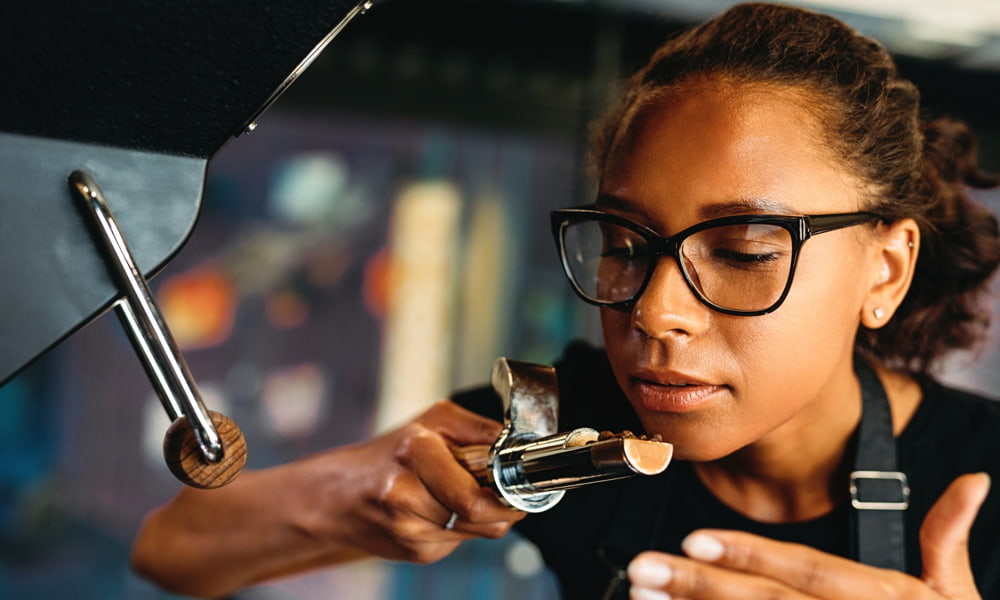
Unfortunately, there’s not much you can do to prevent over roasting unless you roast your own coffee beans. The roasting process is both an art and a science, and it’s virtually impossible to yield precise results every time. Some batches will taste a little burnt because of various issues, such as unripened beans, improper techniques, or faulty equipment.
As a rule, dark roast coffee has a much higher chance of getting over roasted because it goes through multiple cycles. Light roast coffee blends are much harder to burn, but they can have a more bitter taste, so there’s a bit of a trade-off, flavor-wise.
How to Fix It: Most small-batch roasters can pay closer attention to their beans during the roasting process. If you buy coffee from larger brands, there tends to be a higher margin of error. You can also switch to a medium roast since there is less of a chance of burning the beans.
3. Stale Coffee
Once coffee beans are roasted, they start to oxidize. Oxidation just means that they’re actively decomposing. One excellent way to prevent oxidation is to vacuum-seal the beans so that they’re not exposed to the air.
Once you break that seal, however, the beans have an expiration date. Oxidation happens a lot faster for coffee grounds because they have much more surface area. So, if you’re a fan of pre-ground coffee, keep in mind that it will go stale quicker than whole beans that you grind yourself.
That said, if you choose a larger grind size, you can mitigate the problem slightly. Another point to remember with stale coffee is that you can brew it perfectly and still wind up with a burnt flavor. Even though the beans are not overheated or roasted, they still have an unpleasant aftertaste.
How to Fix It: There are two ways to mitigate this problem. First, you can use containers with airtight seals to preserve your coffee beans (or grounds) once you open the package. Second, you can buy smaller amounts of fresh beans more frequently so that there’s less of a chance of oxidation.
4. Dirty Appliances
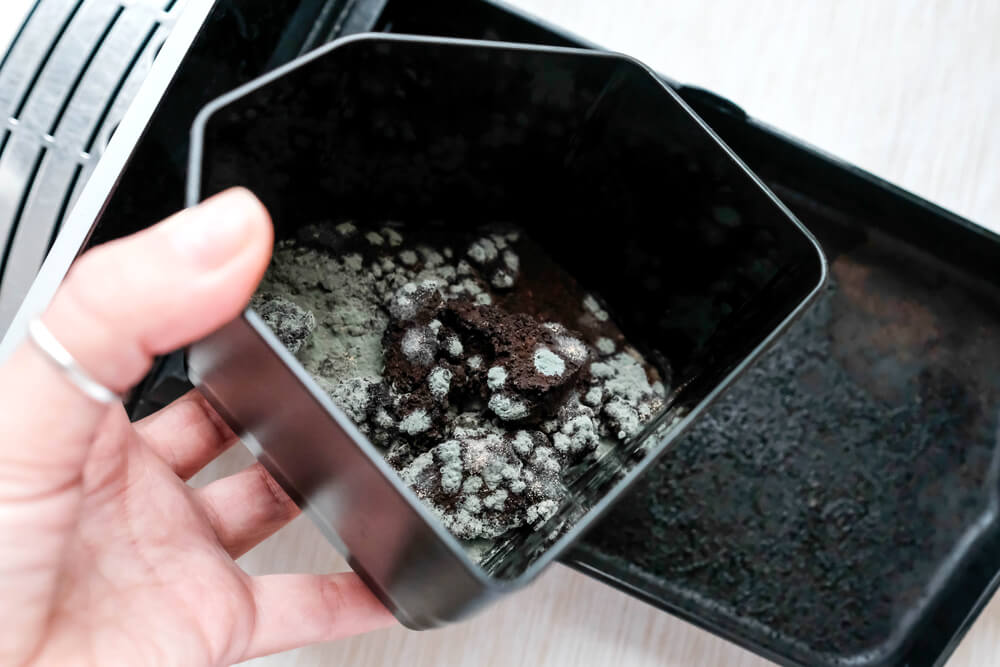
How often do you clean your coffee machine? If you’re not doing it after each brew, you could be setting yourself up for a burnt coffee experience. As you get a build-up of residue, it will seep into your next beverage.
You might not notice a difference at first, but it will only get worse the longer you go between cleanings. This problem also affects French press and slow drip devices. Cleaning these machines not only helps avoid burnt-tasting coffee but bitter coffee as well.
How to Fix It: Ideally, you should clean your coffee machine after each use. While you don’t have to do this immediately, you should clean it before making another batch.
The Final Word On Why Does My Coffee Taste Burnt
Fortunately, as we’ve seen, each of these factors can be addressed, so you don’t have to suffer through burnt coffee for too long. Paying more attention to your coffee selection and brewing process can yield some incredible results. Overall, it’s relatively easy to get better coffee without having to go to the coffee shop.
FAQs About Why Does My Coffee Taste Burnt
How do you stop coffee from burning?
The easiest method is to watch your coffee maker while it’s working. However, if you can’t, set a timer so that you don’t forget about it until it’s too late. You should also shut off the machine once it’s done so that it doesn’t overheat the liquid.
What can I do to reduce the burnt taste?
If your coffee is already burnt, you can add cream and sugar to cut down on the unpleasant flavor.
The Bottom Line
Here’s the practical takeaway after researching and testing this extensively:
Theory is great, but real-world application is messier. We’ve found that understanding the ‘why’ behind coffee science helps you troubleshoot when things go wrong—and they will. Your water, your beans, your grinder, and even humidity levels create variables that no guide can perfectly account for.
Start with the fundamentals in this article, but don’t be afraid to experiment. Some of our best cups have come from “mistakes” that turned into happy accidents. Coffee brewing rewards curiosity.