
Vanilla syrup adds sweetness along with flavor. Vanilla extract adds pure flavor without sugar.
The vanilla syrup vs vanilla extract debate has gotten surprisingly complicated with all the baking blogs and coffee shop menus flying around. As someone who has gone through both products in industrial quantities while developing coffee drink recipes over the years, I learned everything there is to know about when to use which one. Today, I’ll lay it all out for you.
So, What Is the Difference: Vanilla Syrup Vs Vanilla Extract?
Let’s start with vanilla syrup first. Vanilla syrup is made with granulated sugar, water, and a measured amount of vanilla extract. Some versions include a little salt and brown sugar to deepen the flavor — that slight molasses note does something interesting to the finished result that plain white sugar misses entirely.
The syrup is made by boiling sugar and water (sometimes with a pinch of salt) until everything fully dissolves, then cooling the mixture before adding vanilla extract. The cooling step matters more than most recipes acknowledge. Adding extract to boiling liquid burns off volatile flavor compounds and leaves you with something flatter and less nuanced than you’d expect.
Check Price on Amazon. Vanilla syrup also tends to work as a topping rather than a baked-in ingredient. You see it used over cakes, ice creams, and pancakes — any application where you want a visible, glossy, sweet vanilla layer rather than flavor integrated into the dish itself.
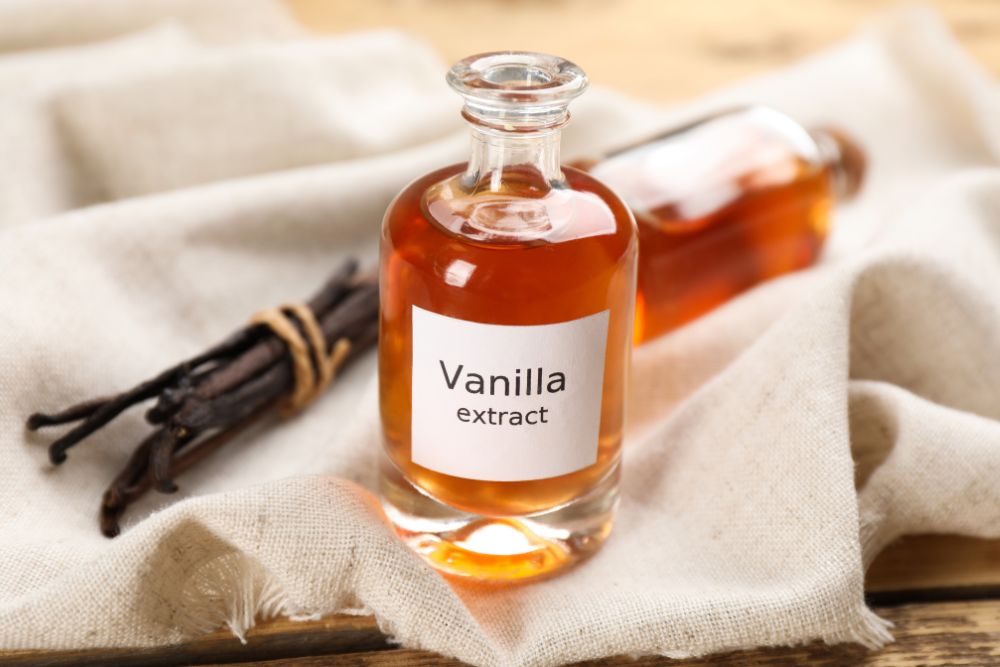
Check Price on Amazon. Vanilla extract, by contrast, is a solution — vanillin (the primary flavor compound from vanilla beans) dissolved in water and alcohol. The FDA specifies that a proper vanilla extract should contain around 100 grams of vanilla beans and 35% alcohol per liter. These days, most commercial vanillin is synthetic, which is perfectly fine for most applications though you’ll taste the difference in simple preparations where vanilla is the main character.
The consistency difference is another easy way to tell them apart. Vanilla syrup is thick and sweet. Vanilla extract is thin, slightly bitter on its own, and has that sharp alcohol note that cooks off when heated. They share a name and a common ingredient, but they behave very differently in actual use.
Probably should have led with this, honestly: if a recipe asks for vanilla extract and you substitute syrup, you’re adding significant sugar that may throw off the balance of the whole dish. In coffee drinks, this works in your favor — the syrup adds both vanilla flavor and sweetness at once. In baking, it can be a problem.
You might also be interested in our guide on the best coffee syrups – Check Price.
Alternatives To Using Vanilla Extract
Sometimes you’re mid-recipe with no vanilla extract in sight. I’ve been there more times than I’d like to admit. The good news is that several substitutes work surprisingly well, and in some applications, they actually improve on the original.
Almond Extract
Check Price on Amazon. Almond extract carries a very strong, distinct flavor — use half the quantity you’d use of vanilla. For a recipe calling for one tablespoon of vanilla extract, a half tablespoon of almond extract is the right proportion. It pairs particularly well with chocolate, coconut, and stone fruit flavors. In coffee drinks, a few drops go a long way and produce something closer to an amaretto-tinged latte than a vanilla one, which is its own pleasant experience.
Maple Syrup
This is one of my favorites for coffee specifically. Maple syrup and coffee have a natural affinity — the caramel-adjacent sweetness of real maple syrup enhances the roasty qualities of dark coffee in a way that feels intentional rather than like a substitution.
The useful thing about maple syrup on Amazon is that you can use it in a 1:1 ratio with vanilla extract in most recipes. No mental math needed. Maple extract is also available and works well, but follow the same half-quantity rule you’d use with almond extract — it’s considerably more concentrated than the syrup.