
First coffee I made at home tasted like burnt water. Bought dark roast because it seemed like the obvious choice for someone who wanted strong coffee. Dark roast done poorly just tastes harsh. The better starting point for new coffee drinkers is medium roast — enough flavor complexity to be interesting without the intensity that takes time to appreciate.
New to coffee? Start with medium roasts that balance flavor complexity with approachability. Very dark roasts can taste burnt and harsh to an uninitiated palate.
Coffee or Coffee Beverage?
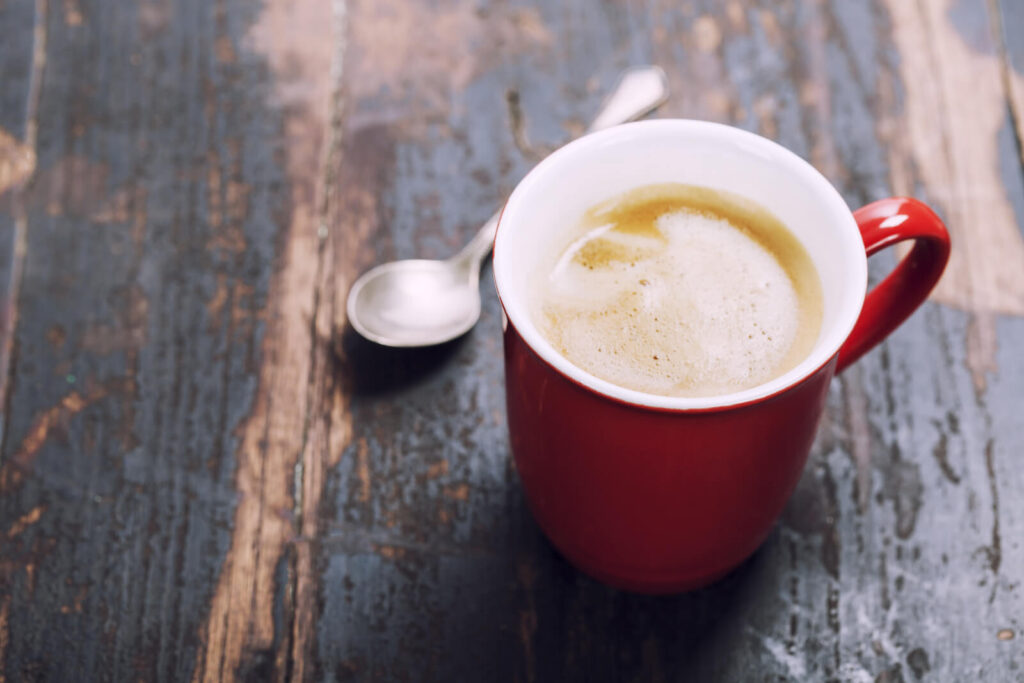
Before you even choose your first bag of beans, it’s worth deciding what kind of coffee experience you’re actually looking for. Brewed coffee, straight? Or something with a little more going on in the cup?
For some people, the taste of plain coffee just doesn’t land on its own — at least not at first. For others, even black instant coffee works fine from day one. You genuinely can’t know which camp you’re in until you try it.
Lattes, cappuccinos, and the various milk-and-coffee combinations that exist around the world (cafe con leche, cafe mocha, etc.) are an excellent starting point if the pure taste of coffee doesn’t immediately click for you.
Espresso-based drinks like lattes work particularly well as entry points. Espresso is intense on its own, but in a latte the milk volume dilutes the flavor considerably — letting you build your appreciation for coffee gradually, on your own schedule.
If you want to go straight to brewed coffee, that’s entirely valid — just know that the taste can feel quite assertive at first. The range of options is broad — Aeropress, drip, French press, pour-over, cold brew — and each has its own character.
Roast And Coffee Flavor
Experienced coffee drinkers often seek out challenging, complex, deeply roasted brews. Those same coffees can taste burnt, bitter, and just unpleasant to someone who’s new to this. Coffee is genuinely an acquired taste for a lot of people, and there’s no shame in starting gently.
For your first cups of brewed coffee, light or medium roasts are the way to go. Light roasts have higher acidity but a milder, more approachable flavor that showcases the natural character of the bean rather than the heaviness of the roast.
One practical note: light roasts carry more caffeine than dark roasts. If you’re drinking several cups a day while you’re getting started, pay attention to how caffeine affects you. Any noticeable side effects — jitteriness, disrupted sleep — and it’s worth switching to decaf. Modern decaf has come a long way; the taste difference is much smaller than most people expect.
The World Of Coffee For Beginners
Coffee comes from a huge number of growing regions, and when you’re new, it can feel overwhelming to know where to start. Here’s a shortcut: Latin American and African coffees are typically more beginner-friendly. They tend to have rounder, sweeter, more approachable flavor profiles that don’t require any prior experience to enjoy.
I wouldn’t start with Indonesian coffees. They’re often darker roasted with earthy, bitter notes that take some experience to fully appreciate. Wonderful in time, but not the right first step.
Italian coffees are similarly not ideal for newcomers. Strong dark roasts, some bitterness, a sharpness that experienced drinkers love — but which can put off someone who’s still finding their footing.
Matching Your Taste With A Coffee
The options are vast, so the most efficient approach is to map your existing taste preferences onto a coffee style.
Love hot chocolate? A cafe mocha is a natural starting point. Enjoy pumpkin soup? Try a pumpkin spice latte. Already comfortable with acquired tastes like red wine or stout? You might find you actually enjoy the more complex black coffees sooner than you’d expect.
It’s not a perfect science — coffee will always add its own layer to the flavor equation — but as starting points go, your existing palate is a surprisingly useful compass.
Cold Brew & Iced Coffee
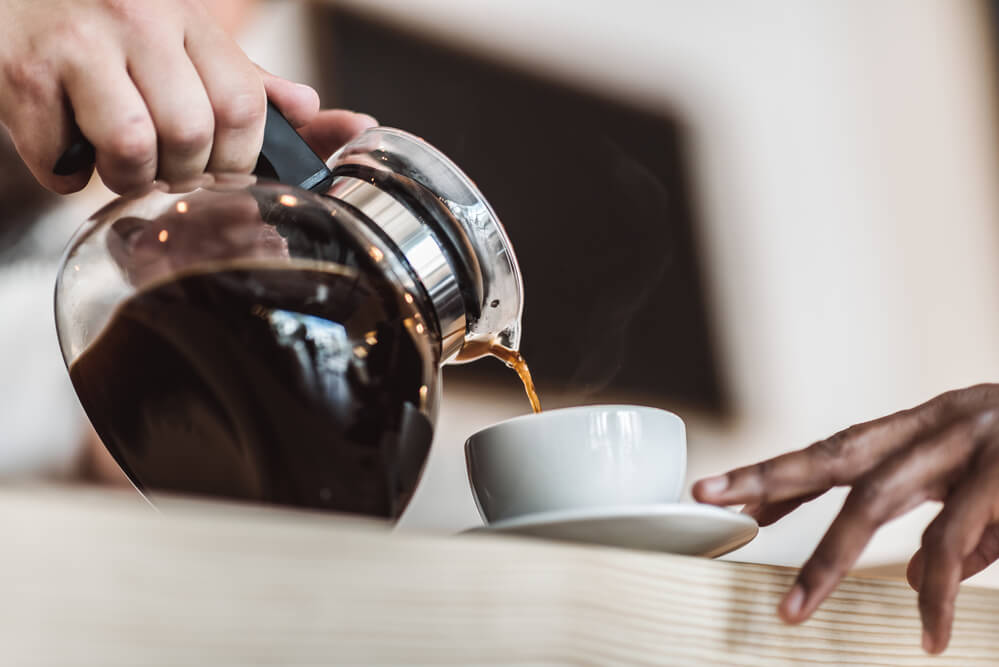
Cold brew and iced coffee are often the entry points for new drinkers — and for good reason. Some people find it considerably easier to get used to coffee starting here.
The difference between the two trips people up. Iced coffee is generally brewed hot and then poured over ice. Cold brew, by contrast, steeps in cold water for an extended period — usually overnight. The result is smoother and less bitter, naturally lower in acidity. Cold brew also tends to be more caffeinated than hot coffee, which surprises a lot of people.
Many iced coffees are loaded with sugar, cream, and flavoring — which means the actual coffee taste takes a back seat. That’s often exactly what beginners are looking for. If you want cold coffee without all the added sweetness, pure cold brew is your best bet. Expect smoky notes with subtle hints of fruit, and a smoothness that makes it easy to drink.
Learning About Coffee
Honestly, the fastest way to learn about coffee is to dive in and taste things. But if you’d rather build some knowledge before you start experimenting, there are good resources available — including, well, this one.
We’ve put together a list of some of our favorite coffee books if you want to go deeper.
One resource that often gets overlooked: your local barista. A skilled barista who cares about their craft loves talking to newcomers. Ask them what they’d recommend for someone just starting out, or why they use a particular grinder. Every good barista I’ve spoken to has been genuinely enthusiastic about these conversations. And if they don’t know something, you can always come back to Full Coffee Roast.
The Best Beans for First-Time Coffee Drinkers:
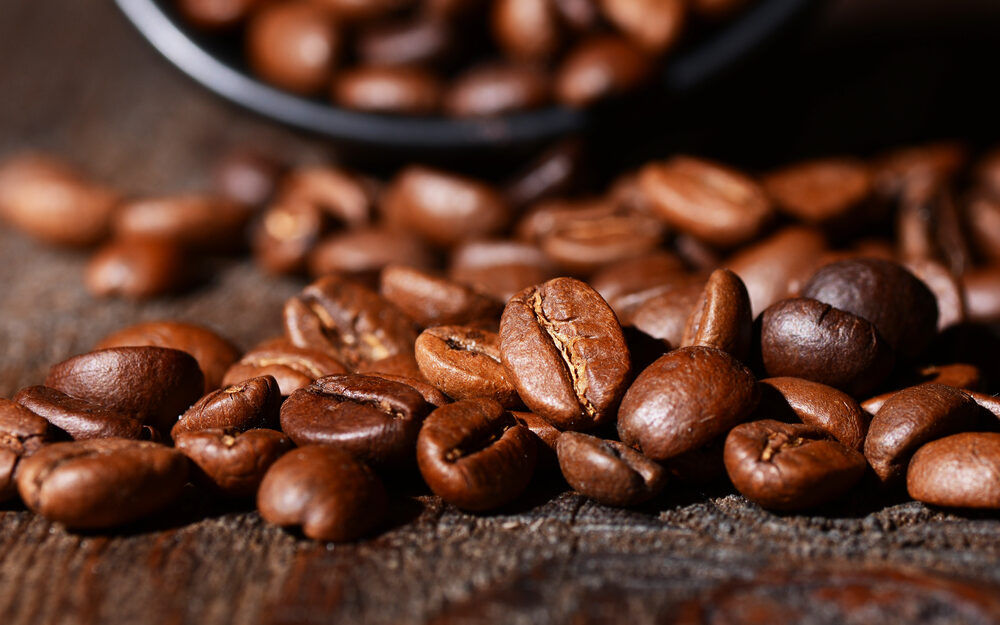
At the bean level, you’re primarily choosing between Arabica, Robusta, or a blend. For first-time coffee drinkers, the answer is pretty clear.
Arabica is the one. It has a smooth, sweet taste with fruity and chocolatey notes that genuinely appeal to people who aren’t yet sure if they like coffee.
Robusta, by contrast, tends to taste bitter and sometimes grainy. It has more caffeine, which experienced drinkers often seek out — but as a starting point, it’s a tough sell. Most people who keep drinking coffee long-term stick with Arabica indefinitely.
The Best Coffee for New Coffee Drinkers
For brewed coffee, the best first-timer options are balanced, lightly roasted, Latin American or African single-origin beans and blends. Here are my favorites for people just starting their coffee journey:
1. Top Shelf Grind Liquid Gold
Despite being marketed as an espresso, this Peruvian coffee brews just as well in an automatic drip or pour-over setup. Liquid Gold is organic, light-roasted, Fairtrade, and ethically sourced — and it goes through extensive quality control to ensure no mold or toxins in the batch.
The flavor notes of chocolate, black tea, and honey go down gently and play well with milk and sugar. It’s not cheap, but it’s worth it — a first coffee experience this good sets expectations in the best possible way.
2. Jeremiah’s Pick Kona Blend
Hawaiian coffees can get expensive, but this Kona blend by Jeremiah’s Pick Coffee Company hits an impressive price point. Kona coffee is known for rich, smooth flavor — exactly what you want for a first impression. This blend combines Colombian Supremo and Kona beans, giving you nutty, caramel-sweet flavors without anything challenging.
Roasted daily for freshness, and it shows. Both newcomers and seasoned drinkers genuinely enjoy this one.
3. Chameleon Day Breaker
A blend of Ethiopian and Colombian beans that strikes a balance between acidity and sweetness. Day Breaker shines as a morning cup — cherry and chocolate notes, clean acidity, works well with or without additions. Certified organic and sustainably sourced.
One Amazon reviewer put it well: “This is literally the best coffee I have made at home. It’s creamy and the chocolate hints come right through. I love that it is organic and it isn’t acidic on my stomach. I just drink it with a little cream, no sugar. I look forward to waking up each day to make myself a cup.”
4. Tim Horton’s Coffee
Tim Hortons has introduced a whole country to coffee — which tells you something about its approachability. It’s a medium-roasted Arabica that works beautifully in almost any brew method and is mild enough to be a good first espresso for someone who’s never had one before.
It also works well for flavored coffees, cold brew, and straight black. As I write this, I’m actually drinking a Tim Hortons cold brew myself.
5. Caribou Coffee Medium Roast Ground Coffee
When you’re just starting out, there’s no reason to spend heavily on specialty beans before you even know if you like coffee. Caribou Coffee solves that problem — it’s affordable, it’s reliable, and it genuinely shows what the medium roast format can do.
Hints of chocolate, hazelnut, and more. It’s a reminder that good coffee doesn’t require a steep price tag — just the right beans and a bit of hot water.
How I Put This List Together
These are coffees I’ve personally brewed and assessed — no paid placements, no guessing based on marketing copy.
I specifically tested each one by handing them to people who were new to coffee or early in their coffee journey — not experienced drinkers who already have strong opinions. The feedback from that group shaped these rankings more than my own preferences did.
Price-to-quality ratio mattered throughout. The most expensive coffee on this list isn’t necessarily the best for a first-time drinker, and some of the more affordable options genuinely won people over in blind taste tests.