
Fasting tea refers to herbal teas consumed during intermittent fasting that do not break your fast—essentially zero-calorie options.
Plain tea without sweeteners or milk contains virtually no calories, making it safe during fasting windows. Some teas may even support the fasting process: green tea provides a gentle energy boost, peppermint can reduce appetite, and ginger settles an empty stomach. We cover which teas work best and which additions will break your fast.
Best Fasting Tea For Intermittent Fasting
1. Green Tea
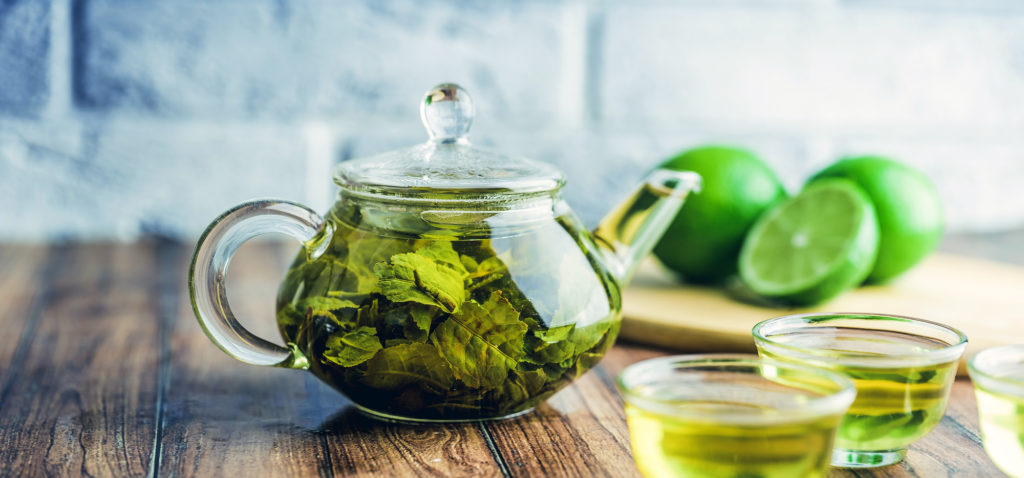
Green tea is said to be one of the healthiest drinks in the world next to pure water. This tea contains compounds known as catechins. These catechins, along with caffeine, can boost your energy and may even help with weight loss.
They also work as antioxidants, which protect cells from the damage caused by free radicals. You might also be interested in our fermented tea guide.
2. Black Tea
Both green tea and black tea are obtained from the exact same plant but the leaves are not processed the same. One of the differences is fermentation; green tea is not fermented, but black tea is. Black tea can also act as a prebiotic, which help promote gut health.
Black tea also contains more caffeine than other true teas, which can be helpful especially if you’re feeling inactive at the start of your intermittent fasting process.
3. Ginger Tea
Drinking ginger tea is an excellent way to soothe a queasy stomach. Additionally, it may help improve your digestion and boost your immune system.
4. Hibiscus Tea
Hibiscus flower are known for their beautiful appearance and potential benefits. Hibiscus tea can help to keep your skin healthy, glowing, and young-looking. It can also detox your body and keep it hydrated, making your skin look supple and moisturized.
Unlike some other teas, hibiscus tea does not have caffeine in it so it won’t perk you up if you’re feeling tired.
5. Rooibos Tea
Just like hibiscus tea, rooibos tea is also caffeine-free – perfect if you’re looking for something to drink especially in the evening time. Rooibos tea can also help your body metabolize fat better, making it a great fasting support tea.
6. Mint Tea
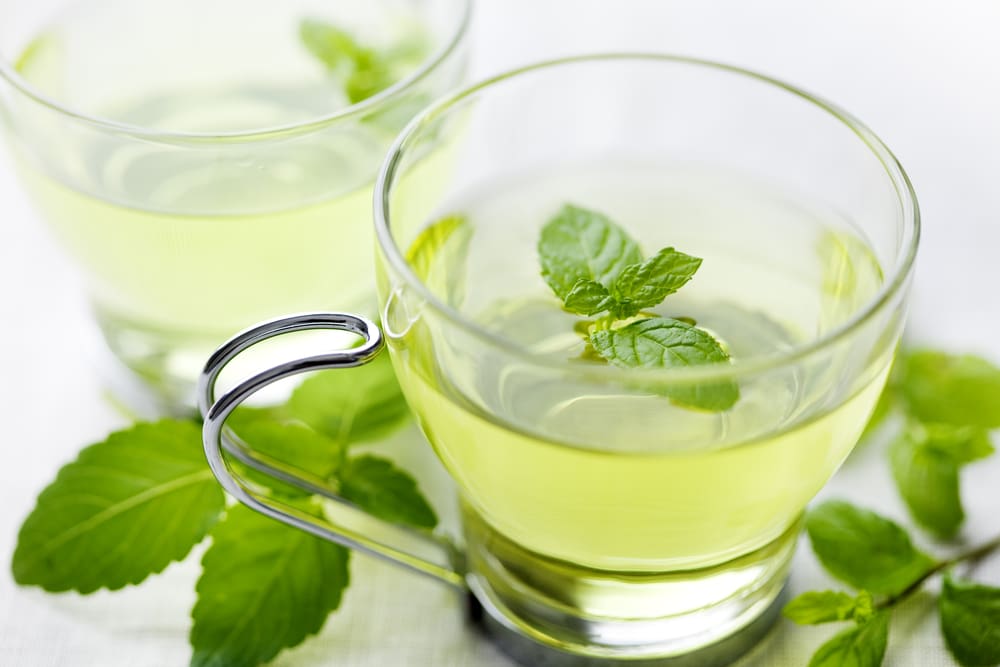
Mint can soothe an upset stomach. Drinking mint tea can improve your digestion, and reduce inflammation and pain. In addition to that, it can also calm the mind, improve oral health, and boost the immune system.
7. Dandelion Root Tea
Dandelion root tea can act as a natural diuretic. It can help boost the immune system and balance blood sugar levels. It can also give relief to heartburn, and soothe digestive problems.
Fasting Tea Benefits During Intermittent Fasting
Helps in increasing satiety
At the beginning of your fasting period, hunger pangs are almost inevitable. You must wait at least 4 hours to enter the fasting state – this is to ensure you have digested all the food that you’ve consumed. However, you may suffer from hunger pangs especially if you’re new to fasting.
Fasting tea can help in keeping the hunger hormones under control and avoid hunger pangs. These hormones can sometimes activate even though the body isn’t hungry or starving. Drinking fasting tea may help to keep them in check.
Supports cell health
Tea leaves contain compounds known as polyphenols. Polyphenols are antioxidants that help fight free radical damage. This is good for maintaining overall health and vitality. What’s exciting about this is that you can get all these health benefits at the cost of zero calories!
Promotes calming energy
The lower levels of caffeine in fasting tea can give you a clean boost in energy. Clean because caffeine works differently in tea and in coffee. Black and green tea are a synergistic mixture of caffeine and L-theanine, an amino acid that helps in reducing anxiety, and promotes relaxation without drowsiness.
Even the habit of simply holding a cup of warm tea can also naturally calm your mind, too.
More weight loss
Studies show that polyphenols in tea – particularly green tea – could be very helpful for people wanting to lose some weight. It is due to the caffeine and the reaction within the gut microbiome that triggers increased fat burning, which encourages more weight loss.
How Much Fasting Tea Can You Drink While Intermittent Fasting?
To reap the benefits, you should consume three cups of tea per day during a fasting period. Keep in mind if you’re making hot tea, oxidation and heat can destroy the polyphenols and the catechins.
So, are there any other ways to reap the potential fasting tea benefits? Yes! Cold brewing is a life saver – it allows the catechins and polyphenols to flourish without being destroyed. So, one cup of cold tea is arguably better than several warm teas.
If your fast is for 16 hours, consuming several cups of fasting tea can be a great aid. The feeling of drinking a cup of tea can make a fast seem more bearable. Also, during a fast, it is very important to stay hydrated.
You may experience a headache and other illnesses if you’re dehydrated – drinking fasting tea can combat this. Fasting tea can bring comfort during a cold, winter day.
With all the health benefits on offer, you can’t possibly go wrong with this tea!
The Bottom Line
Here’s the practical takeaway after researching and testing this extensively:
Theory is great, but real-world application is messier. We’ve found that understanding the ‘why’ behind coffee science helps you troubleshoot when things go wrong—and they will. Your water, your beans, your grinder, and even humidity levels create variables that no guide can perfectly account for.
Start with the fundamentals in this article, but don’t be afraid to experiment. Some of our best cups have come from “mistakes” that turned into happy accidents. Coffee brewing rewards curiosity.