
The first time I ordered a coffee old fashioned at a cocktail bar in Nashville, I knew I was in trouble. Not because it was bad — because it was so good that I knew I would be making them at home obsessively for the foreseeable future. And that is exactly what happened.
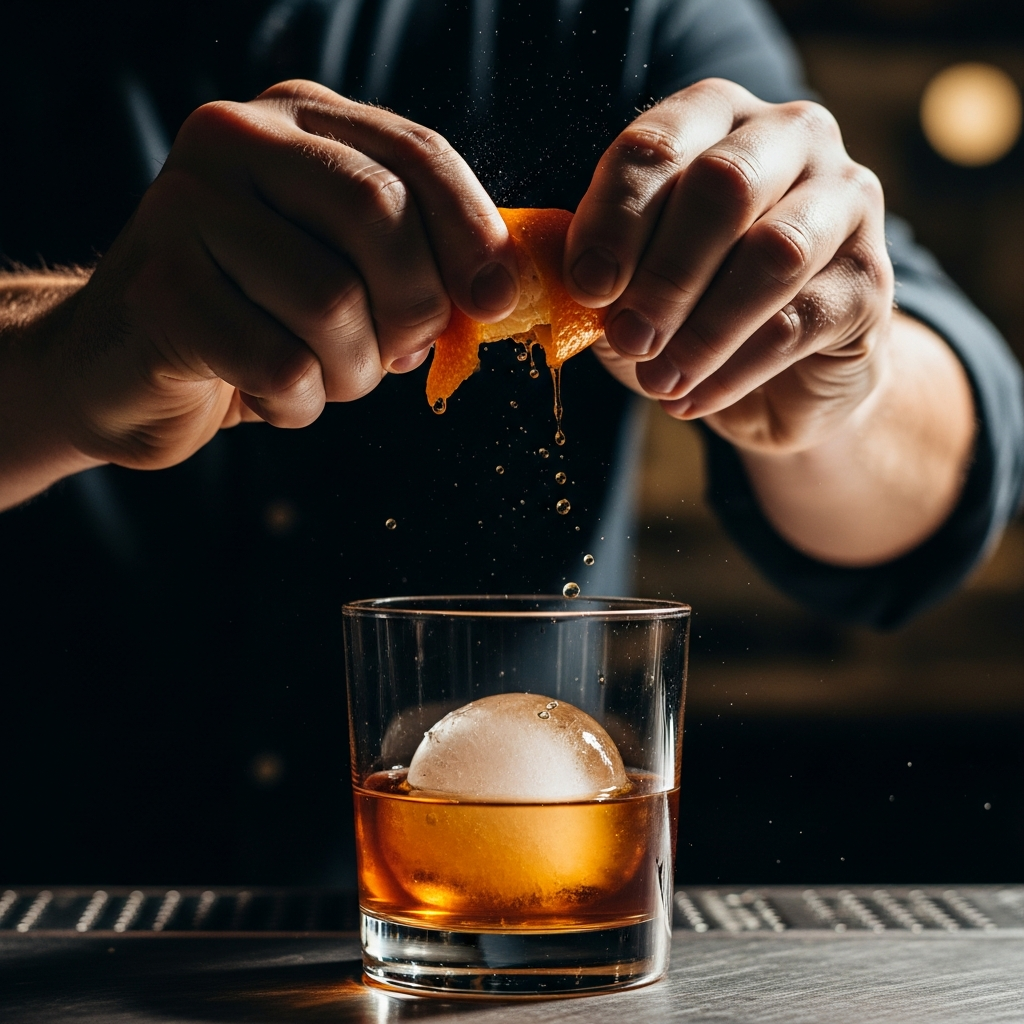
The coffee old fashioned is having a moment right now, showing up on craft cocktail menus from Brooklyn to Portland. It makes perfect sense when you think about it: bourbon already has natural vanilla, caramel, and oak flavors that overlap beautifully with coffee. Adding cold brew to an old fashioned does not create a conflict — it creates a harmony. The coffee deepens the bourbon’s complexity without overwhelming it.
I have spent the better part of a year testing two distinct methods for making this drink. One involves infusing bourbon directly with coffee beans. The other is a direct pour of cold brew concentrate. Both are excellent, but they produce meaningfully different drinks. I am going to walk you through both methods, tell you which one wins for which occasion, and give you a batch recipe for parties that will make you the most popular host in your friend group.
Why Coffee and Bourbon Work So Well Together
This is not just a trendy pairing — there is actual flavor science behind it. Bourbon aged in charred oak barrels develops compounds like vanillin (vanilla), lactones (coconut and caramel), and tannins. Coffee, especially medium to dark roasts, develops similar compounds through the roasting process: caramelized sugars, Maillard reaction products that taste like chocolate and toffee, and its own set of tannins.
When you combine them, those shared flavor compounds reinforce each other. The vanilla in the bourbon amplifies the caramel in the coffee. The roasty bitterness of the coffee enhances the oak-char character of the bourbon. It is one of those pairings where 1 + 1 = 3.
Method 1: Cold Brew Infusion (The Subtle Approach)
This is the method for people who want a proper old fashioned with coffee as a background note rather than a co-star. You infuse the bourbon directly with whole coffee beans, then make a standard old fashioned with the infused bourbon. The result is elegant, nuanced, and bourbon-forward with just a whisper of coffee complexity.
Ingredients for Coffee-Infused Bourbon
- 750 ml bourbon (Buffalo Trace is my go-to — more on bourbon selection below)
- 1/3 cup whole coffee beans (medium roast, coarsely cracked)
- A clean mason jar or bottle with a tight seal
Infusion Steps
- Add the cracked coffee beans to your mason jar. To crack the beans, put them in a zip-lock bag and press them with a rolling pin — you want roughly cracked, not ground. Ground coffee will over-extract and make the bourbon taste bitter and gritty.
- Pour the bourbon over the beans and seal the jar tightly.
- Store at room temperature in a dark place for 12-24 hours. Start tasting at 12 hours. I find 18 hours is the sweet spot for most bourbons — you get clear coffee flavor without it overpowering the bourbon character.
- Strain through a fine mesh strainer lined with a coffee filter to remove all bean particles. This double-straining step is important — any tiny grounds that get through will make the bourbon cloudy and slightly bitter over time.
- Store the infused bourbon in a clean bottle. It keeps indefinitely at room temperature (it is still bourbon, after all), but the coffee flavor is most vibrant in the first 2-3 weeks.
Making the Old Fashioned with Infused Bourbon
Ingredients:
- 2 oz coffee-infused bourbon
- 0.25 oz simple syrup (or one sugar cube muddled with a splash of water)
- 2 dashes chocolate bitters
- Orange peel for garnish
- 1 large ice cube
Steps:
- Combine the coffee-infused bourbon, simple syrup, and chocolate bitters in a mixing glass with ice.
- Stir for 25-30 seconds. An old fashioned should always be stirred, not shaken — stirring keeps the drink crystal clear and gives it a silky texture.
- Strain into a rocks glass over a single large ice cube.
- Express an orange peel over the glass: hold the peel about 2 inches above the drink, skin side down, and give it a firm squeeze. You will see a fine mist of citrus oils spray across the surface. Drop the peel into the drink.
Method 2: Direct Pour (The Coffee-Forward Approach)
This is the method for people who want to taste the coffee front and center. Instead of infusing the bourbon, you add cold brew concentrate directly to the cocktail. The result is bolder, more coffee-forward, and slightly more complex because you have two distinct liquids interacting rather than a single infused spirit.
Ingredients
- 2 oz bourbon (Buffalo Trace, Maker’s Mark, or Woodford Reserve)
- 1 oz cold brew concentrate (not regular cold brew — you need the concentrated stuff, about a 1:4 coffee-to-water ratio)
- 0.25 oz simple syrup (increase to 0.5 oz if your cold brew is particularly bitter)
- 2 dashes chocolate bitters (Angostura Cocoa Bitters or Fee Brothers Aztec Chocolate)
- Orange peel for garnish
- 1 large ice cube
Steps
- Combine bourbon, cold brew concentrate, simple syrup, and bitters in a mixing glass filled with ice.
- Stir for 25-30 seconds. The cold brew adds volume, so you may need an extra 5 seconds of stirring to achieve the right dilution.
- Strain into a rocks glass over a large ice cube.
- Express an orange peel over the surface and drop it in.
Which Method Is Better?
After making both versions more times than I care to admit, here is my verdict:
Use the infusion method when: You are serving cocktail enthusiasts who appreciate subtlety, you want a spirit-forward drink where bourbon is the star, or you are making cocktails for a dinner party and want something sophisticated without being “weird.” This version feels like a proper craft cocktail.
Use the direct pour when: You want to taste the coffee clearly, you are making it for yourself on a weeknight and do not want to plan 24 hours ahead, or you are serving people who specifically asked for a “coffee cocktail.” This version is more approachable and more obviously coffee-flavored.
If I had to pick one for the rest of my life, I would pick the infusion method. But the direct pour is what I actually make more often because it requires zero advance planning.
Choosing the Right Bourbon
Not all bourbon works equally well here. You want a bourbon with prominent vanilla and caramel notes that will harmonize with the coffee rather than fight it. Here are my picks:
Best overall: Buffalo Trace. Vanilla-forward with hints of caramel and toffee. At around $25-30 a bottle, it is the best value for coffee cocktails. The vanilla notes in particular sing when paired with coffee.
Best for the infusion method: Maker’s Mark. The wheat in Maker’s Mark (instead of rye) gives it a softer, sweeter profile with lots of caramel. That sweetness holds up beautifully through the coffee infusion process without getting lost.
Best for the direct pour: Woodford Reserve. More complex than Buffalo Trace, with chocolate and dried fruit notes that add interesting layers when combined directly with cold brew. The higher proof (90.4) also means it stands up to the dilution from the cold brew without becoming thin.
Avoid: High-rye bourbons or rye whiskey. Bourbons with a lot of rye in the mash bill (like Bulleit or Four Roses Single Barrel) have spicy, peppery notes that clash with coffee’s bitterness. You end up with a drink that is spicy, bitter, and unbalanced. Stick with wheated or vanilla-forward bourbons.
The Bitters Question: Chocolate vs Angostura
A traditional old fashioned uses Angostura bitters, and they work fine here. But chocolate bitters are genuinely better in a coffee old fashioned, and I will die on this hill.
Chocolate bitters bridge the gap between coffee and bourbon by adding cocoa and dark chocolate notes that both ingredients already hint at. It is like turning up a flavor that was already in the mix. Angostura, with its warm spice and gentian root profile, works but adds a different direction that can feel slightly at odds with the coffee.
My top picks: Angostura Cocoa Bitters (widely available), Fee Brothers Aztec Chocolate Bitters (more complex, with hints of cinnamon and chili), or Bittermens Xocolatl Mole Bitters (the most interesting option — spicy chocolate with a mole-like complexity).
If you only buy one bottle, get the Angostura Cocoa Bitters. They are available at most liquor stores and work perfectly in this drink. If you enjoy building flavored coffee drinks at home, you might also want to explore our guide to making caramel iced coffee, which covers complementary flavor-building techniques.
Batch Recipe for Parties
The coffee old fashioned is one of the best batch cocktails I know. You can make a jar of it, keep it in the fridge, and just pour it over ice whenever someone wants one. No measuring, no mixing, no fuss. Here is a batch that makes about 8 drinks:
Batch Ingredients
- 16 oz (2 cups) coffee-infused bourbon (use the infusion method above — the direct pour method does not batch as well because the cold brew can get stale)
- 2 oz simple syrup
- 16 dashes chocolate bitters (about 1 teaspoon)
- 2 oz water (this replaces the dilution you would normally get from stirring with ice)
Batch Steps
- Combine all ingredients in a large jar or bottle. Stir or shake to combine.
- Refrigerate for at least 2 hours (overnight is better).
- To serve: pour 3 oz of the batch into a rocks glass over a large ice cube. Express an orange peel over the top.
- The batch keeps in the fridge for up to 2 weeks. The coffee flavor actually mellows and integrates with the bourbon over time, so day 3-7 is often the sweet spot.
This batch recipe has saved me at multiple dinner parties. I just pull the jar out of the fridge, pour, garnish, done. It looks impressive, tastes amazing, and nobody needs to know it took 30 seconds to prepare.
The Orange Peel Garnish Technique
The orange peel is not decoration — it is a functional part of the drink. The oils expressed from the peel add citrus aromatics that brighten the coffee-bourbon combination and add a layer of complexity that ties everything together. Here is the technique:
- Using a sharp vegetable peeler or paring knife, cut a 1 x 3 inch strip of orange peel. Try to get just the orange zest with minimal white pith — the pith adds bitterness you do not want.
- Hold the peel about 2 inches above the finished cocktail, orange side (skin side) facing down toward the drink.
- Give it a sharp, firm squeeze between your thumb and forefinger. You should see a fine mist of orange oil spray across the surface of the drink. If you hold it near a lit match, the oils will actually ignite briefly — this is called a flamed orange peel and it adds a slight caramelized citrus note.
- Run the peel around the rim of the glass, then drop it into the drink.
Variations Worth Trying
Maple Coffee Old Fashioned: Replace the simple syrup with 0.25 oz of real maple syrup (grade A dark). The maple’s woodsy sweetness is incredible with bourbon and coffee. This is my go-to fall/winter variation.
Smoked Coffee Old Fashioned: Smoke the glass with a smoking gun or by burning a cinnamon stick inside an inverted glass. The smoke adds another layer that plays beautifully with the char notes in the bourbon and the roasty notes in the coffee.
Decaf Version: For evening drinking, use decaf cold brew or infuse the bourbon with decaf beans. The flavor difference is negligible, and you will actually be able to sleep. I have switched to decaf for any coffee cocktail I make after 7 PM and have never once regretted it.
Non-Alcoholic Version: Cold brew concentrate + chocolate bitters (they contain trace alcohol but used in dashes) + simple syrup + orange peel, stirred with ice and strained. It is not an old fashioned, but it is a surprisingly satisfying mock cocktail that scratches the same itch. Pair it with some of the creative coffee drinks we have covered for more no-booze inspiration.
Frequently Asked Questions
Can I use rye whiskey instead of bourbon?
You can, but I do not recommend it. Rye whiskey’s spicy, peppery character competes with coffee’s bitterness rather than complementing it. The result is a drink that is bitter and spicy without enough sweetness to balance it. If you want to try it, use a rye with some sweetness (like Rittenhouse) and increase the simple syrup to 0.5 oz. But bourbon is the correct choice for this drink.
How long should I infuse the bourbon with coffee beans?
Between 12 and 24 hours at room temperature. I find 18 hours to be the sweet spot — enough time for the coffee flavors to integrate without overpowering the bourbon. Start tasting at 12 hours and strain when it tastes right to you. Going beyond 24 hours risks extracting bitter, astringent compounds from the beans that make the bourbon taste harsh.
What kind of cold brew should I use for the direct pour method?
You need cold brew concentrate, not regular-strength cold brew. Concentrate is brewed at about a 1:4 ratio of coffee to water and is meant to be diluted before drinking straight. If you use regular cold brew (which is already diluted to drinking strength), the cocktail will taste watery and the coffee flavor will get lost behind the bourbon. Most grocery store cold brews labeled “concentrate” will work. Or make your own by steeping 1 cup of coarsely ground coffee in 4 cups of cold water for 18-24 hours, then straining.
Is a coffee old fashioned a dessert cocktail?
It can be, but I think of it more as an after-dinner sipper than a dessert drink. It is not sweet like a White Russian or an espresso martini. The sweetness level is comparable to a regular old fashioned — just enough to balance the bitterness, but not enough to taste like dessert. That said, the maple variation leans more toward dessert territory, and the smoked version is pure savory sophistication. If you are looking to explore more coffee cocktails beyond this one, check out our roundup of coffee cocktail recipes that go far beyond the espresso martini.