
Okay so this is going to sound ridiculous. Bear with me.
It was a Wednesday. Pouring rain, mid-July, and I was ducking into this tiny cafe in Stockholm because my shoes were soaked and I needed to kill an hour before meeting a friend. The barista handed me a tall glass with ice and something dark swirling through clear, fizzy liquid. I stared at it. Looked at him. Looked back at the glass.
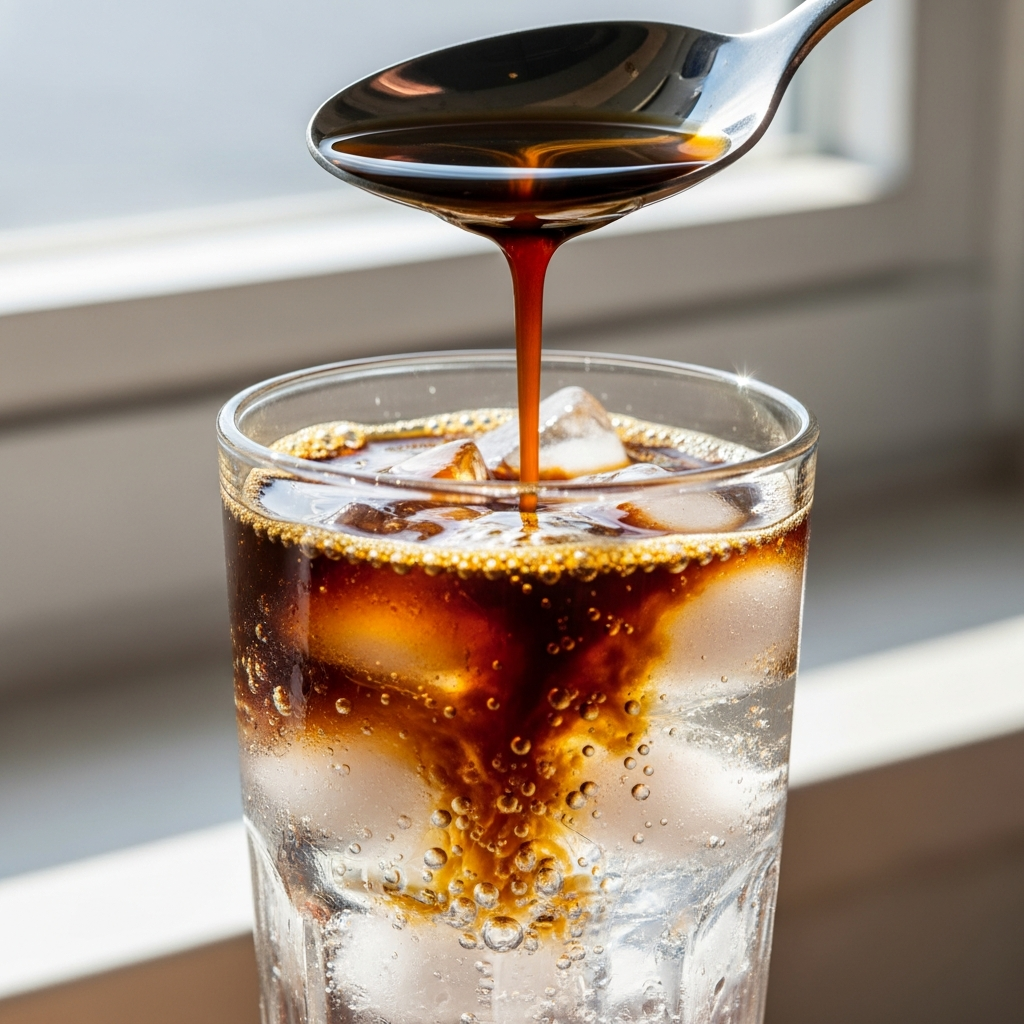
“You put… espresso in tonic water?”
He just smiled. That knowing, patient smile Europeans give Americans when we’re being predictably American about food. Five minutes and one sip later, I ordered a second one and texted my wife a blurry photo captioned “THIS EXISTS.” She wrote back “what am I looking at.” Fair.
Here’s the thing though. I wasn’t converted on that first sip. Not even close. The first sip was confusing — bitter and bubbly and my brain genuinely could not categorize what was happening on my tongue. But by sip three or four something clicked. The quinine from the tonic and the roastiness of the espresso sort of… stopped fighting each other and started cooperating. The carbonation made everything feel bright and alive. By the time I hit the bottom of the glass I was already scheming about how to make this at home. (I’m that person. My wife is very patient.)
Espresso tonic has been huge across Europe for years — massive in Scandinavia, all over Spain and the Netherlands. Basically invisible in America until very recently, and even now most people look at you sideways when you describe it. Coffee. In tonic water. On purpose. I get the skepticism. But this is genuinely one of the most refreshing things you can put in a glass on a hot day, and once it clicks for you, every muggy afternoon becomes an excuse to make one.
Here’s everything I’ve figured out after making probably hundreds of these at home — the right technique, the best tonic water, flavor twists that take it from good to extraordinary, and an honest answer to the question everyone asks: does this actually taste good?
What Is an Espresso Tonic?
It’s exactly what it sounds like: a shot of espresso poured over tonic water and ice.
That’s it. Two ingredients plus ice. The recipe could fit on a Post-it note.
But here’s the thing — the magic is in the technique and what happens when those two ingredients collide. When you pour espresso slowly over cold tonic water, something genuinely stunning happens. The dark espresso cascades through the clear, bubbly tonic in these swirling ribbons, creating a layered effect that honestly looks like a thunderstorm in a glass. I stood there the first time I made one at home just watching it for like thirty seconds. My daughter asked what was wrong with me. Fair question.
It eventually settles into this beautiful amber gradient — dark on top, lighter at the bottom. Probably the most photogenic coffee drink that exists. And it tastes as interesting as it looks.
The flavor is unlike any coffee drink you’ve had. The bitterness of espresso meets the quinine bitterness of tonic, and instead of just doubling down on bitter (which is what I expected), they somehow balance each other out. The carbonation lifts everything and makes it bright and effervescent. It’s the polar opposite of a heavy, milky latte — this is crisp, refreshing, and actually thirst-quenching. Like, you’d drink this at the beach. You’d drink this after mowing the lawn. It’s THAT kind of refreshing.
The Classic Espresso Tonic Recipe
Let me walk you through the basic recipe first, then we’ll get into the technique stuff that separates a great espresso tonic from a forgettable one.
Ingredients
- 1 double shot of espresso (about 2 oz), freshly pulled
- 6 oz tonic water, well chilled
- Ice cubes (the more, the better — fill the glass completely)
Equipment
- Espresso machine, moka pot, or AeroPress (you need concentrated coffee)
- A tall highball glass (12-16 oz capacity)
- A bar spoon or regular spoon for the slow pour technique
Step-by-Step Instructions
Step 1: Chill your glass and fill it with ice. Pack your highball glass completely with ice cubes. More ice is better — seriously, jam it full. You want the tonic and espresso to stay as cold as possible throughout. A warm espresso tonic is… not great. Pretty bad, actually. If you’ve got 10 minutes, toss the glass in the freezer beforehand. Makes a noticeable difference.
Step 2: Pour the tonic water over the ice. Open a fresh bottle — and I cannot stress this enough, it needs to be FRESH. Flat tonic is a disaster in this drink. Pour 6 oz over the ice. This is why I buy the small bottles instead of those big liter ones that go flat after you open them once. The bubbles are essential to literally everything about this drink — the taste, the look, the whole experience.
Step 3: Pull your espresso and let it cool for 15-20 seconds. This is a step most people skip, and you can taste the difference. If you pour boiling-hot espresso straight onto the tonic, two bad things happen: the heat murders the carbonation instantly, and the thermal shock makes everything taste more bitter and flat. Just wait 15-20 seconds. Not room temp — just slightly cooled. That brief pause preserves the tonic’s fizz and creates a way better visual cascade. Patience!
Step 4: Pour the espresso VERY slowly over the back of a spoon. Okay — this is the make-or-break moment. The whole reason this drink is special. Hold a spoon upside down just above the tonic’s surface and pour the espresso in a thin stream over the back of it. The espresso will cascade through the tonic in these beautiful dark ribbons — that’s the signature layered look that makes people reach for their phones. If you just dump the espresso straight in? Brown, flat, boring mess. The slow pour is non-negotiable. (I messed this up my first three attempts at home and kept getting ugly brown drinks. Once I nailed the spoon technique — completely different drink.)
Step 5: Serve immediately. Don’t stir it. I know that’s counterintuitive, but the layered look is half the experience. Let the person drinking it decide when to mix — some people love sipping through the layers, getting mostly tonic first, then the blended middle section, then concentrated espresso at the bottom. Others stir right away. Both are totally valid. My preference? I let it sit layered for the first few sips, then stir about halfway through.
Which Tonic Water Works Best?
Look, I went a little overboard testing tonic waters for this. Like, embarrassingly overboard. My recycling bin was full of tiny tonic bottles for weeks. But the differences are genuinely bigger than you’d expect — this isn’t one of those “use whatever” situations.
Best overall: Fever-Tree Indian Tonic Water. This is the gold standard and it’s not even close. Clean, balanced bitterness with subtle citrus notes, and — this is key — it’s less sweet than most commercial tonics. Lower sugar means the coffee flavors actually come through instead of getting buried. It holds its carbonation well too, which matters for that cascading effect. This is what most European cafes use. If you can only buy one tonic water, make it this one.
Runner-up: Fever-Tree Mediterranean Tonic. More herbal and floral than the Indian version. Adds a botanical dimension that pairs surprisingly well with medium-roast espresso. Worth trying if you want something more complex. I go back and forth between this and the Indian depending on my mood.
Acceptable: Q Tonic Water. Clean, not too sweet, good carbonation. Solid if you can’t find Fever-Tree.
Not recommended: Schweppes or Canada Dry. Way sweeter than Fever-Tree — basically sugar water with quinine. All that sweetness muddles everything. The coffee and tonic flavors kind of get lost in a sugary haze. If Schweppes is all you’ve got, it’ll technically work, but cut the tonic down to about 4 oz to compensate. You’ve been warned.
Hard pass: Diet or zero-calorie tonic. The artificial sweeteners interact with the coffee bitterness and create this metallic aftertaste that’s genuinely awful. I tried it once — one sip, poured it straight down the drain. Life’s too short.
Does Espresso Tonic Actually Taste Good? An Honest Answer
Let me just address this head-on, because I know it sounds weird. Coffee and tonic water. Together. On purpose. In the same glass.
Yes. It genuinely does taste good. BUT — and this is important — it probably won’t click on the first sip. If you’re used to sweet, creamy coffee drinks, your brain needs a second to recalibrate what it’s experiencing. That first sip is bitter, bubbly, and kind of confusing. Your taste buds are going “wait, what IS this?” By the third sip though, something clicks. You start picking up on the layers — citrus from the tonic, chocolate and caramel notes from the espresso, the way the carbonation makes everything feel light and alive.
The people who absolutely love this drink tend to be the same people who enjoy black coffee, good IPAs, Aperol Spritzes, or pretty much any drink where bitterness is a feature and not a bug. If you put three sugars in your coffee and only drink fruity cocktails — honestly? This probably isn’t your thing. And that’s fine. Not every drink is for everyone.
My advice: make it once with good tonic (Fever-Tree, please) and decent espresso. Give it three sips before you form an opinion. If you love it — congrats, you just found your new summer obsession. If not, try the orange peel or vanilla variations below. Those are way more approachable for people who find the classic too aggressive.
5 Flavor Variations That Elevate the Basic Recipe
The classic is great on its own, but these twists add interesting dimensions without making things complicated. I’ve tested all of them — some multiple times — and these are the five that earned a permanent spot in my rotation.
1. Orange Peel Espresso Tonic
My personal favorite. The one I make most often at home — probably three or four times a week in summer. Before adding tonic, drop a 2-inch strip of orange peel into the glass with the ice. The citrus oils infuse subtly into the tonic and create this beautiful bridge between the coffee and quinine flavors. Use a vegetable peeler to cut the strip and try to avoid the white pith (it adds bitterness you don’t want on top of the bitterness you DO want). Give the peel a good twist over the glass before dropping it in — that expresses the oils and you can literally see them shimmer on the surface. So good.
2. Vanilla Espresso Tonic
Add about 0.25 oz (roughly 1.5 teaspoons) of vanilla syrup to the tonic before pouring the espresso. This softens the bitterness just enough to make the drink more approachable without turning it into a sugar bomb. Great for first-timers or anyone who found the classic version a bit too intense. Don’t go overboard with the syrup though — dump too much in and you’ll kill the refreshing quality that makes this drink special in the first place. If you’d rather make your own vanilla syrup, I’ve got a guide to homemade coffee syrups and flavored coffee drinks that covers the technique.
3. Lavender Espresso Tonic
Add 0.25 oz of lavender syrup to the tonic water. I know some people think lavender in drinks is overrated and too “spa-water” — but with espresso tonic, the floral notes contrast with the roasty coffee in a way that’s actually elegant and kind of unexpected. To make the syrup at home: simmer 1 cup water with 1 cup sugar and 2 tablespoons dried culinary lavender for 5 minutes, then strain. Keeps about 3 weeks in the fridge. Batch it on a Sunday and you’re set for weeks of fancy-feeling drinks.
4. Grapefruit Espresso Tonic
Swap regular tonic for grapefruit-flavored tonic water (Fever-Tree makes a solid one), or just add a splash of fresh grapefruit juice — maybe 0.5 oz — to regular tonic. The grapefruit amplifies citrus qualities that are already hiding in good espresso and gives the whole drink this gorgeous pink tinge. This version leans HARD into the bitter-citrus thing. Perfect if you’re already a fan of Campari or grapefruit Perrier.
5. Rosemary Espresso Tonic
Toss a small sprig of fresh rosemary into the glass with the ice before you pour the tonic. The herbal, piney aroma adds a savory complexity that plays surprisingly well with bitter tonic and roasty espresso. Lightly muddle the rosemary first — just press it a few times, don’t destroy the poor thing — to release the oils. This version feels like something a fancy cocktail bar would charge you $16 for. Except you made it in your kitchen for about $1.50 while wearing socks with holes in them. (Just me? Okay.)
The Alcoholic Upgrade: Espresso Tonic Cocktail
One of the best things about espresso tonic is that the non-alcoholic version already feels like a real cocktail — complex, interesting, something you’d happily sip at a bar. But if you want to make it an actual cocktail, it takes to spirits beautifully.
Espresso Gin Tonic: Add 1 oz of London Dry gin (Beefeater or Tanqueray — nothing too fancy) to the tonic before pouring the espresso. The botanicals in the gin — juniper, citrus, coriander — play incredibly well with both coffee and tonic. It’s basically a G&T that went to espresso school, and it’s stunning. This is my go-to cocktail party move.
Espresso Vodka Tonic: Add 1 oz vodka to the tonic before the espresso pour. Vodka adds the kick without competing with what the coffee and tonic are already doing. Best choice if you want alcohol in the picture without changing what the drink fundamentally tastes like.
Espresso Mezcal Tonic: For the adventurous — add 0.5 oz of mezcal. That smoky, slightly funky quality adds a whole new dimension. Polarizing? Absolutely. Fascinating? Also absolutely. Start with less mezcal than you think you need. Trust me on that one.
If you’re into the whole coffee-meets-cocktails world, our guide to making a carajillo covers another dead-simple two-ingredient coffee cocktail that’s been blowing up lately. And for a broader look at mixing caffeine with spirits, check out our tea and alcohol combinations too — some genuinely great stuff in there.
Getting the Instagram-Worthy Layered Look
That cascading visual effect is a huge reason people fall in love with this drink. I’ve nailed it and I’ve completely botched it — many times both ways. Here’s what I’ve learned:
Use a tall, clear glass. Highball is ideal — the height gives the espresso more room to cascade and the clear glass lets you actually witness the show. A short rocks glass doesn’t give enough height for the drama. And honestly the drama is like half the point.
Maximum ice. Fill that glass ALL the way before adding tonic. The cubes create little channels and obstacles that the espresso has to navigate through, which makes the cascade way more dramatic and beautiful. Not enough ice and the espresso just plops in and mixes immediately. Boring.
Cold tonic, slightly cooled espresso. The temperature difference between the two liquids is what creates the visual layers. Same temperature? They just mix instantly — no layers at all. Bigger temperature gap = layers hold longer. But the espresso can’t be too hot or it murders the carbonation. That 15-20 second cooling window after pulling the shot is the sweet spot.
Pour over a spoon, not directly. Most important technique of the whole thing. Hold the rounded back of a spoon just touching the tonic’s surface and pour the espresso onto it in a thin, steady stream. The spoon disperses the espresso across the surface instead of letting it plunge straight down. That’s what gives you those gorgeous ribbon-like streams instead of one big brown blob. (I practiced this over the sink about four times before I got it right. Worth it.)
Pour right after pulling the espresso. Fresh espresso has more crema — that golden foam layer — and the crema actually helps with layering because it has a different density than the liquid underneath. Let the espresso sit too long, the crema dissipates, and you lose some visual drama. Speed matters here.
Best Espresso for Espresso Tonic
Not all espresso is created equal for this drink. Here’s what I’ve found after way too much testing:
Roast level: Medium roast is the sweet spot. Enough body and those chocolate/caramel sweetness notes to balance the tonic’s bitterness, without the ashy, burnt flavors that dark roasts can bring. Light roasts can work but they often taste thin and overly sour against the tonic — kind of jarring. If you’ve got a Nespresso machine, check out our Nespresso Vertuo recipe collection for pods that pull great shots for mixed drinks.
Single origin vs blend: Single origins with fruity or citrusy notes — Ethiopian, Kenyan — make the most interesting espresso tonics because those fruit notes play off the tonic’s citrus character in this really cool way. But a solid Brazilian or Colombian blend with chocolate and nut notes also works beautifully. Honestly both approaches are good, just different.
Brewing method: A real espresso machine gives the best results — crema, concentration, the right body. Moka pot is a solid second. AeroPress works if you brew it concentrated (less water, fine grind), but no crema. Regular drip coffee or French press? Too weak and dilute. It’ll pretty much taste like dirty tonic water. Not good.
Troubleshooting Common Issues
“My espresso tonic tastes too bitter.” Probably a dark-roast espresso or a tonic that’s too dry (high quinine, low sugar). Switch to a medium roast and grab Fever-Tree Indian Tonic — it has a touch more sweetness than their other varieties. Or just drop 0.25 oz of simple syrup into the tonic before the espresso goes in. No shame in that.
“The drink went flat immediately.” Your espresso was too hot. Let it cool 15-20 seconds after pulling — that’s the fix. Also make sure your tonic is properly chilled. Hot liquid kills carbonation on contact. And pour slowly over a spoon — dumping it in agitates everything and releases all the CO2 at once.
“I can’t get the layers to form.” Three things to check: more ice (it creates physical barriers), slower pour (use the back of a spoon, barely a trickle), and a taller glass (more distance for the cascade). If you’re pouring carefully and still getting nothing — your tonic might just be flat. Always crack a fresh bottle. Those half-empty bottles from last weekend aren’t going to cut it.
“It tastes watery.” Your coffee isn’t concentrated enough. This drink NEEDS real espresso or something close to it — a double shot, about 2 oz, properly concentrated. Brewed coffee won’t cut it. The tonic completely overwhelms diluted coffee and you just end up with weird-tasting tonic water.
Frequently Asked Questions
Is espresso tonic alcoholic?
Nope. Just espresso, tonic, and ice. That’s actually why I love it — you get cocktail-level complexity without any booze. Perfect “I’m not drinking tonight” order at a bar. You can add gin or vodka if you want (see above), but the classic stands on its own.
How many calories are in an espresso tonic?
Roughly 80-90 with regular tonic. Almost all from the tonic’s sugar — the espresso is basically zero. Fever-Tree Refreshingly Light drops it to around 40 calories. Full-sugar tonic does taste better in this drink though, I won’t lie.
Can I make espresso tonic with cold brew instead of espresso?
Honestly? It’s a different drink at that point. You lose the crema (which helps with the pretty layers) and the temperature contrast (which creates the cascade). Cold brew tonic is its own thing — tasty, but more of a cousin than a substitute. Use concentrate if you go this route, not regular-strength cold brew.
What’s the best time of day for espresso tonic?
This is a 2 PM drink. Hot afternoon, need caffeine, something milky sounds heavy and wrong. That’s espresso tonic weather. Also killer as a pre-dinner aperitif, especially the gin version on a Saturday evening. I wouldn’t make it at 8 AM, but you do you.
Where did espresso tonic originate?
Gets debated a lot. Most people credit Scandinavian specialty shops in the early 2010s — Koppi Roasters in Sweden comes up a lot. Spread across European cafes from there, became a summer staple in Spain and the Netherlands, and has been slowly showing up in American third-wave shops. Still basically invisible at big chains though. Give it two more summers.
For more coffee drinks that blur the line between coffee shop and cocktail bar, check out our creative coffee drink recipes that go way beyond your standard latte.