
Coffee is the original pre-workout supplement, and it still beats most of what’s sitting on supplement store shelves. Caffeine peaks in your bloodstream 30 to 60 minutes after you drink it, boosts endurance by up to 12%, and increases fat oxidation during exercise. But how you make your pre-workout coffee matters more than you think. I tested three different recipes — one for simplicity, one for lifting, one for endurance — and I’ll break down exactly what works, what doesn’t, and what to avoid.
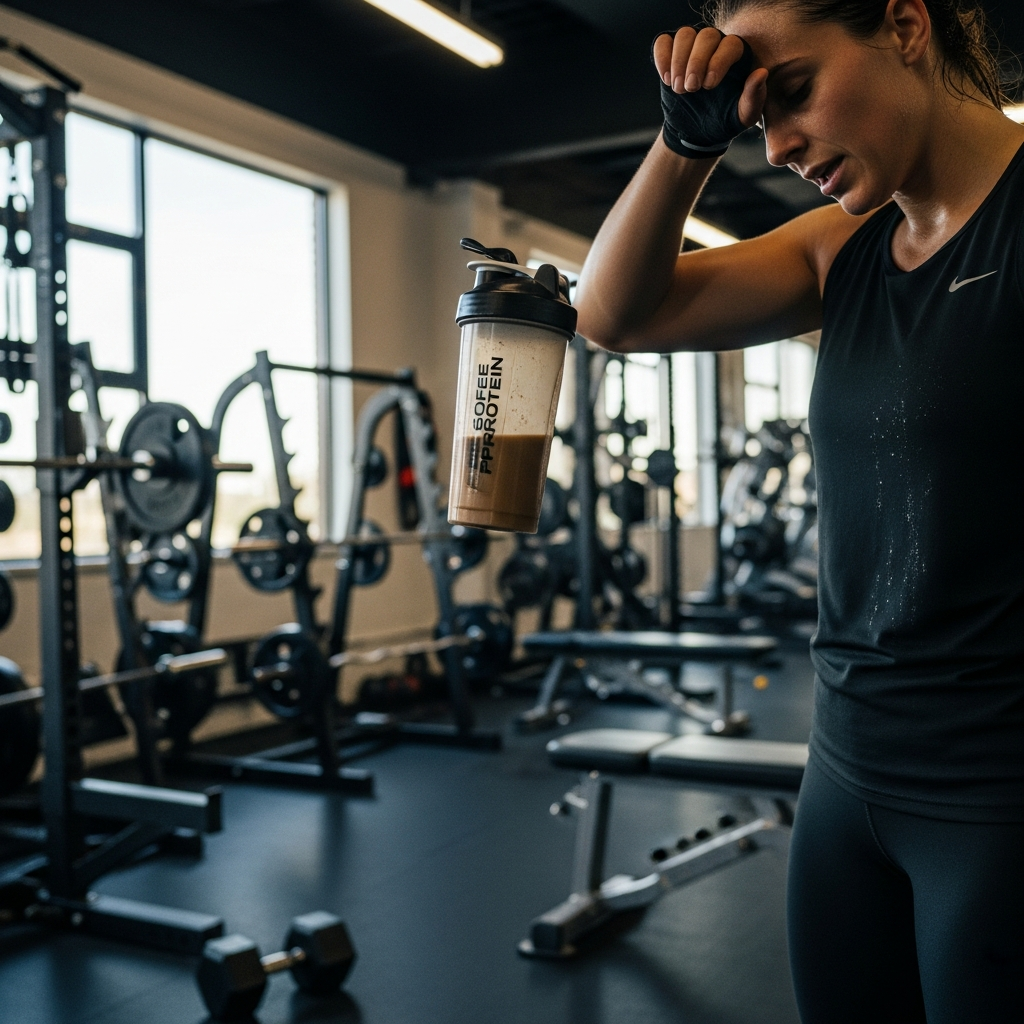
The Science: Why Coffee Works as Pre-Workout
Caffeine blocks adenosine receptors in your brain, which is the chemical that makes you feel sleepy. That’s the basic mechanism, but there’s more going on. Research shows caffeine also increases adrenaline production, breaks down body fat into free fatty acids (making them available as fuel), and reduces perceived exertion — meaning the same workout feels easier. A standard cup of coffee delivers about 95 mg of caffeine, roughly the same as most pre-workout supplements but without the artificial sweeteners, beta-alanine tingles, or neon-colored powder.
The key variable is timing. Caffeine takes 30-60 minutes to reach peak blood concentration. Drink your coffee too late and you’re halfway through your workout before it kicks in. Drink it too early and you’re past the peak by the time you hit your heaviest sets. For most people, 30 minutes before your workout starts is the sweet spot for black coffee, and 45 minutes before for recipes with protein or fat (which slow absorption). If you want to understand more about how different roast levels affect caffeine content, that matters here too — lighter roasts generally have slightly more caffeine per scoop than dark roasts.
Recipe 1: The Simple (Black Coffee + Salt + Cinnamon)
What You’ll Need
- 8 oz freshly brewed black coffee (hot or iced)
- 1 small pinch of fine sea salt (about 1/16 teaspoon)
- 1 small pinch of ground cinnamon (about 1/8 teaspoon)
How to Make It
Brew your coffee however you normally do — drip, pour-over, French press, it doesn’t matter. Add the salt and cinnamon while it’s still hot and stir. That’s it.
Why It Works
The salt does two things: it reduces the perceived bitterness of black coffee (making it more drinkable if you usually add cream), and it replaces some of the sodium you’ll lose through sweat during your workout. It’s a small amount, but sodium is the primary electrolyte lost in sweat, and starting your workout with a slight sodium boost helps maintain hydration. The cinnamon adds flavor complexity and has mild anti-inflammatory properties — nothing dramatic, but a small positive.
Macros
Calories: 5 | Protein: 0g | Carbs: 0g | Fat: 0g | Caffeine: approximately 95 mg
Best For
Morning fasted workouts, quick gym sessions, anyone who wants caffeine without calories. Drink it 30 minutes before your workout. This is my go-to for 6 AM gym sessions when I don’t want anything in my stomach.
Recipe 2: The Protein Shake (Cold Brew + Protein + Banana)
What You’ll Need
- 8 oz cold brew coffee (undiluted concentrate works best)
- 1 scoop vanilla or chocolate protein powder (about 25-30g protein)
- 1 medium banana (frozen if you want a thicker shake)
- 1 cup ice
- A blender
How to Make It
Add the cold brew, protein powder, banana, and ice to your blender. Blend on high for 30-45 seconds until completely smooth. The banana provides natural sweetness and a creamy texture that masks the chalkiness some protein powders have. If using a frozen banana, you may not need the ice — taste and adjust.
Why It Works
This is a complete pre-workout meal in a glass. The protein gives your muscles amino acids to work with during your session. The banana provides quick-digesting carbs for immediate energy plus potassium for muscle function. The cold brew delivers caffeine. Cold brew is ideal here because it’s naturally smoother and less acidic than hot coffee, which means it blends better with protein powder and is gentler on your stomach — important when you’re about to exercise. I’ve found that hot coffee mixed with protein powder can curdle slightly and taste off, while cold brew integrates seamlessly.
Macros
Calories: approximately 250 | Protein: 30g | Carbs: 27g | Fat: 2g | Caffeine: approximately 120 mg (cold brew is typically stronger)
Best For
Weightlifting, resistance training, any workout lasting 45-90 minutes. Drink it 45 minutes before lifting to give the protein and banana time to digest. This is a critical point — if you chug this shake and walk straight into heavy squats, your stomach will let you know. Give it at least 30-45 minutes, and ideally 45 minutes, before your first working set.
Recipe 3: The Endurance (Espresso + Honey + Coconut Oil + Salt)
What You’ll Need
- 1 double shot espresso (about 2 oz) or 4 oz very strong brewed coffee
- 1 tablespoon raw honey
- 1 tablespoon virgin coconut oil
- 1 pinch of fine sea salt
- 4 oz hot water (optional, for a longer drink)
How to Make It
Pull your espresso or brew your strong coffee. While it’s hot, add the coconut oil and stir vigorously until the oil melts and emulsifies into the coffee. Add the honey and salt, stir again. If you want a longer drink, add 4 oz of hot water to make it more like an Americano. Some people blend this for 10 seconds in a blender to get a creamier, more frothy result — it does make a difference in texture, creating an almost latte-like foam on top.
Why It Works
This is designed for long cardio sessions — running, cycling, hiking, swimming. The honey provides fast-absorbing carbohydrates for immediate energy, exactly what your body needs during sustained aerobic activity. The coconut oil contains medium-chain triglycerides (MCTs) that your body converts to energy more quickly than other fats, providing sustained fuel for longer efforts. The salt replaces electrolytes. And the caffeine does what caffeine does. The combination of quick carbs (honey), sustained fat energy (coconut oil), and caffeine creates a layered energy profile — you get an immediate boost from the honey and caffeine, followed by longer-lasting energy from the coconut oil.
Macros
Calories: approximately 185 | Protein: 0g | Carbs: 17g | Fat: 14g | Caffeine: approximately 120 mg
Best For
Long runs (60+ minutes), cycling, hiking, endurance cardio. Drink it 30-45 minutes before you start. The fat content means it takes slightly longer to digest than black coffee, but the MCTs in coconut oil are absorbed faster than most fats. I use this version before long weekend runs and it carries me through 90 minutes without bonking.
What NOT to Add to Pre-Workout Coffee
Some popular additions actually work against you when exercising. Here’s what to avoid and why:
Too much fat (more than 1 tablespoon): Large amounts of fat slow gastric emptying, which means the caffeine takes longer to absorb and your stomach sits heavy during exercise. A tablespoon of coconut oil is fine for endurance; a full butter coffee with 2 tablespoons of butter is not a pre-workout drink. You’ll feel sluggish and possibly nauseous during intense movement.
Excess sugar or flavored syrups: A tablespoon of honey for endurance work is strategic. Adding 3 pumps of vanilla syrup and a caramel drizzle is not — that’s a dessert, and the sugar crash will hit you mid-workout. The difference is in how much and what kind of sweetener you use. Keep it functional.
Dairy cream in large amounts: A splash of milk is fine if it helps you drink the coffee. But a full latte’s worth of steamed milk adds calories, fat, and lactose that can cause GI distress during exercise — especially running. If you need creaminess, a small amount of oat milk is gentler on the stomach.
Artificial sweeteners in large quantities: Sugar-free syrups and artificial sweeteners can cause bloating and gas in some people, which is the last thing you want during a workout. If you use them, keep it minimal.
Timing Guide
Getting the timing right is just as important as the recipe itself. Here’s the breakdown based on extensive personal testing and the research:
Black coffee (Recipe 1): 30 minutes before your workout. Nothing to digest, so the caffeine absorbs quickly. I set a timer on my phone when I take my first sip and aim to start my warm-up when the timer goes off.
Protein shake (Recipe 2): 45 minutes before lifting. The protein and banana need time to digest, and you don’t want them sitting in your stomach during heavy compound movements. At 45 minutes, the caffeine is near peak and the food has had time to start digesting. If you’re someone with a sensitive stomach, consider pushing this to 60 minutes.
Endurance coffee (Recipe 3): 30-45 minutes before cardio. The coconut oil digests relatively quickly as MCTs, and the honey is absorbed almost immediately. For runs, I drink this 40 minutes before, which gives me a steady caffeine peak through the first hour.
Stomach Issues: Why They Happen and How to Fix Them
Coffee on an empty stomach before exercise can cause acid reflux, nausea, or urgent bathroom trips for some people. Here’s how to troubleshoot:
Acid reflux: Switch to dark roast or low-acid coffee. Dark roasts contain a compound called NMP that actually reduces stomach acid production. Cold brew is also significantly less acidic than hot coffee. If you’re brewing hot, a dark roast French press or drip will be gentler than a light roast pour-over.
Nausea: You’re probably drinking too much coffee on an empty stomach. Try eating a small piece of toast or half a banana 15 minutes before the coffee, or switch to Recipe 1 with the pinch of salt, which helps settle the stomach. Also, don’t gulp — sip it over 10-15 minutes.
GI urgency: Coffee stimulates the colon — this is well-documented. For most people, this happens within 20-30 minutes of drinking coffee. Time your coffee so that you have access to a bathroom before heading out for your run. My strategy: drink the coffee, handle business, then start the workout. Building in that buffer is the simplest fix.
Caffeine Dosing: How Much Is Optimal?
Research suggests 3-6 mg of caffeine per kilogram of body weight is the optimal range for exercise performance. For a 150-pound (68 kg) person, that’s 200-400 mg. For reference, a standard 8 oz cup of coffee has about 95 mg, a double espresso has about 120 mg, and cold brew concentrate can have 150-200 mg per cup. Most people will get optimal performance benefits from 1.5-2 cups of coffee consumed 30-45 minutes before exercise. More isn’t necessarily better — above 6 mg/kg, you get diminishing returns and increased side effects like jitteriness, elevated heart rate, and anxiety.
Frequently Asked Questions
Will pre-workout coffee dehydrate me?
The short answer is no, not meaningfully. While caffeine has a mild diuretic effect, the water in your coffee more than offsets it. Research consistently shows that moderate caffeine consumption (up to about 400 mg) does not cause dehydration in habitual coffee drinkers. That said, still drink water before, during, and after your workout. Coffee is fuel, not hydration.
Is pre-workout coffee better than pre-workout supplements?
For caffeine delivery, coffee is just as effective and significantly cheaper. A cup of coffee costs about $0.15-0.50 to make at home. A serving of pre-workout supplement costs $1-2. The supplements do contain other ingredients — beta-alanine, citrulline, creatine — that provide their own benefits, but the primary performance-boosting ingredient in most pre-workouts is caffeine, which coffee delivers just fine. If you want the other ingredients, take them separately and stick with coffee for caffeine.
Can I use decaf for the protein shake version?
Sure, if you’re working out in the evening and don’t want the caffeine to affect your sleep. You’ll lose the performance benefits of caffeine, but the protein, banana, and cold brew flavor still make it an excellent pre-workout meal. Decaf cold brew blended with protein powder tastes nearly identical to the caffeinated version.
What about caffeine tolerance?
If you drink coffee daily, your body adapts and the stimulant effects diminish over time. You’ll still get the performance benefits, but they’ll be less dramatic than for someone who rarely has caffeine. Some athletes cycle caffeine — cutting it out for 1-2 weeks before a race or competition to resensitize, then using it on race day for maximum effect. For regular training, just drink your usual amount and don’t stress about tolerance. The performance benefits are still measurable even in daily coffee drinkers.
Should I add creatine to my pre-workout coffee?
There’s no evidence that creatine in coffee reduces the effectiveness of either substance, despite some older claims. You can absolutely stir creatine into your coffee. However, creatine doesn’t need to be timed around your workout — it works through daily saturation, not acute dosing. Take your 3-5 grams of creatine whenever it’s convenient, whether that’s in your morning coffee or your evening water. Timing doesn’t matter for creatine the way it does for caffeine.