
St. Petersburg’s coffee scene is about to get more interesting. Say Coffee House, a new Vietnamese specialty coffee shop, plans to open its doors on Central Avenue this March or April, bringing modernized traditional Vietnamese coffee drinks to the area.
I’ve been following the growth of Vietnamese coffee culture in the United States with genuine interest. What started as a niche offering in areas with large Vietnamese populations has steadily moved into the mainstream, and for good reason. Vietnamese coffee offers something different from the standard American coffee shop experience.
What Makes Vietnamese Coffee Special
Vietnamese coffee culture stands apart in several ways. The country ranks as the world’s second largest coffee exporter, behind only Brazil, and has developed unique brewing methods and flavor combinations over more than 150 years.
Most Vietnamese coffee uses robusta beans rather than the arabica beans common in Western coffee shops. Robusta delivers nearly twice the caffeine content with a bolder, more intense flavor profile. This strength makes it ideal for the creative drink variations that Vietnamese coffee culture has become known for.
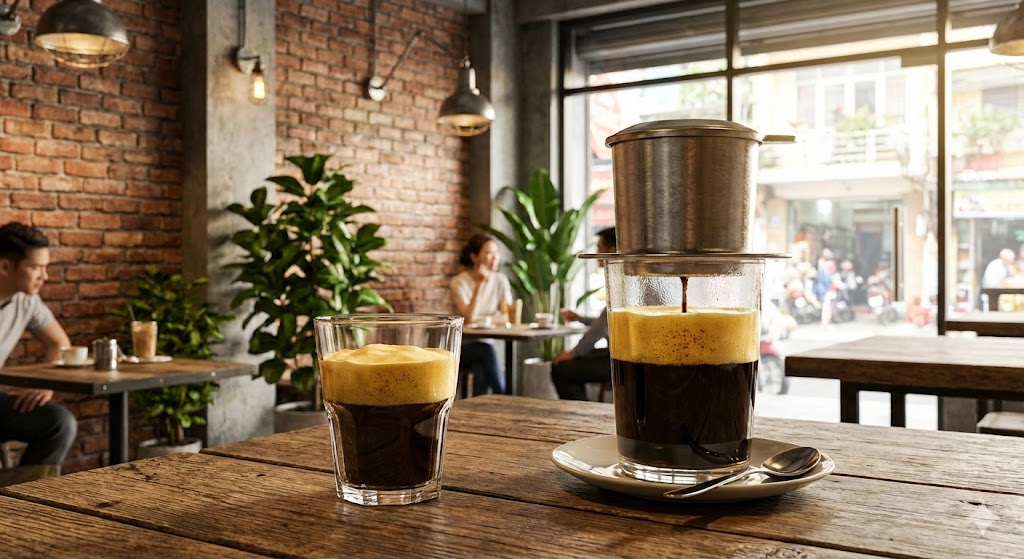
The traditional brewing method uses a phin filter, a small metal device that sits atop the cup and allows coffee to drip slowly through. This produces a concentrated brew that forms the base for various specialty drinks.
The Say Coffee House Concept
Owner Haley Huynh and business partner Huy Ho are designing Say Coffee House as a fast casual coffee bar at 2414 Central Avenue. The space will accommodate approximately 20 to 24 guests inside, with an outdoor patio seating around 15 people.
The interior design takes an industrial approach, while the outdoor patio aims to capture what Huynh describes in Business Debut as “the authentic vibe of Vietnam,” creating a street coffee atmosphere reminiscent of the cafes found throughout Vietnamese cities.
The Menu
Say Coffee House will focus on modernized traditional Vietnamese coffee drinks, featuring specialty beverages topped with cold foams. The menu includes egg coffee, ube coffee, and sea salt coffee.
According to Huynh in Business Debut, sea salt coffee is “really popular in Vietnam” and “really trendy” while being “really easy to drink.” The beverage has indeed become a cultural phenomenon. The drink combines strong Vietnamese coffee with a salted cream topping, creating a sweet and salty flavor profile similar to salted caramel. The salt actually enhances the coffee’s natural sweetness while cutting through any bitterness, resulting in a smoother, more complex taste.
Egg coffee, another Vietnamese classic, originated in Hanoi during the 1940s when milk shortages led to creative alternatives. The drink features whipped egg yolks mixed with condensed milk and sugar, creating a rich, custard like topping over strong coffee. The result tastes almost like liquid tiramisu.
Beyond Vietnamese coffee specialties, Say Coffee House plans to serve ceremonial matcha alongside refreshers and tea based drinks with what Huynh calls “a little twist.” Options include lychee green tea and jasmine milk tea latte.
The shop commits to quality sourcing by importing key ingredients directly from Asia. As Huynh told Business Debut, “We import our ingredients straight from Asia.” Coffee comes from Vietnam, matcha from Japan, and teas from various Asian sources.
Food Offerings
The food menu keeps things simple with basic pastries like croissants and bagels. The signature item under development is croffles, a croissant waffle hybrid that the team plans to make in house once they finalize the recipe. These will be served with different flavors and toppings.
Why Vietnamese Coffee Is Gaining Popularity
Vietnamese coffee culture has been expanding across the United States over the past decade. What once existed primarily in Vietnamese communities has caught the attention of coffee enthusiasts and casual drinkers alike.
The drinks offer something genuinely different from standard coffee shop fare. While most American coffee shops focus on espresso based drinks or simple drip coffee, Vietnamese coffee culture embraces creativity and isn’t afraid of sweetness or unconventional flavor combinations.
Market research indicates growing interest in Asian inspired coffee drinks, particularly among younger consumers. A 2023 Mintel report found that 71 percent of Generation Z consumers in the United States expressed interest in trying Asian inspired coffee beverages.
Social media has played a role in this growth. Platforms like TikTok feature countless videos showing how to recreate Vietnamese coffee drinks or customize coffee shop orders to achieve similar flavors. The visual appeal of drinks like egg coffee with its golden cream layer or salt coffee with its distinctive foam makes them naturally shareable content.
Several Vietnamese coffee chains have expanded nationally. 7 Leaves Café, which started in California in 2011, now operates more than 40 locations across the country. Independent Vietnamese cafes continue opening in cities nationwide, from Seattle to Philadelphia.
The Broader Vietnamese Coffee Movement
The rise of Vietnamese coffee shops in the United States reflects a larger shift in how people view Vietnamese coffee. For years, Vietnam’s coffee industry focused primarily on production for export, with robusta beans often dismissed as lower quality compared to arabica.
Recent years have seen Vietnamese coffee culture gain recognition for its craftsmanship and innovation. Younger entrepreneurs and roasters have worked to elevate Vietnamese coffee, emphasizing quality production methods and unique flavor profiles rather than competing directly with traditional coffee cultures.
Vietnamese coffee culture also offers a different social experience. In Vietnam, coffee shops serve as gathering places where people sit for hours, socializing over small glasses of strong coffee. This emphasis on community and conversation rather than quick caffeine hits appeals to many looking for alternatives to the grab and go coffee culture that dominates much of American coffee consumption.
What to Expect
Say Coffee House expects to operate daily from 8 a.m. to 4 p.m. once open. The Central Avenue location positions the shop in a walkable area with steady foot traffic.
For those unfamiliar with Vietnamese coffee, the shop offers an accessible entry point. The modernized approach to traditional drinks should appeal to adventurous coffee drinkers while remaining approachable for newcomers.
The commitment to importing authentic ingredients suggests serious attention to quality and flavor authenticity. Many Vietnamese coffee shops in the United States compromise on ingredients for convenience or cost, but direct sourcing from origin countries typically produces better results.
Planning Your Visit
Say Coffee House hasn’t announced an exact opening date yet, targeting sometime between March and April 2026. Following their social media accounts on Instagram and Facebook will provide updates as the opening approaches.
For more details about Say Coffee House’s opening, read the original article by Laura Harrington at Business Debut.
When visiting, consider trying one of the signature Vietnamese drinks rather than defaulting to familiar options. Sea salt coffee offers an approachable introduction with its sweet and salty balance. Egg coffee provides a more adventurous experience with its unique texture and flavor.
The outdoor patio promises to be a highlight, especially during pleasant weather. The Vietnam street coffee aesthetic should create an atmosphere distinct from typical American coffee shops.
Final Thoughts
The addition of Say Coffee House to St. Petersburg’s coffee scene represents more than just another cafe opening. It signals the continued diversification of American coffee culture and growing appreciation for traditions beyond the standard Italian espresso bar model.
Vietnamese coffee offers bold flavors, creative combinations, and a social atmosphere that differs from the typical coffee shop experience. Whether the drinks appeal to your personal taste remains to be seen, but they’re certainly worth trying.
St. Petersburg has developed a solid coffee scene in recent years. Adding Vietnamese coffee culture to that mix creates more options and introduces different perspectives on what coffee can be.
I’m looking forward to seeing how Say Coffee House develops and whether it sparks broader interest in Vietnamese coffee culture in the area. The timing seems right, with national trends showing increased curiosity about Asian coffee traditions and younger consumers seeking new flavor experiences.
If nothing else, it will be interesting to try authentic sea salt coffee without having to make it at home.
Additional Reading and Resources
For those interested in learning more about Vietnamese coffee culture and the drinks mentioned in this article, here are some valuable resources:
- Michelin Guide: A Guide to Vietnamese Coffee – Comprehensive overview of iconic Vietnamese coffee styles including detailed explanations of egg coffee, salt coffee, and coconut coffee origins and preparation methods
- National Geographic: How to Explore Vietnam’s Rich Coffee Culture – Recent article exploring Vietnam’s coffee history, regional differences, and the cultural significance of coffee in Vietnamese society
- CNN Travel: Why Vietnam’s Specialty Coffees Are Catching On Around the World – Analysis of how salt coffee and other Vietnamese specialty drinks are gaining international popularity, including the story of the Hue cafe that invented salt coffee
- Nguyen Coffee Supply – Vietnamese American owned coffee company that imports beans directly from Vietnam and provides extensive educational content about Vietnamese coffee culture and brewing methods
- Feastio: Discovering Vietnamese Coffee Culture – Personal travel perspective on experiencing coffee culture throughout Vietnam’s major cities, with practical tips for ordering and understanding different drink styles
- The Lavender Travelers: Famous Coffee in Vietnam – Traveler’s guide to eight must try Vietnamese coffees with information about where to find them and typical pricing
- Barista Magazine: Vietnam in a Cup – Professional coffee industry perspective on Vietnamese specialty drinks, written by a journalist who explored Hanoi and Ho Chi Minh City’s coffee scenes
- Vietnam Coracle: Salt Coffee Guide – In depth exploration of salt coffee’s rise from local Hue specialty to nationwide phenomenon, including the business story behind its popularity