
If you’ve ever wondered about the chemistry behind your morning cup, you’re not alone. Is coffee an acid or a base? The answer affects everything from flavor to how it interacts with your stomach.
Coffee Is an Acid
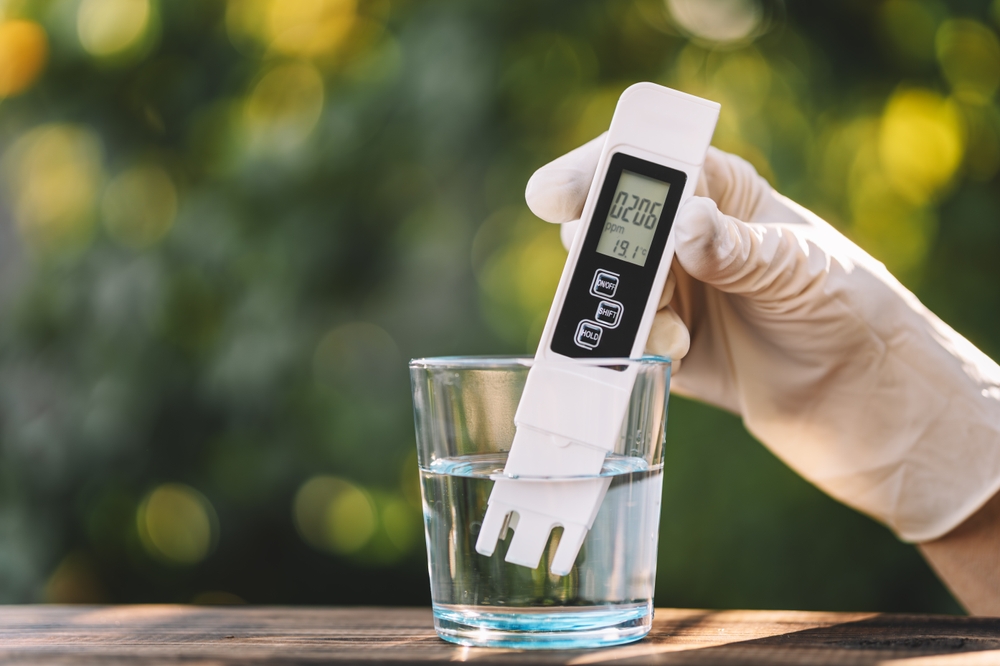
Coffee is acidic, with a pH typically ranging from 4.85 to 5.10. For reference, pure water has a neutral pH of 7, while lemon juice sits around 2. This makes coffee mildly acidic – more acidic than water but less than orange juice.
pH Scale Reference
- Lemon juice: 2.0
- Orange juice: 3.5
- Coffee: 4.85-5.10
- Milk: 6.5
- Water: 7.0 (neutral)
What Makes Coffee Acidic?
Coffee contains over 30 different acids, including:
- Chlorogenic acid – The primary acid, responsible for coffee’s bright, tangy notes
- Citric acid – Adds fruity, citrus-like flavors
- Malic acid – Creates apple-like tartness
- Quinic acid – Forms when coffee sits too long, causing bitterness
- Acetic acid – Contributes to fermented notes
Does Coffee Acidity Cause Stomach Problems?
For most people, coffee’s acidity is harmless. However, if you have acid reflux, GERD, or a sensitive stomach, the acids in coffee can trigger discomfort.
Symptoms of coffee-related acid issues:
- Heartburn or chest discomfort
- Stomach pain or cramping
- Nausea after drinking coffee
- Acid reflux or regurgitation
How to Reduce Coffee Acidity
1. Choose Low-Acid Coffee Beans
Some coffees are naturally lower in acid. Look for beans from Brazil, Sumatra, or those labeled “low-acid.”
2. Try Cold Brew
Cold brewing reduces acidity by up to 67% compared to hot brewing. The slow extraction process produces a smoother, less acidic cup.
3. Choose Dark Roasts
Darker roasts have lower acidity than light roasts. The longer roasting process breaks down more chlorogenic acid.
4. Add Milk or Cream
Dairy and non-dairy milks are alkaline and help neutralize coffee’s acidity.
5. Don’t Drink on an Empty Stomach
Having food in your stomach helps buffer the acid.
Acidity vs. Bitterness
Many people confuse acidity with bitterness, but they’re different:
| Acidity | Bitterness |
|---|---|
| Bright, tangy, fruity | Sharp, harsh, unpleasant |
| Desirable in specialty coffee | Usually a sign of over-extraction |
| Measured by pH | Caused by compounds like caffeine |
The Bottom Line
Coffee is definitely an acid, not a base. Its pH of around 5 makes it mildly acidic. While this acidity contributes to coffee’s complex flavor profile, those with sensitive stomachs can reduce it through cold brewing, choosing dark roasts, or opting for low-acid coffee brands.
This article contains affiliate links.