
Should you use bamboo vs. paper coffee filters? Read on to find out.
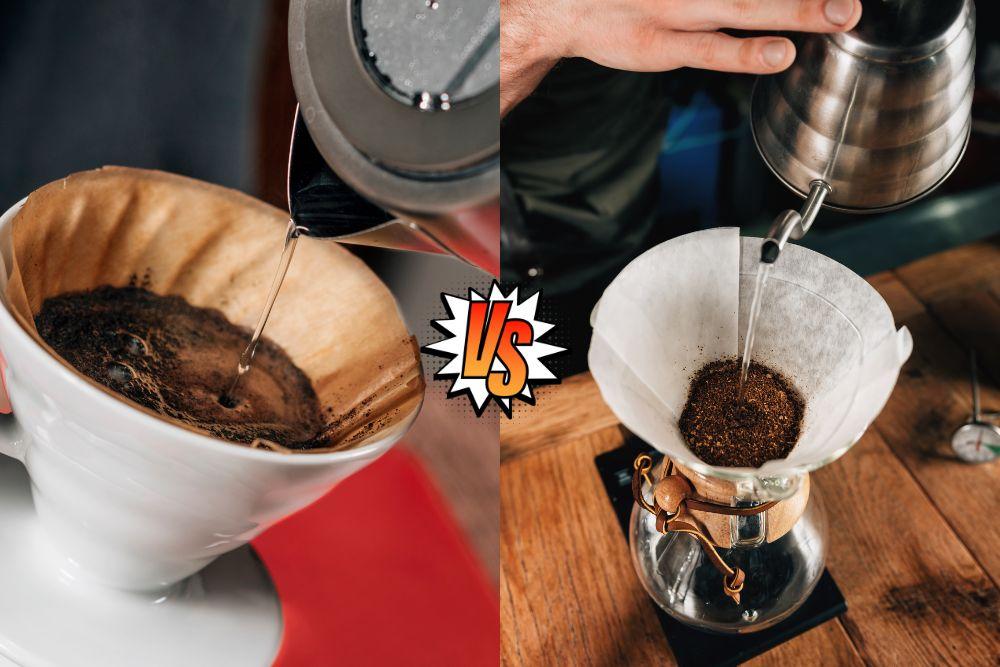
Debating the merits of coffee filters may seem trivial, but not for coffee lovers who understand the impact of such a simple brewing choice. Unless you’re drinking unfiltered coffee, opting for paper or bamboo can alter your drink’s taste profile. For example, some filters allow more grounds and oils to pass through, yielding a rich, robust brew with a sediment layer at the bottom of the cup – a characteristic appreciated by some but not all.
When experimenting with bamboo versus paper filters, I’ve tasted noticeable distinctions.
Paper coffee filters yield a cleaner and more enjoyable cup than their bamboo counterparts. They’re also easier to use. However, bamboo coffee filters are better for the environment.
Bamboo Vs. Paper Coffee Filters
| Bamboo Filters | Paper Filters |
| Made from a combination of bamboo pulp and natural unbleached pulp material. | Paper filters are made from disposable paper material. |
| They contain no chemicals. | White paper filters are bleached. |
| Bamboo filters are an environmentally friendly option since bamboo is a sustainable resource. | Although paper filters are biodegradable, trees are not a sustainable resource. |
| Hold their shape much better than coffee filters do. | Paper filters don’t fit as snugly into plastic cones. |
| Since these filters are more porous and have a coarser texture, the coffee drips through them faster. | Paper filters are denser and more tightly woven, resulting in the coffee taking longer to drip through them. |
| Brew is arguably not as tasty. | Paper filters provide a cleaner and more flavorful cup of coffee. |
| Bamboo filters leave unwanted papery off-flavors in the brew. | Paper filters don’t leave a papery taste in your brew. |
| Bamboo filters are more expensive than paper filters. | Paper filters are cheap and readily available. |
Environmental Impact
Bamboo filters may be far less known than paper filters, but they are rapidly gaining traction among coffee drinkers, for example, those by Melitta. The main reason for this is sustainability. Bamboo is a self-renewing resource that grows much faster than trees when cut or harvested.
Bamboo coffee filters are also more biodegradable than standard paper filters, especially when compared to bleached ones. If you’re concerned about the environment, opt for a bamboo coffee filter and buy a good coffee mug instead of a disposable cup.
Taste
Paper filters produce a clean cup of coffee. They filter out oils and small particles, which means the resulting coffee is smoother and lighter, with fewer bitter notes. However, cheap paper filters may reduce the nuanced flavors coffee drinkers enjoy.
Bamboo filters tend to let through more oils and small particles, which can result in a coffee with more body and complexity. However, the extra oils may make the coffee taste slightly bitter. Some bamboo filters can add a slight flavor to the coffee also.
Ease of Use
Paper filters are generally easier to brew coffee with. They are often pre-folded, making them simple to fit into your coffee maker. After brewing, you can simply throw them away.
Bamboo filters require more effort. They may not be pre-folded and might be a bit stiffer to fit into your coffee maker. Some bamboo filters may also need rinsing before use to remove the taste of bamboo.
Are Bamboo Coffee Filters Better?
Bamboo coffee filters are better if you want a more environmentally-friendly cup of coffee. Opt for a regarded brand like Melitta so the taste profile is consistent with a good cup of coffee. Cheap bamboo coffee filters can alter the taste of a cup of coffee.
Paper filters provide a better quality brew since they hold back more coffee oils and sediment. Paper filters also offer a lengthier brewing process, meaning the brews you get from these filters are crisp and flavorful. Want to learn more? Check out these best coffee filters.