
The best tea brand for most people is Harney & Sons because it offers approachable bags and sachets alongside serious loose-leaf teas across black, green, oolong, white, herbal and decaffeinated styles. Rishi is our preferred loose-leaf brand, Yorkshire Tea is the strongest everyday breakfast value, and Tea Forté is the best gift choice.
No single company makes the best version of every tea. We compared current ranges, formats, ingredient transparency, disclosed sourcing or origin information, ease of purchase and a clear use case. This guide ranks brands for different drinkers rather than pretending packaging prestige or one tasting session can produce a universal winner.
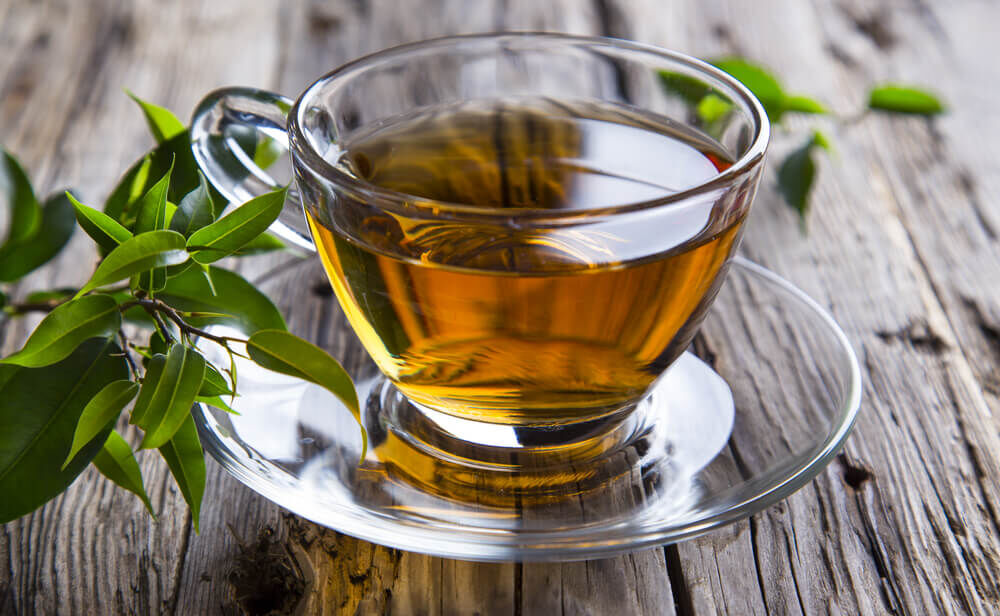
Best tea brands at a glance
| Brand | Best for | Useful formats | Start with |
|---|---|---|---|
| Harney & Sons | Best overall range | Bags, sachets, loose leaf, iced tea | Paris or Japanese Sencha |
| Rishi Tea & Botanicals | Best for loose-leaf exploration | Loose leaf, sachets, matcha, concentrates | Jade Cloud or Earl Grey Supreme |
| Yorkshire Tea | Best everyday breakfast tea | Tea bags and loose leaf | Yorkshire Gold |
| The Republic of Tea | Best variety in convenient bags | Round bags, loose leaf, iced tea | Ginger Peach or Earl Greyer |
| Tea Forté | Best tea gift | Pyramid infusers, loose leaf, gift sets | Classic Tea Chest |
| Dilmah | Best for Ceylon tea | Bags and loose leaf | Premium Ceylon Black Tea |
| VAHDAM India | Best Indian assortment | Loose leaf, bags and samplers | Daily Assam or chai sampler |
| Twinings | Best widely available supermarket brand | Bags, loose leaf and cold infusions | English Breakfast |
1. Harney & Sons: best tea brand overall
Harney & Sons is the easiest all-around recommendation because a beginner can buy familiar sachets while an enthusiast can explore origin-specific loose leaf. Its current catalogue spans black, green, matcha, oolong, white, jasmine, pu-erh, herbal and decaffeinated tea. The company was founded by John Harney in 1983 and remains centered on sourcing and blending tea from around the world.
The flavored Paris blend is a friendly starting point; Japanese Sencha is a better test of whether you enjoy straightforward green tea. Compare formats carefully because the same blend may be sold as traditional bags, roomier sachets, loose leaf or iced-tea pouches. See the current Harney & Sons collection.
Choose it if: you want one brand with both accessible and specialty options. Try: a Harney & Sons sampler.
2. Rishi Tea & Botanicals: best loose-leaf tea brand
Rishi is the stronger choice for drinkers who want to compare origins, processing styles and flavor profiles rather than buy one familiar bag. Its current range includes black, green, matcha, oolong, pu-erh, white, chai and botanical infusions in loose-leaf, sachet, powder and concentrate formats. The company says more than 95% of its ingredients are certified organic and describes its sourcing model as direct trade.
Jade Cloud is an approachable green tea; Earl Grey Supreme offers a familiar black-tea benchmark; a sampler is wiser than a large bag if you do not know your preference. Read Rishi’s current range and sourcing explanation, then use our loose-leaf tea guide for brewing equipment and beginner picks.
Choose it if: you enjoy tasting differences between leaf styles and origins. Try: a Rishi tea sampler.
3. Yorkshire Tea: best everyday breakfast value
Yorkshire Tea is for people who want a strong, dependable mug rather than a large specialty catalogue. Yorkshire Gold blends teas from Kenya, Rwanda and Assam for briskness and body, and it stands up well to milk. The standard red-box blend is the budget-oriented alternative; decaffeinated and loose-leaf formats are also available in some markets.
This is not the brand for delicate white tea or Japanese green tea. It is a focused breakfast-tea recommendation. Taylors of Harrogate publishes the current Yorkshire Gold blend and brewing details. For more UK choices, use our dedicated guide to the best British tea brands.
Choose it if: you drink black tea every morning, especially with milk. Try: Yorkshire Gold tea bags.
4. The Republic of Tea: best variety in convenient bags
The Republic of Tea suits shoppers who want many flavors and caffeine levels without moving to loose-leaf equipment. The company currently lists more than 350 teas and herbs, including black, green, matcha, herbal, rooibos, hibiscus, pu-erh, iced and decaffeinated options. Its signature round bags omit strings, tags and individual envelopes, while tins help reduce light exposure after opening.
The huge selection can be overwhelming, so begin with a variety tin or a familiar profile such as Ginger Peach, Earl Greyer or peppermint. Check the exact product label: herbal infusions are not automatically caffeine-free, and flavored products may differ from their loose-leaf versions. The company’s current brand and product overview explains its formats and range.
Choose it if: convenience and flavor variety matter most. Try: The Republic of Tea variety assortment.
5. Tea Forté: best tea brand for gifts
Tea Forté is the presentation-first recommendation. Its signature pyramid infusers, coordinated accessories and boxed assortments look more gift-ready than ordinary grocery-store bags. The company says its infusers allow whole leaves, herbs, fruit and flowers room to unfurl, and it sells both pyramid collections and loose tea.
You pay partly for design, so Rishi or Harney may offer more exploration per dollar for a buyer focused only on the leaf. Tea Forté is more compelling when the opening experience matters. Review the brand’s current infuser and sourcing description.
Choose it if: you need a polished host, holiday or client gift. Try: a Tea Forté tea chest.
6. Dilmah: best brand for Ceylon tea
Dilmah is the clearest choice here for shoppers specifically seeking Sri Lankan Ceylon tea. Founded in 1985 by Merrill J. Fernando, Dilmah describes itself as a producer-owned brand and emphasizes tea picked, processed and packed at origin rather than blended across countries. Its range includes straightforward Ceylon black tea as well as estate, flavored, green and herbal products.
Start with an unflavored Ceylon black tea before buying a flavored assortment; that gives you a useful reference for the bright, brisk style associated with the origin. Dilmah’s current company history and origin policy explains what the single-origin claim means.
Choose it if: origin and a classic Ceylon profile matter to you. Try: Dilmah Premium Ceylon tea.
7. VAHDAM India: best Indian tea assortment
VAHDAM is useful for international shoppers who want Indian loose-leaf tea, chai and gift assortments in one place. Its catalogue commonly separates Assam, Darjeeling, chai and green-tea styles, which helps prevent the common mistake of treating all Indian tea as one flavor. A robust Assam can suit milk; a first-flush Darjeeling is typically brewed and judged differently.
Buy a regional sampler if you are still learning, and check whether a chai product is plain spiced tea, sweetened instant premix or a concentrate. Those products are not interchangeable. Our guide to the best Indian tea brands compares VAHDAM with Tata Tea, Wagh Bakri, Teabox and other India-focused options.
Choose it if: you want Indian origins or chai with easy international availability. Try: a VAHDAM chai sampler.
8. Twinings: best widely available supermarket brand
Twinings earns a place for availability and recognizable styles rather than specialty exclusivity. English Breakfast, Earl Grey, green tea, peppermint and caffeine-free herbal infusions are widely stocked, making the brand practical when you want a repeatable product without ordering from a specialist.
English Breakfast is the most useful baseline because it is unflavored and works plain or with milk. Read the exact box when avoiding caffeine or flavoring: peppermint herbal tea and decaffeinated black tea are different products. For black-tea-specific alternatives, compare our updated best black tea guide.
Choose it if: local availability and consistency outweigh specialty sourcing. Try: Twinings English Breakfast.
How we selected these tea brands
- Current, identifiable products: each brand maintains a live range with enough detail to choose a real tea.
- A distinct reason to buy: overall range, loose leaf, breakfast value, convenient variety, gifting, Ceylon origin, Indian selection or supermarket availability.
- Format clarity: bags, sachets, loose leaves, powders, concentrates and premixes are treated as different products.
- Useful transparency: we favored companies that disclose tea type, ingredients, origin or sourcing information where relevant.
- Practical availability: readers can buy the products without relying on discontinued listings.
How to choose a tea brand
Choose the tea type before the company
Black, green, white, oolong and pu-erh all come from Camellia sinensis, but processing creates very different cups. Herbal products such as peppermint, chamomile and rooibos are infusions rather than true tea. Decide whether you want brisk breakfast tea, vegetal green tea, aromatic oolong or a caffeine-free herbal infusion before comparing brands.
Match the format to your routine
Traditional bags are fast and consistent. Larger sachets provide more room for the leaf. Loose leaf offers dose control but requires an infuser. Matcha is whisked powder, while chai concentrates and instant premixes may contain sweetener or dairy ingredients. A premium product in the wrong format will not become part of your routine.
Read ingredients and brewing directions
“Natural flavor,” fruit pieces, spices and sweeteners create different products even when the front labels sound similar. Check caffeine claims product by product. Brew once according to the manufacturer’s dose, temperature and time; then adjust one variable at a time. Excessive bitterness often comes from too much time or heat rather than a bad brand.
Frequently asked questions
What is the highest-quality tea brand?
There is no universal highest-quality brand across every tea style. Harney & Sons offers the best overall balance of range and accessibility in this comparison, while Rishi is better for loose-leaf exploration, Dilmah for Ceylon tea and VAHDAM for Indian tea.
Are loose leaves always better than tea bags?
No. Loose leaf provides more control and can preserve larger leaf pieces, but a well-made bag is convenient and intentionally extracts quickly. Compare freshness, ingredients and brewing results—not the format alone.
Which tea brand is best for beginners?
Harney & Sons or The Republic of Tea are easy starting points because both offer broad assortments and convenient formats. Buy a sampler containing several tea types before committing to a large package.
Which tea brand is best in the UK?
Yorkshire Tea is our everyday breakfast pick, but the right UK brand depends on whether you want strong black tea, Earl Grey, loose leaf or a gift. See our separate British tea brand comparison for that regional search.
Bottom line
Start with Harney & Sons if you want one dependable brand with room to explore. Choose Rishi for loose leaf, Yorkshire Gold for a strong daily mug, Republic of Tea for flavor variety, Tea Forté for gifts, Dilmah for Ceylon tea, VAHDAM for Indian tea or Twinings when supermarket availability matters most. Buy a small sampler, follow the brewing directions and learn which tea style you prefer before paying for a larger package.
Earl Grey varies by tea base, bergamot ingredient and caffeine level. Our current Earl Grey brand comparison verifies the formulas and best use cases for classic, decaf, organic and loose-leaf options.
Loose-leaf tea also needs a vessel with enough room for the leaves to circulate. Compare current glass, cast-iron, and bottom-dispensing options in our verified teapot guide.