
Tried ginseng tea for the first time expecting something bitter and medicinal. Got something earthy and mild with a slight sweetness at the end. Not unpleasant at all. Started drinking it regularly after reading about the adaptogen research. Ginseng tea is made from the root of the plant, used in traditional medicine for centuries as a stimulant and stress aid. The modern research is genuinely interesting — some of it holds up, some does not.
Ginseng tea is made from the root of the ginseng plant and has an earthy, slightly bitter taste. It has been used in traditional medicine for centuries, though research is mixed.
Ginseng Tea: From Underground
The ginseng plant lives in the plant genus Panax and is native to Manchuria and Korea. The ginseng plant is perennial, an herb known for its strong roots.
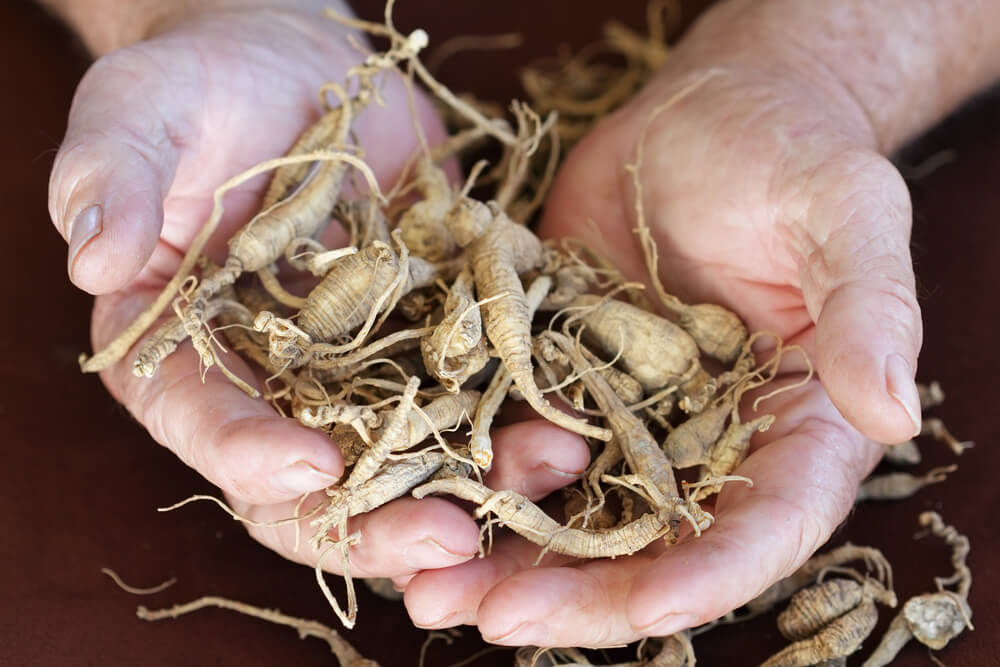
There are multiple different varieties of the ginseng plant, including American ginseng, which grows in portions of northern, eastern, and midwestern regions of North America. The ginseng plant is known as a medicinal herb.
Each plant typically grows from three to five leaves that could be whole, toothed, or lobed. The leaf shape depends wholly on the ginseng species. Ginseng’s leaves die back in the autumn and grow back in the spring.
The vast and curious history of ginseng tea dates back longer than the historical record can comprehend. Digging into the plant’s background will help illuminate the importance of ginseng culturally and medicinally.
Ginseng Tea Background
The first known written record of ginseng dates back about 2000 years. However, the plant played an important role in Asian cultures long before that time. Many records suggest that ginseng was an essential part of trade and healthcare in places like Korea and China, as far back as 4500 years.
Since its first appearance in the historical record, ginseng tea has remained popular for its incredible health benefits. Because of its natural advantages, ginseng has long dominated Asian markets. It’s a significant export product and is distributed all over the world.
American ginseng has similarly proven to be exceptionally popular. As early as the 1700s, the plant came into American markets as a stable trade good. People like Daniel Boone were known for earning fortunes from the ginseng market.
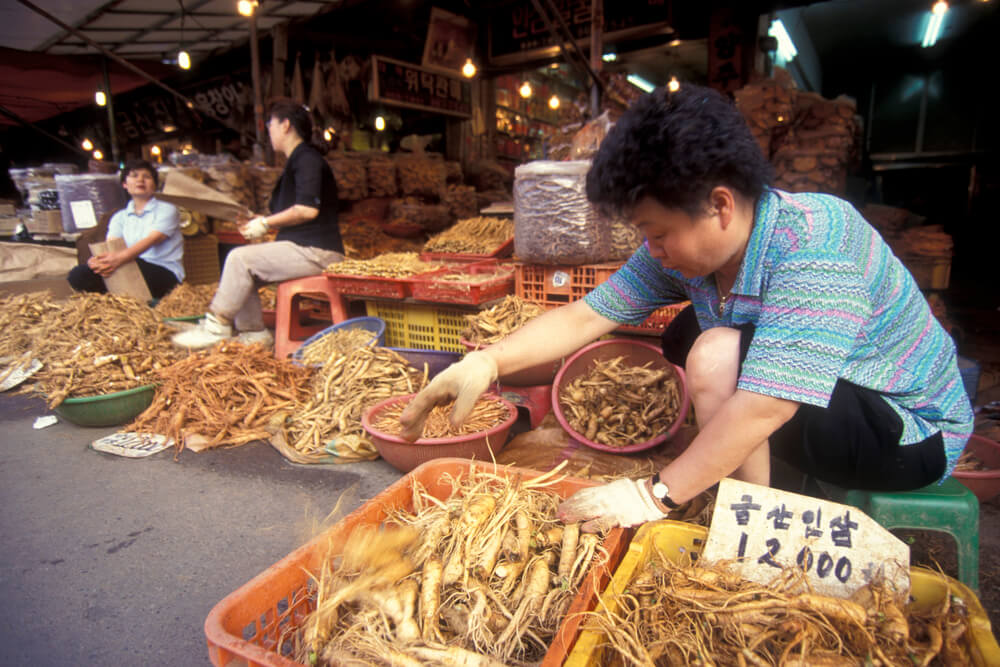
Because Asian ginseng doesn’t grow well on American soil, discovering American ginseng was a crucial step toward increasing the market’s viability. Wild ginseng is an incredibly valuable commodity, and its constant presence on world markets shows that to be the case.
If you love green tea, you might also be interested in our guide on what is EGCG in green tea.
What Is Ginseng Tea: The Details
Ginseng tea comes from the root of the ginseng plant instead of being made from the plant’s leaves. The tea is an herbal infusion made from the ground root powder of ginseng, dried Korean chestnuts, and jujubes.
The traditional tea process includes extraction through decoction, which means the plants are cooked down in the water on low heat for a few hours. This process extracts the essence of the plants into the water.
Ginseng tea also comes premade as a loose-leaf tea or in tea bags for convenience. Some of the best ginseng teas come from organically-sourced ingredients grown on farms specific to the product. Such a high level of dedication guarantees that the tea in question derives from the best sources possible.
Known to have various health benefits, ginseng tea has long been used in traditional medicine to treat everything from low energy to high blood sugar.
Ginseng Tea Benefits
Records of the health benefits of ginseng tea have been around almost as long as the plant itself. Studies in more recent years back up what ginseng enthusiasts have known all along: ginseng tea is really good for you.
The ginsenosides in the plant are believed to help increase insulin production and improve insulin resistance. Ginseng supposedly helps lower blood sugar. Because of this particular property, it could also be helpful in the treatment of diabetes.

There is a strong link between the use of ginseng and a more robust immune system. In particular, ginseng appears to be good for lung health overall. It’s also noted that ginseng might help prevent you from catching the flu.
Ginsenosides, ginseng’s active component, play a crucial role in reducing inflammation in the human body. The same features might help improve your thinking and processing skills, making you more mentally cognizant and efficient.
There are many other proven and suggested health benefits to ginseng, including:
- Rich in antioxidants
- Promotes relaxation and reduces stress
- Potent aphrodisiac
- Immune system-boosting
- Potentially reduces the risk of certain cancers
- Helps increase energy
Ginseng tea is highly effective in improving your health overall, but it also has a pleasing flavor that makes it delightful to drink. You might also be interested in our explainer on can you put wheatgrass powder in your coffee.
Ginseng Tea: The Flavor Profile
Ginseng tea can be a little bitter, but the overall flavor leans more towards a robust earthiness that is quite pleasant. You can easily sweeten it with honey, and some ginseng teas come mixed with other complementary flavors, such as peppermint. Why not give it a go!
There are numerous teas that have health benefits such as green tea.
Why not check out our article on the best green tea brands. Or looking for something to help you relax? Find out what is linden tea?
The Bottom Line
Here’s the practical takeaway after researching and testing this extensively:
Theory is great, but real-world application is messier. We’ve found that understanding the ‘why’ behind coffee science helps you troubleshoot when things go wrong—and they will. Your water, your beans, your grinder, and even humidity levels create variables that no guide can perfectly account for.
Start with the fundamentals in this article, but don’t be afraid to experiment. Some of our best cups have come from “mistakes” that turned into happy accidents. Coffee brewing rewards curiosity.