
Quick answer: For a light, traditional cup, start with Taylors of Harrogate Earl Grey. Choose Bigelow Earl Grey for a fuller everyday tea, Stash Decaf Earl Grey when you want much less caffeine, or Numi Aged Earl Grey for organic Assam and real bergamot oil.
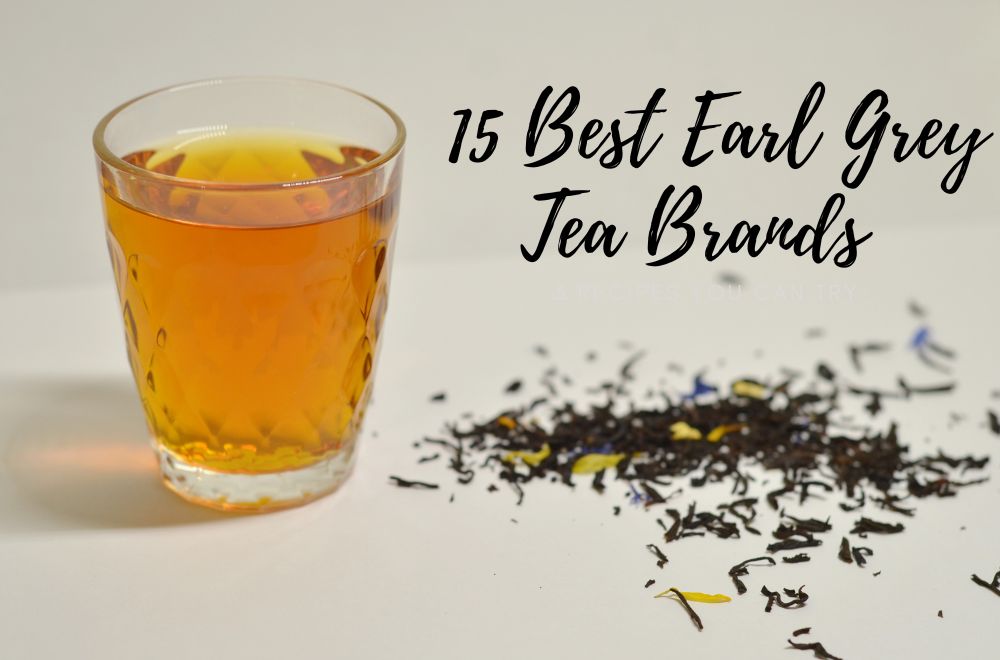
The best Earl Grey is not one universal product. Some blends are brisk enough for milk, while others are delicate and better plain. Some use natural bergamot oil; others use flavoring or bergamot extract. Loose leaf, sachets, ordinary tea bags, decaffeinated tea, and vanilla “crème” blends also produce different cups.
We rebuilt this guide around current ingredient lists and brewing directions published by the manufacturers. We do not rank a tea higher because its package is larger, and we do not quote temporary prices. Availability and formulas can change, so check the current label if an ingredient, certification, or caffeine level matters to you.
Best Earl Grey Tea Brands at a Glance
| Tea | Best for | Tea base and bergamot | Format |
|---|---|---|---|
| Taylors of Harrogate | Light traditional cup | African and Indian black tea; bergamot flavor | Tea bags |
| Bigelow | Full everyday cup | Black tea; natural oil of bergamot | Foil-wrapped tea bags |
| Stash Decaf | Lower caffeine | Decaffeinated black tea; bergamot extract | Tea bags |
| Numi Aged Earl Grey | Organic, robust tea | Organic Assam; organic bergamot oil | Tea bags or loose leaf |
| Harney & Sons Supreme | Complex premium blend | Black, oolong and white teas; natural bergamot oil | Loose leaf or sachets |
| Twinings | Familiar classic profile | Black tea; natural flavors and bergamot peel | Tea bags or loose leaf |
| Ahmad Tea | Bergamot-forward loose leaf | Black tea; higher dose of bergamot flavor | Loose leaf or tea bags |
| Art of Tea Earl Grey Crème | Vanilla variation | Organic black tea; natural flavors and bergamot oil | Loose leaf |
1. Taylors of Harrogate Earl Grey: Best Light Traditional Blend
Taylors of Harrogate Earl Grey is a sensible starting point if you want fragrant citrus without an especially heavy or tannic cup. The company describes a blend of East Kenyan tea and tea from Kerala in southern India, selected to let the bergamot aroma remain prominent.
Its light body makes it easy to drink plain or with lemon. Milk is possible, but people who use a generous splash may prefer the stronger Bigelow or Numi options below. Taylors recommends boiling water and a four-to-five-minute steep. That is a useful upper range; begin shorter if your cup becomes too brisk.
Why it stands out: It provides a recognizable, balanced Earl Grey profile without introducing vanilla, flowers, or an unusual tea base. See the current blend and preparation guidance on the Taylors product page.
2. Bigelow Earl Grey: Best Full-Bodied Everyday Tea Bag
Bigelow Earl Grey uses black tea and natural oil of bergamot. That ingredient list matters because Bigelow’s Constant Comment is the blend made with orange rind and sweet spices; those ingredients do not describe Bigelow Earl Grey.
Bigelow characterizes this tea as full-bodied, with a distinctive citrus finish. The individual foil pouches are useful when tea will sit in a desk drawer or travel bag. The company places ordinary black tea around 30–60 mg of caffeine per serving, but actual caffeine varies with the amount of tea, water, temperature, and steeping time.
Why it stands out: It is a straightforward choice for drinkers who want a darker cup and real bergamot oil in a convenient tea bag. Confirm the ingredients, caffeine range, and current pack formats on Bigelow’s official Earl Grey page.
3. Stash Decaf Earl Grey: Best Lower-Caffeine Choice
Stash Decaf Earl Grey combines decaffeinated black tea with bergamot extract. It is the clearest fit here for someone who enjoys the aroma of Earl Grey but wants much less caffeine than a conventional black-tea blend.
Decaffeinated does not necessarily mean completely caffeine-free, and Stash does not give a fixed milligram figure on the current product page. It says most caffeine has been removed. That careful wording is more useful than promising a universal percentage that may not apply to every current package or brewing method.
Why it stands out: The product has a short, easy-to-understand ingredient list and fills a genuinely different use case. Stash recommends 190–210°F water and a three-to-five-minute steep; see its current preparation and ingredient disclosure.
4. Numi Aged Earl Grey: Best Organic Robust Blend
Numi Aged Earl Grey combines Fair Trade Certified organic Assam black tea with organic bergamot oil. Numi says it ages the tea with bergamot for several weeks, producing a robust black-tea base and bright citrus aroma.
This is the most logical option on the list for a drinker who wants a stronger morning cup but still wants the tea and bergamot ingredients disclosed plainly. Numi labels it “high” caffeine, while also explaining that a brewed cup of tea varies and generally falls within a broad range. Treat the label as relative guidance, not a precise dose.
Why it stands out: The robust Assam base can handle milk better than a very delicate blend, and both the tea and bergamot oil are certified organic. Review the current ingredients, certifications, formats, and brewing directions on Numi’s official product page.
5. Harney & Sons Earl Grey Supreme: Best Complex Premium Blend
Harney & Sons Earl Grey Supreme is not simply black tea with bergamot. The blend combines Assam, Keemun, and Ceylon black teas with Formosa oolong and Chinese Silver Needle white tea, then adds natural bergamot oil from Calabria.
The oolong and white-tea components make this lighter and more aromatic than a basic strong Earl Grey, while the varied leaf sizes make the loose-leaf version visually distinctive. Harney lists approximately 40–60 mg caffeine per cup and recommends boiling water with a five-minute steep. Use that as brand-specific guidance rather than a rule for every Earl Grey.
Why it stands out: It gives experienced tea drinkers more complexity than a standard one-base blend and is available in loose leaf or sachets. The complete blend, formats, and preparation appear on the Harney & Sons product page.
6. Twinings Earl Grey: Best Familiar Classic Profile
Twinings Earl Grey is a widely recognized reference point for the category. The current U.S. ingredient list names black tea, natural flavors, and bergamot peel. That differs from brands that specifically list natural bergamot oil, so ingredient-focused shoppers should compare labels rather than treating all Earl Grey as identical.
Choose it when you want an accessible, familiar citrus-and-black-tea profile in tea bags or loose leaf. Twinings also sells Lady Grey, but that is a different, lighter blend with additional orange and lemon peel. Our guide to Lady Grey tea explains the distinction.
Why it stands out: It is an easy benchmark against which to compare more delicate, stronger, decaf, or vanilla variations. Check the current sizes and formula on the Twinings U.S. product page.
7. Ahmad Tea Earl Grey: Best Bergamot-Forward Loose Leaf
Ahmad Tea Earl Grey is a useful loose-leaf option for people who want to control the dose and favor a pronounced bergamot character. Ahmad says this blend uses tea from Malawi and Kenya and a higher dose of bergamot than its separate Aromatic Earl Grey.
The manufacturer recommends one teaspoon per person, boiling water, and five to seven minutes. Seven minutes will be too brisk for some drinkers, so start at the low end and adjust the tea amount before automatically extending the steep. A roomy basket infuser lets the loose leaves circulate better than a small tea ball.
Why it stands out: Loose leaf gives you more control, and Ahmad clearly differentiates this stronger-bergamot blend from its other Earl Grey products. See the current origin, caffeine guidance, ingredients, and preparation on the Ahmad Tea USA product page.
8. Art of Tea Earl Grey Crème: Best Vanilla Variation
Art of Tea Earl Grey Crème is deliberately not a strict classic Earl Grey. It combines organic black tea, organic cornflower, natural flavors, and bergamot oil, with a French-vanilla character that softens the citrus edge.
Choose it if you already know that you enjoy London Fog drinks, vanilla tea, or dessert-like blends. Skip it if you want to evaluate the taste of a traditional black-tea-and-bergamot combination. Art of Tea labels the caffeine level medium and recommends 206°F water for three to five minutes.
Why it stands out: It fills the flavored “crème” niche honestly instead of pretending to be the same product as a classic Earl Grey. The official product page lists the current formula and brewing directions.
How to Choose an Earl Grey
- For a plain cup: begin with Taylors, Twinings, or Bigelow.
- For milk: use a fuller Assam-based option such as Numi, or brew another black-tea blend slightly stronger.
- For much less caffeine: choose a product explicitly labeled decaffeinated, such as Stash Decaf. Decaf is not necessarily caffeine-free.
- For loose leaf: Ahmad offers a direct, bergamot-forward option; Harney Supreme offers a more complex multi-tea blend.
- For real bergamot oil: read the exact ingredient list. Bigelow, Numi, and Harney disclose oil of bergamot, while other products may list extract, flavoring, peel, or natural flavors.
- For vanilla: select a crème blend intentionally. It will taste softer and sweeter-smelling than traditional Earl Grey even without added sugar.
How to Brew Earl Grey Without Excess Bitterness
Use the manufacturer’s directions as your baseline because leaf size and bag weight differ. For most black-tea Earl Grey, freshly boiled water and a three-to-five-minute steep is a practical starting range. Remove the leaves or bag when the time is up; leaving tea in the cup continuously extracts more astringency.
If the cup tastes thin, add a little more tea next time before steeping dramatically longer. If it tastes harsh, shorten the steep or lower the water temperature slightly. Add milk only after tasting the tea plain, and use lemon without milk because citrus can curdle dairy. For a broader comparison of breakfast-strength black teas, see our updated guide to the best black tea brands.
Frequently Asked Questions
What is Earl Grey tea?
Earl Grey is tea flavored with the citrus aroma of bergamot. The base is usually black tea, but green, white, oolong, rooibos, and decaffeinated variations exist. “Bergamot” on a label may refer to oil, extract, peel, or flavoring, so compare ingredient lists.
Which Earl Grey is best with milk?
A full-bodied black-tea base generally stands up to milk better than a delicate blend. Numi’s Assam-based tea and Bigelow’s full-bodied Earl Grey are logical starting points. A vanilla crème blend also works well in a London Fog, although it is not a traditional formula.
Does Earl Grey contain caffeine?
Most Earl Grey made with black tea contains caffeine. The exact amount varies with the product, quantity of tea, water, temperature, and time. Choose a blend explicitly labeled decaffeinated when reducing caffeine, and remember that decaf may retain a small amount.
Is Lady Grey the same as Earl Grey?
No. Lady Grey is a lighter Twinings variation that includes additional citrus peel. Traditional Earl Grey focuses on tea and bergamot. Compare them in our Lady Grey explainer.
Disclosure: This page contains affiliate links. If you buy through one, Full Coffee Roast may earn a commission at no additional cost to you. Product formulas, package sizes, certifications, and availability can change; verify the current label and seller before purchasing.