
Quick answer: The most familiar added coffee flavors are vanilla, caramel, mocha, hazelnut, and cinnamon. Seasonal favorites include pumpkin spice and peppermint, while brown sugar, pistachio, lavender, coconut, maple, and fruit flavors offer more variety.
But “coffee flavor” has two meanings. A coffee bean can naturally suggest chocolate, nuts, caramel, berries, citrus, flowers, or spice without those ingredients being added. A flavored latte, creamer, syrup, or roasted bean has a flavoring ingredient added. This guide covers both so you can find the taste you actually want.
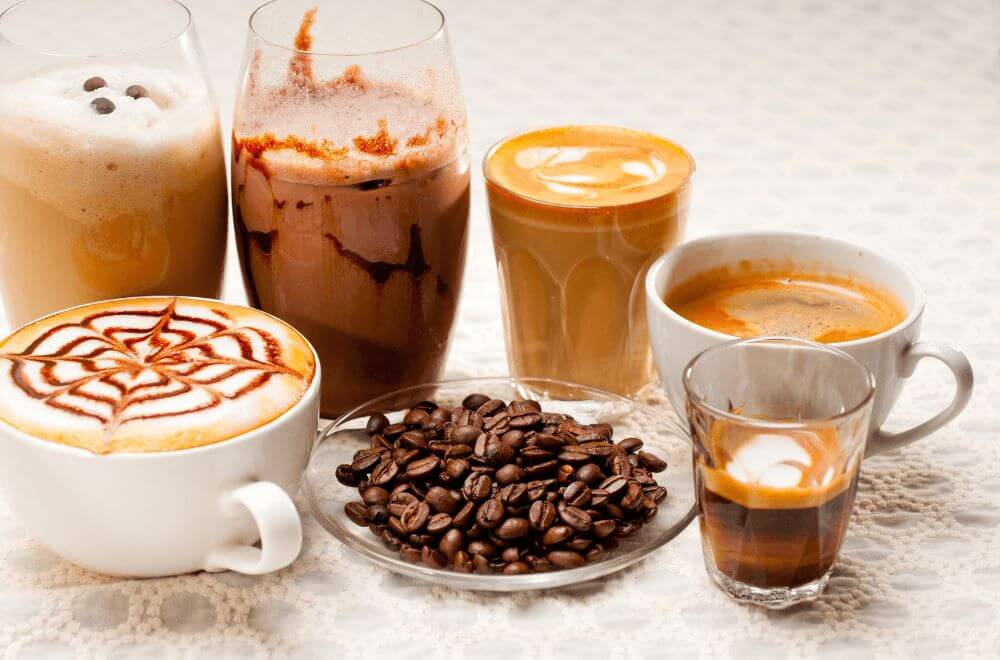
Popular coffee flavors at a glance
| Flavor | Tastes like | Pairs well with | Best format |
|---|---|---|---|
| Vanilla | Sweet, creamy, aromatic | Nearly any roast | Latte, cold brew, syrup |
| Caramel | Buttery, toasted sugar | Medium or dark roast | Macchiato, iced coffee |
| Mocha / chocolate | Cocoa, bittersweet | Espresso and milk | Mocha, flavored beans |
| Hazelnut | Nutty, praline-like | Chocolate and medium roast | Latte, creamer |
| Cinnamon | Warm, woody spice | Brown sugar, vanilla | Drip coffee, latte |
| Brown sugar | Deep molasses sweetness | Espresso, oat milk | Shaken espresso |
| Pumpkin spice | Cinnamon-led baking spice | Milk and espresso | Seasonal latte |
| Peppermint | Cool, minty | Chocolate | Seasonal mocha |
| Irish cream | Vanilla, cocoa, cream | Cold brew and dark roast | Syrup or creamer |
| Maple | Toasty, woodsy sweetness | Medium roast, cinnamon | Latte, sweetener |
| Coconut | Sweet, tropical, creamy | Chocolate and cold brew | Iced latte |
| Almond | Marzipan-like, nutty | Chocolate and cherry | Latte, extract |
| Pistachio | Buttery, mild nut | Espresso and milk | Latte |
| Lavender | Floral, herbal | Vanilla and light roast | Latte, cold foam |
| Fruit | Berry, orange, raspberry | Mocha or bright coffee | Mocha, cold foam |
This is a practical list of widely recognized café and home-coffee flavors, not a universal sales ranking. Menus, countries, and seasons differ.
Natural coffee flavors vs. added flavors
Plain brewed coffee contains hundreds of aroma compounds. Origin, coffee variety, processing, roasting, water, and brewing all shape what you perceive. When a bag says “blueberry, jasmine, and chocolate,” those are usually tasting notes—sensory comparisons—not ingredients.
The World Coffee Research Sensory Lexicon identifies 110 flavor, aroma, and texture attributes found in coffee. Its broad families include fruit, floral, sweet, nutty/cocoa, spice, roasted, and other sensory categories. The Specialty Coffee Association explains how those references are organized in its guide to using the Coffee Taster’s Flavor Wheel.
By contrast, a vanilla latte, caramel creamer, or hazelnut-flavored bean contains an added syrup, sauce, flavoring, spice, or dairy product. Check ingredient labels if sugar, allergens, or dairy matter to you.
Common natural flavor families in coffee
Chocolate and cocoa
Milk chocolate, cocoa, and dark chocolate notes are common descriptors in medium and darker roasts. They pair easily with milk and are a useful starting point for someone who dislikes sharp acidity.
Caramel, brown sugar, and molasses
Roasting develops browned-sugar aromas that may remind tasters of caramel, honey, brown sugar, or molasses. These notes are not proof that sugar was added.
Nuts
Almond, hazelnut, peanut, and other nut-like notes occur naturally in some coffees. Nutty profiles are often round and approachable, especially in medium roasts.
Fruit and citrus
Bright coffees may suggest berries, stone fruit, apple, orange, lemon, or tropical fruit. Washed coffees can taste clean and citrusy; some natural-process coffees can feel jammy or fermented. The exact result depends on origin and processing, not merely roast color.
Floral and tea-like notes
Jasmine, rose, black tea, and delicate herbal notes occur in some light-roasted specialty coffees. Adding a heavy flavored creamer can hide them, so taste these coffees black before modifying the cup.
Spice and roast
Cinnamon, clove, brown spice, smoke, tobacco, and toasted-grain descriptors can appear in coffee. Dark roasting increases roasty and smoky character but does not literally add spice.
15 popular added coffee flavors
1. Vanilla
Vanilla softens bitterness without fighting the coffee. It works in a latte, cappuccino, cold brew, drip coffee, or homemade creamer. French vanilla generally describes a richer custard-style profile rather than a different vanilla plant.
Try it: add 1–2 teaspoons of vanilla syrup to an 8-ounce drink, then adjust. Pure vanilla extract is potent; begin with only a drop or two.
2. Caramel
Caramel adds buttery toasted-sugar flavor and pairs especially well with espresso and milk. A caramel macchiato typically layers vanilla-flavored syrup with espresso, milk, and caramel sauce, so it may taste sweeter than a simple caramel latte.
Try it: stir caramel syrup into the cup before adding coffee, or drizzle a small amount of sauce over milk foam.
3. Mocha or chocolate
Mocha combines coffee and chocolate. Dark chocolate emphasizes coffee’s bitterness, while milk or white chocolate creates a sweeter dessert drink. Espresso’s concentration keeps the coffee noticeable through cocoa and milk.
Try it: whisk 1 teaspoon of unsweetened cocoa with sugar and a splash of hot coffee before adding the rest of the drink.
4. Hazelnut
Hazelnut is nutty, buttery, and sometimes praline-like. It complements naturally chocolatey coffee and combines well with vanilla or mocha.
Try it: use hazelnut syrup or creamer. People with nut allergies should verify the product; “hazelnut flavor” does not tell you whether nut-derived ingredients or shared equipment are involved. The FDA advises people with food allergies to read ingredient and allergen labels rather than infer safety from a flavor name.
5. Cinnamon
Cinnamon adds aroma and perceived sweetness without requiring much sugar. It suits drip coffee, café de olla-inspired drinks, mochas, and milk-based espresso beverages.
Try it: add a small pinch to the grounds before brewing or whisk it into syrup. Dry cinnamon floats and clumps if dumped directly onto finished coffee.
6. Brown sugar
Brown sugar brings molasses depth and has become especially familiar in iced shaken espresso and oat-milk drinks. It tastes rounder than plain white sugar.
Try it: dissolve equal weights of brown sugar and hot water for an easy refrigerator syrup, or use our homemade coffee syrup guide for eight flavor variations.
7. Pumpkin spice
Pumpkin spice usually means cinnamon, ginger, nutmeg, and clove; pumpkin itself may or may not be included. The spice blend is strongly seasonal but works year-round in coffee, chai, and hot chocolate.
Try it: mix a small pinch of pumpkin-pie spice into warm milk, then add espresso. Too much clove or nutmeg can dominate the drink. Our pumpkin spice latte recipe gives a complete ratio.
8. Peppermint
Peppermint is a holiday favorite, most often paired with mocha. Its cooling aroma cuts through chocolate and dark espresso.
Try it: use peppermint syrup sparingly. Peppermint extract is much stronger than syrup and can overpower a cup in drops. Compare three approaches in our peppermint mocha recipe.
9. Irish cream
Irish-cream flavor usually combines cream, vanilla, cocoa, and mild whiskey-like notes. Nonalcoholic syrups and creamers create the profile without adding spirits.
Try it: pair a nonalcoholic Irish-cream syrup with cold brew or a dark roast.
10. Maple
Maple tastes woodsy, toasted, and less one-dimensional than white sugar. Real maple syrup dissolves easily in hot coffee and works with cinnamon or pecan-like profiles.
Try it: begin with 1 teaspoon of pure maple syrup per 8 ounces.
11. Coconut
Coconut brings tropical sweetness and pairs with chocolate, vanilla, and cold brew. Coconut-flavored syrup and coconut milk produce different results: one primarily adds aroma; the other changes body and may separate.
Try it: combine cold brew, coconut milk, and a small amount of vanilla.
12. Almond
Almond flavor can resemble marzipan and is especially good with chocolate or cherry. Almond extract is extremely concentrated.
Try it: use a commercial syrup for easier dosing, and check allergen information carefully.
13. Pistachio
Pistachio is mild, buttery, and slightly savory. In café drinks it is usually presented as a sweet nutty sauce or syrup with espresso and milk.
Try it: pair pistachio syrup with a medium-roast espresso so neither element overwhelms the other.
14. Lavender
Lavender adds a floral, herbal aroma that works best at low concentration. It pairs with vanilla, honey, light roast, and cold foam.
Try it: use a food-grade lavender syrup. Do not add essential oil unless it is specifically labeled and directed for culinary use.
15. Fruit flavors
Raspberry, orange, cherry, and other fruit flavors are less traditional in milk coffee but work well with mocha, cold foam, espresso tonic, or naturally fruity light roasts. Fruit and dairy can clash or curdle when acidic ingredients are used carelessly.
Try it: pair raspberry syrup with mocha, or express orange peel over an espresso. Use formulated café syrups in milk drinks rather than acidic juice.
How to choose a coffee flavor
| If you like… | Start with… |
|---|---|
| Classic and subtle | Vanilla or cinnamon |
| Dessert-like drinks | Caramel, mocha, or Irish cream |
| Nutty flavors | Hazelnut, almond, or pistachio |
| Seasonal spice | Pumpkin spice, peppermint, or maple |
| Floral drinks | Lavender with vanilla |
| Refreshing iced coffee | Coconut, brown sugar, or fruit |
| Black coffee | Choose beans with chocolate, fruit, nut, or floral tasting notes |
Flavoring syrup, creamer, sauce, or flavored beans?
- Syrup: dissolves easily hot or cold; usually adds sugar and flavor.
- Sugar-free syrup: adds sweetener and flavor without sugar, but ingredients and aftertaste vary.
- Sauce: thicker and richer; chocolate and caramel sauces may contain dairy.
- Creamer: changes sweetness, flavor, and body at once.
- Spice or extract: inexpensive and customizable, but easy to overdo.
- Flavored beans: flavor is applied to roasted coffee; residue can linger in a grinder.
- Natural tasting notes: no added flavoring; select coffee by origin, process, and roast.
See our coffee creamer flavor guide if you prefer an all-in-one product, or compare ready-made options in our coffee syrup guide. For a less sweet cup, flavor the milk or foam lightly and leave the coffee itself unsweetened.
How much flavor should you add?
For an 8-ounce drink, begin with 1–2 teaspoons of syrup. For 12–16 ounces, start with 2–3 teaspoons. Taste before adding more. Café pumps are not standardized, and sauces, extracts, and powdered flavorings require different amounts.
Read the label for calories, added sugar, sugar alcohols, dairy, nuts, gluten, and serving size. Flavored beverages can contain much more sugar than plain coffee even when the coffee portion is identical.
Frequently asked questions
What is the most popular coffee flavor?
There is no single worldwide sales winner across cafés, grocery coffee, syrup, and creamer. Vanilla, caramel, mocha, and hazelnut are among the most recognizable year-round choices; cinnamon and brown sugar are also versatile.
What are the main natural flavors of coffee?
Common sensory families include chocolate/cocoa, nuts, caramelized sweetness, fruit, citrus, floral notes, spice, roasted aromas, and earthy or herbal notes. These descriptors do not necessarily mean ingredients were added.
What coffee flavor is best for beginners?
Vanilla is the easiest starting point because it complements most roast levels and works hot or iced. Mocha is a good choice for someone who already likes chocolate.
Can coffee beans taste flavored without flavoring?
Yes. Coffee naturally develops complex aromas from the fruit, fermentation, drying, roasting, and brewing. A tasting note such as blueberry or caramel is normally a comparison, not an ingredient claim.
Bottom line
Start with vanilla, caramel, mocha, hazelnut, or cinnamon for familiar flavored coffee. Choose brown sugar, pumpkin spice, peppermint, maple, coconut, pistachio, lavender, or fruit when you want something more distinctive. If you want flavor without syrup, look for whole-bean tasting notes such as chocolate, nuts, berries, citrus, or flowers and brew the coffee carefully before adding anything.