
Quick answer: The Hario ChaCha Kyusu Maru is the best all-around teapot for most loose-leaf drinkers because its large stainless-steel basket gives leaves room to expand, its heatproof glass shows infusion strength, and it comes in three practical sizes. Choose the KINTO UNITEA One Touch for easier cleanup, the Teabloom Kyoto when you specifically need a stovetop-safe glass model, or an enameled Iwachu HEAT when heat retention and cast-iron construction matter most.
Shop the top teapot picks
Best overall: see the Hario ChaCha Kyusu Maru on Amazon.
Best for easy cleanup: see the KINTO UNITEA One Touch on Amazon.
Best stovetop-safe glass option: see the Teabloom Kyoto on Amazon.
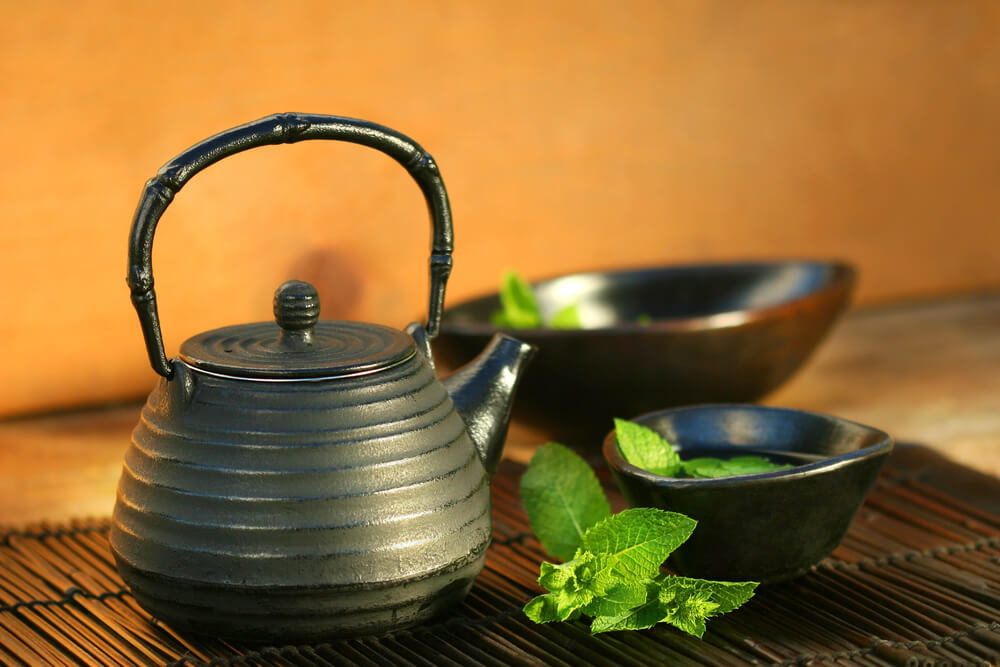
A teapot and a kettle are not interchangeable. A kettle heats water. A teapot receives hot water, holds tea leaves or bags while they steep, and pours the finished drink. Some borosilicate-glass products are explicitly rated by their manufacturers for direct stovetop heat, but most ceramic, porcelain, glass, and enameled cast-iron teapots are not. Never assume stovetop compatibility from the material alone.
This guide compares current products using manufacturer specifications, capacity, infuser design, materials, care instructions, and intended use. We did not claim laboratory testing or pretend every model was purchased for a multi-week trial. Prices and availability change, so the official product page—not an old roundup—is the final authority for current care and safety instructions.
Best Teapots at a Glance
| Teapot | Best for | Capacity | Material | Direct heat? |
|---|---|---|---|---|
| Hario ChaCha Kyusu Maru | Best overall loose-leaf pot | 300, 450, or 700 ml | Heatproof glass; stainless strainer | Not stated for stovetop use |
| KINTO UNITEA One Touch | Simple daily cleanup | 460 ml / 14 oz | Heat-resistant glass; integrated strainer lid | Tealight candle only |
| Teabloom Kyoto | Stovetop-safe glass | 12, 24, or 36 oz | Borosilicate glass; stainless infuser | Yes, per manufacturer |
| Iwachu HEAT | Cast-iron heat retention | 800 ml full capacity | Enameled cast iron; tea strainer | No |
| Adagio ingenuiTEA | Single-mug bottom dispensing | 16 oz | Tritan; stainless filter | No; add heated water |
1. Hario ChaCha Kyusu Maru: Best Teapot Overall
The Hario ChaCha Kyusu Maru combines a heatproof-glass body with a broad stainless-steel strainer. The basket is the main reason it wins: it occupies much of the pot, giving rolled oolong, sencha, whole-leaf black tea, and many herbal blends space to circulate instead of compressing them inside a tiny infuser.
Hario offers 300, 450, and 700 ml practical capacities. The smaller version suits one large mug or two small cups; the larger version is more comfortable for sharing. The transparent body also lets you watch color develop, which is useful when learning a new tea.
- Choose it if: You want one versatile pot for loose leaf and value a roomy removable basket.
- Skip it if: You need strong heat retention or a pot explicitly approved for stovetop use.
- Important limitation: “Heatproof glass” does not automatically mean stovetop-safe. Hario’s current page identifies the materials and practical capacities but does not instruct users to boil water in this model, so heat water separately.
2. KINTO UNITEA One Touch: Best for Simple Cleanup
The KINTO UNITEA One Touch 460 ml replaces a hanging basket with a strainer built into the lid. That leaves a wide, unobstructed glass chamber for leaves and reduces the number of parts you need to wash. A silicone ring holds the lid in place while pouring.
This design works best with whole or moderately sized leaves. Very fine particles may pass through a lid strainer more easily than through a fine-mesh basket. It also requires pouring the entire infusion when the tea is ready because removing the lid does not remove the leaves from the water.
- Choose it if: You want minimal parts, a comfortable glass handle, and an easy everyday pot.
- Skip it if: You routinely brew dusty rooibos, broken-leaf tea, or want to lift out the leaves at an exact time.
- Direct heat: KINTO lists the pot as microwave- and dishwasher-safe and allows direct heat from a tealight candle only. It is not a stovetop kettle.
3. Teabloom Kyoto: Best Stovetop-Safe Glass Teapot
The Teabloom Kyoto is the exception to the usual “heat water separately” rule because Teabloom explicitly rates its borosilicate-glass body for stovetop use. It comes in 12-, 24-, and 36-ounce sizes and includes a large removable stainless-steel infuser.
The clear body also works for flowering tea after you remove the metal basket. The manufacturer describes the glass and infuser as dishwasher-safe. Do not microwave the metal components, and follow Teabloom’s current heating directions rather than general advice for unrelated glassware.
- Choose it if: You specifically want one verified vessel for heating water and steeping tea.
- Skip it if: You prefer a lighter single-mug brewer or frequently handle glass roughly.
- Related review: Our separate Teabloom glass teapot review covers the broader ownership tradeoffs.
4. Iwachu HEAT: Best Cast-Iron Teapot
The Iwachu HEAT is made in Japan from cast iron, with enamel on the interior and back of the lid. It includes a tea strainer, weighs about 1.8 kg, and has an 800 ml full capacity. The weight and thermal mass make it the strongest fit here for drinkers who prioritize keeping the serving pot warm.
An enameled cast-iron teapot is not the same as an uncoated iron kettle. Iwachu explicitly states that the HEAT cannot be used over gas, direct flame, induction, or another heat source. Pour separately heated water into it. Do not scrape or season the enamel as though it were bare cookware.
- Choose it if: You value heat retention, Japanese manufacture, and substantial construction.
- Skip it if: Weight, low maintenance, or inexpensive replacement parts matter most.
- Safety distinction: Some Iwachu products are explicitly sold as dual kettle-and-teapot vessels, but this enameled HEAT model is not one of them.
5. Adagio ingenuiTEA: Best Bottom-Dispensing Teapot for One Mug
The Adagio ingenuiTEA is a 16-ounce bottom-dispensing brewer. Add loose tea and hot water, steep, then place the brewer on a compatible mug. The valve opens and filtered tea drains downward while the leaves remain in the chamber.
This is closer to a personal tea maker than a traditional table-service pot, but it solves a real problem for office and single-mug brewing. Adagio identifies the body as hot-temperature Tritan and the filter as stainless steel. The company calls it dishwasher-safe and recommends mugs narrower than about 3.5 inches so the release mechanism engages normally.
- Choose it if: You brew one mug, want leaves contained, and like the bottom-release mechanism.
- Skip it if: You avoid plastic, want formal table service, or need to serve several cups at once.
- Cleaning note: Let soapy water flow through the valve and follow Adagio’s current instructions; flavored teas can leave aromas in seals and filters.
How to Choose the Right Teapot
Start with actual capacity, not “cups”
Manufacturers do not use one universal cup size. A “four-cup” pot may mean four small teacups, not four 8-ounce mugs. Compare milliliters or fluid ounces with what you actually drink. Our teapot size guide converts common capacities and serving patterns.
Give loose leaves room
A large basket or open chamber supports more even circulation than a cramped decorative tea ball. Fine rooibos and broken leaves need smaller mesh openings, while rolled oolong needs more physical room to unfurl. Removable baskets also stop extraction cleanly when lifted out.
Match material to your priorities
- Glass: Neutral flavor and visible infusion, but breakable and usually moderate at heat retention.
- Porcelain or glazed ceramic: Flavor-neutral and attractive, with many shapes; check thermal-shock and dishwasher guidance for the exact product.
- Enameled cast iron: Heavy and slow to cool, but generally not for direct flame unless the manufacturer explicitly says otherwise.
- Plastic personal brewers: Lightweight and convenient, but not ideal for shoppers who avoid plastic or want traditional service.
Treat stovetop safety as a product-level claim
Do not put a teapot over flame or on an electric or induction burner unless the maker approves the exact model for that heat source. “Borosilicate,” “heat-resistant,” “stainless,” and “cast iron” describe materials; they do not prove that every joint, coating, handle, lid, or base is designed for a burner.
Frequently Asked Questions
What is the best teapot for loose-leaf tea?
The Hario ChaCha Kyusu Maru is the strongest general-purpose choice because its broad removable stainless basket gives leaves space and its three sizes cover solo or shared brewing. Very fine tea may require an even finer filter.
Can I boil water in a teapot?
Usually not. Heat water in a kettle unless the teapot manufacturer explicitly approves that exact model and heat source. The Teabloom Kyoto is listed as stovetop-friendly; the Hario page does not make that claim, KINTO permits only tealight heat, and the enameled Iwachu HEAT explicitly prohibits direct heat.
Does a cast-iron teapot go on the stove?
Not automatically. Many decorative Japanese-style cast-iron teapots have enamel interiors and are intended only for steeping and serving. A bare iron kettle designed for boiling is a different product. Follow the model-specific heat-source icons and written instructions.
How should I clean a teapot?
Empty leaves promptly, rinse, and follow the manufacturer’s instructions. Dishwasher approval varies. Avoid abrasive pads on glass and enamel, and do not combine vinegar and baking soda as a universal overnight treatment: acids, alkalis, coatings, seals, and metal finishes respond differently. Descale only when necessary with a method approved for the material.
Product specifications and availability were checked against the manufacturers in July 2026. Confirm the current product page and care label before purchase or direct-heat use.