
Quick answer: You can buy crystal boba from bubble-tea ingredient brands, restaurant-supply retailers, large online marketplaces, and some Asian supermarkets. For the widest choice, start with a specialist supplier such as Bossen; for a small home order, compare the package size, flavor, ingredient list, shipping date, and seller before buying through a marketplace.
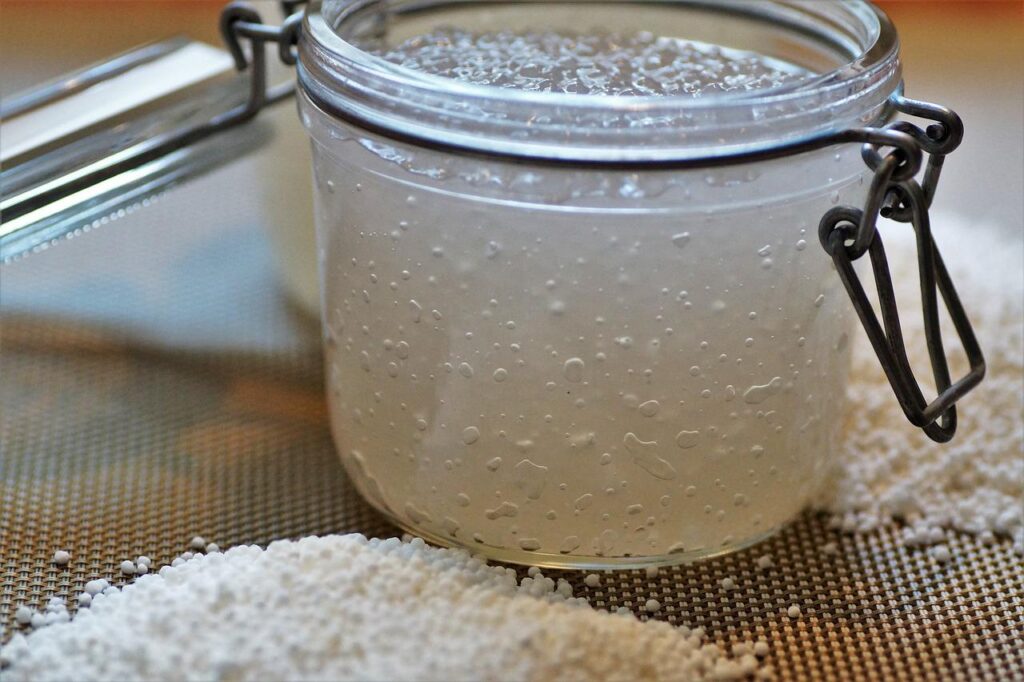
Crystal boba is easy to confuse with tapioca pearls and popping boba, yet the three toppings are made and used differently. This guide explains what the U.S. crystal boba market actually includes, where home buyers and cafés can shop, and how to avoid ordering the wrong type of pearl.
What is crystal boba?
Crystal boba—also called crystal pearls, white pearls, or agar boba—is a translucent, ready-to-serve topping with a springy, jelly-like bite. It is commonly made with a gelling ingredient such as konjac or agar and packed in flavored syrup. Recipes vary by manufacturer, so the package label is the reliable place to check ingredients and allergens.
Unlike dry tapioca pearls, most packaged crystal boba does not need to be boiled. Drain or portion it according to the manufacturer’s directions, then add it to milk tea, fruit tea, shaved ice, frozen yogurt, or another dessert. If you are comparing toppings, our guide to the black balls in bubble tea explains traditional tapioca pearls.
The U.S. crystal boba market: what the term includes
There is no single authoritative public figure for the U.S. crystal-boba market. Most commercial research groups crystal boba into broader categories such as bubble-tea toppings, jellies, or pearls. A precise number presented without a clear definition can therefore be misleading: it may include tapioca, popping pearls, jellies, or the entire bubble-tea category.
For shoppers and café operators, the useful way to understand this market is by channel and package format:
- Specialist bubble-tea suppliers offer the deepest flavor selection and food-service tubs.
- Restaurant-supply retailers are useful for case quantities and recurring café orders.
- Online marketplaces make small orders convenient, but seller quality and freshness can vary.
- Asian supermarkets and local boba suppliers may offer lower shipping costs and let you inspect the package before buying.
Demand is supported by the topping’s visual appeal, ready-to-serve format, and use beyond milk tea. Crystal pearls can work in fruit drinks, frozen desserts, and shaved ice, so suppliers sell them to both beverage shops and dessert businesses. Flavor choice also matters: original, brown sugar, fruit, and taro-style versions do not taste interchangeable.
Where to buy crystal boba
1. A specialist brand store
A specialist store is the best starting point when you want clear product specifications or several flavors from one manufacturer. Bossen sells food-service bubble-tea ingredients and publishes individual listings such as its taro crystal boba. Check the net weight, serving directions, ingredients, and storage instructions on the current listing before ordering.
2. Amazon for smaller home orders
Amazon is convenient when you want one container rather than a restaurant case. Compare the brand and seller instead of choosing on star rating alone. The listing should explicitly say crystal boba, crystal pearls, agar boba, or konjac pearls. Bossen original crystal boba is available through Amazon; confirm the seller, package size, and delivery estimate shown to you.
3. Fanale and other bubble-tea ingredient suppliers
Bubble-tea ingredient companies are useful when you want flavors designed for café drinks. Fanale mango crystal boba is one example sold online. Treat flavor as part of the recipe: mango pearls suit fruit tea and shaved ice better than every milk-tea profile.
4. Local Asian supermarkets and restaurant suppliers
Local shopping can be the best value because a heavy tub of syrup is expensive to ship. Search for Asian supermarkets, bubble-tea wholesalers, or restaurant-supply stores in your area, then call before driving over. Ask specifically for ready-to-serve crystal or konjac boba; a store employee may otherwise point you to dry tapioca pearls or juice-filled popping boba.
Crystal boba vs. tapioca pearls vs. popping boba
| Topping | Typical texture | Preparation | Best for |
|---|---|---|---|
| Crystal boba | Springy and jelly-like | Usually ready to serve | Fruit tea, milk tea, shaved ice |
| Tapioca pearls | Dense and chewy | Usually boiled, sweetened, and served fresh | Classic milk tea |
| Popping boba | Thin shell with liquid center | Ready to serve | Fruit drinks and frozen desserts |
Popping boba is not a substitute for crystal boba: it bursts rather than chewing like a jelly pearl. That distinction matters when shopping because marketplace titles sometimes use “boba” broadly. For more drink ideas after you choose a topping, see our bubble-tea flavor combinations.
How to choose the right package
- Verify the product type. Look for crystal, agar, konjac, or white pearls—not popping pearls.
- Read the ingredients. Formulas and sweeteners differ, and the label is more dependable than a generic product description.
- Match the package to your use. A large food-service tub can be economical for a café but wasteful for an occasional home drink.
- Check storage instructions. Follow the unopened and after-opening directions printed by the manufacturer.
- Inspect the seller and date. On a marketplace, prefer a traceable seller, intact packaging, and a realistic delivery window.
- Choose a compatible flavor. Original pearls are flexible; fruit and taro versions make a stronger recipe statement.
How much should you buy?
Start with the smallest practical package if you have never tried a brand. Crystal boba is packed with liquid, so the container’s total weight is not the same as the drained amount you will spoon into drinks. Estimate how many drinks you actually make, use the serving information on the label, and account for the manufacturer’s after-opening storage window.
Cafés should calculate cost per finished serving rather than cost per tub. Include freight, syrup or drained weight, expected waste, and the portion used in each cup. A cheaper case is not a saving if the flavor does not fit the menu or the opened product cannot be used on schedule.
Frequently asked questions
Can you buy crystal boba in the United States?
Yes. U.S. shoppers can find it through specialist bubble-tea suppliers, restaurant distributors, Amazon sellers, and some Asian supermarkets. Availability varies by flavor and package size.
Does crystal boba need to be cooked?
Most commercial crystal boba is sold ready to serve in syrup, but follow the directions on your specific container. Do not assume it uses the boiling method required for dry tapioca pearls.
Is crystal boba the same as agar boba?
The names are often used interchangeably by sellers, although formulas can use different gelling ingredients. Check the ingredient list when a dietary or texture preference matters.
How many calories are in crystal boba?
The answer depends on the brand, syrup, flavor, and portion. Use the nutrition panel on the product you buy; our separate guide explains crystal boba calories in more detail.
Bottom line
For the most dependable purchase, buy crystal boba from a specialist supplier or a clearly identified brand listing. Confirm that it is ready-to-serve crystal boba—not tapioca or popping pearls—then choose a package size and flavor that match how you will use it. Market-size claims vary because researchers define the category differently, but the U.S. retail channels are straightforward: specialist brands, restaurant suppliers, marketplaces, and local Asian groceries.